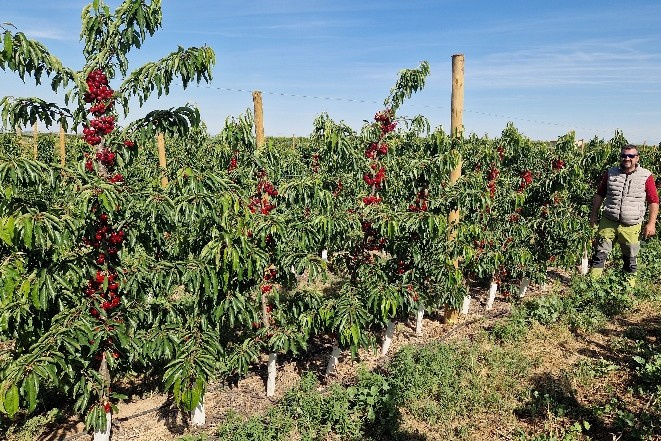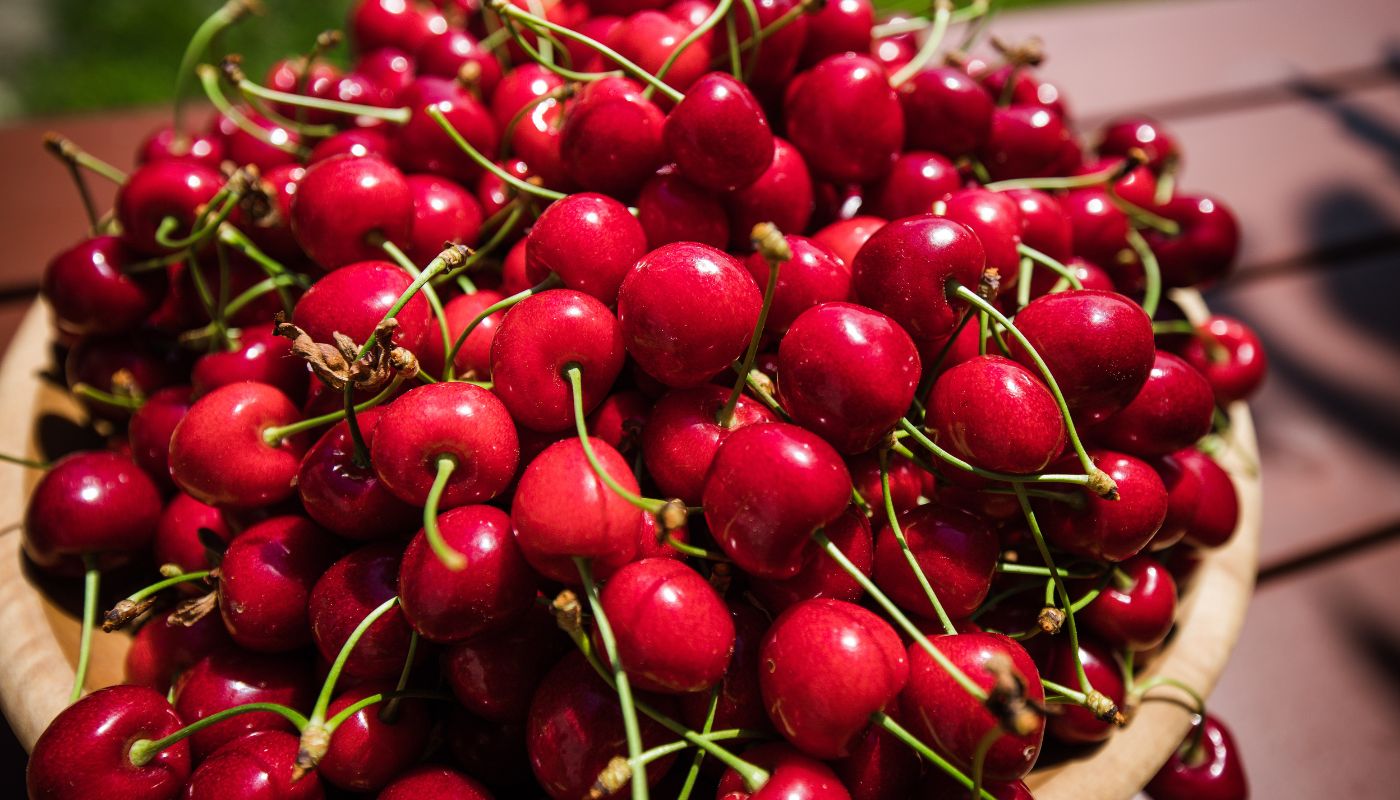


The shipment of cherries from the Maule region to South Korea via Puerto Coronel marks a turning point that goes beyond the specific volume: it sparks a discussion about how to safeguard the export chain during peak season. The operation, highlighted by ProChile, aims to decentralize exports that have historically been channeled through terminals in the central region, opening a concrete alternative in the Biobío Region to improve connectivity and reduce exposure to port congestion.
The regional director of ProChile in Maule, Esteban Díaz-Muñoz, highlighted that fresh fruit from the Maule region is primarily shipped through ports in the Valparaíso Region and that, therefore, adding terminals in the Biobío Region represents an opportunity to strengthen regional logistics connectivity. In an industry where time and temperature are critical, opening a new export route not only distributes cargo but also expands response options when the system is under strain.
Specifically, in this route to South Korea, the shipments were from “Exportadora El Cisne,” located in the municipality of Teno. The company has been operating in the South Korean market since 2017, but this season was the first time it shipped via Puerto Coronel, an experience it described as positive and consistent with a strategy of diversifying both markets and logistics routes.
At the terminal level, the aim is to consolidate fruit cargo from the south-central region and become an alternative for exporters seeking efficiency and continuity. In a context where cherries are a product with high logistical sensitivity, the development of complementary routes appears as a “safety” for competitiveness, particularly when the commercial window narrows and the cost of a delay multiplies at the destination.
Source: Frutas de Chile