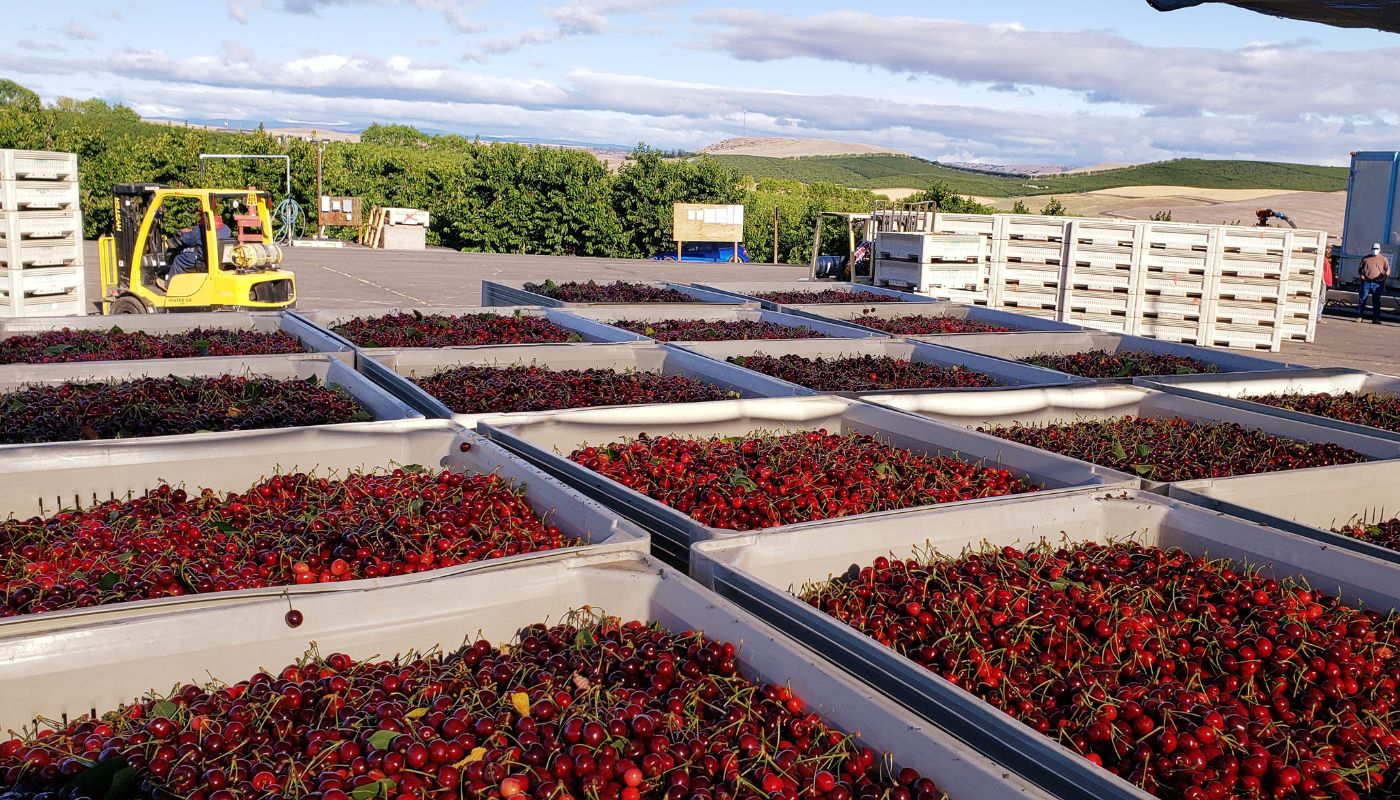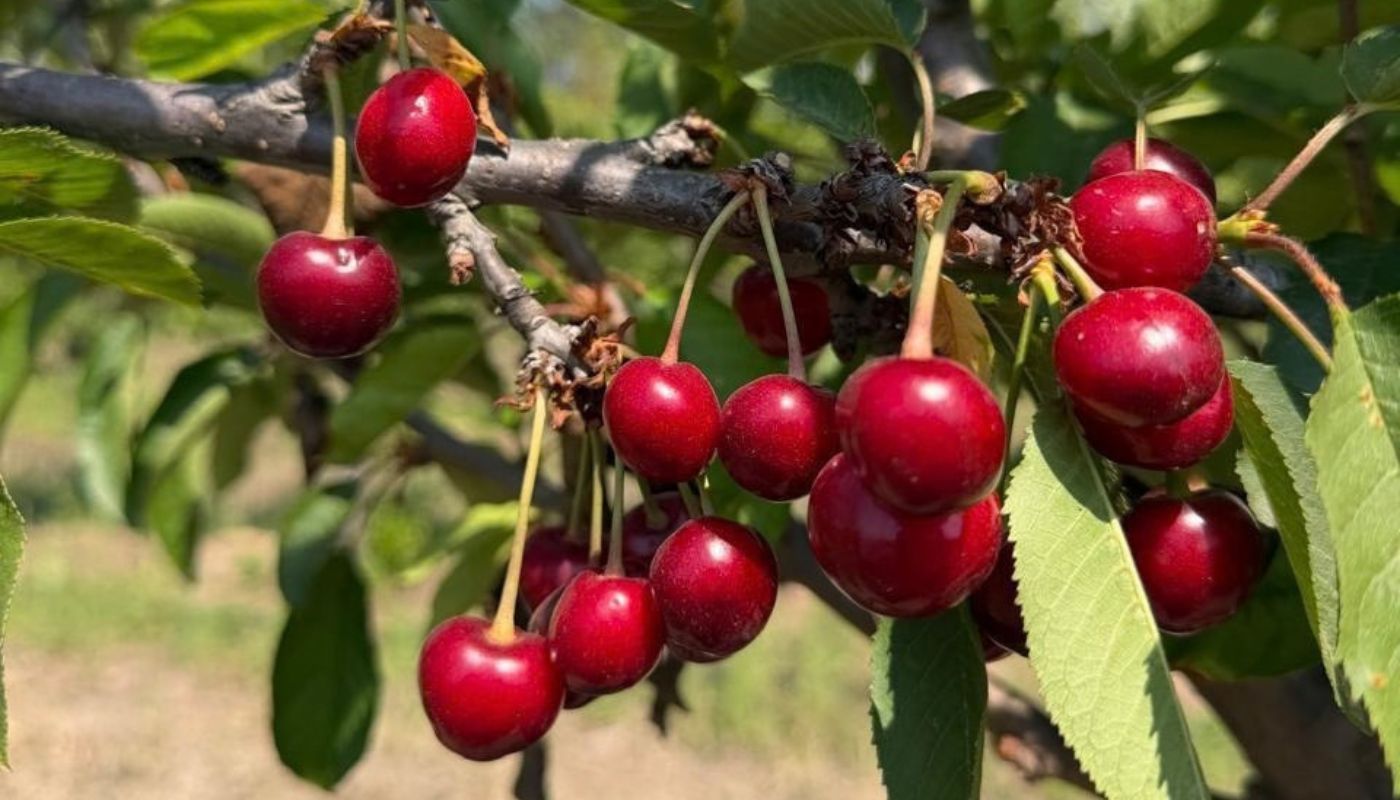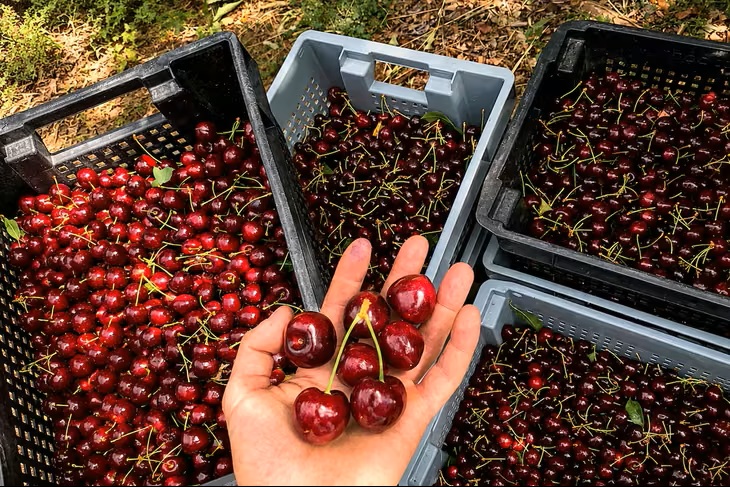

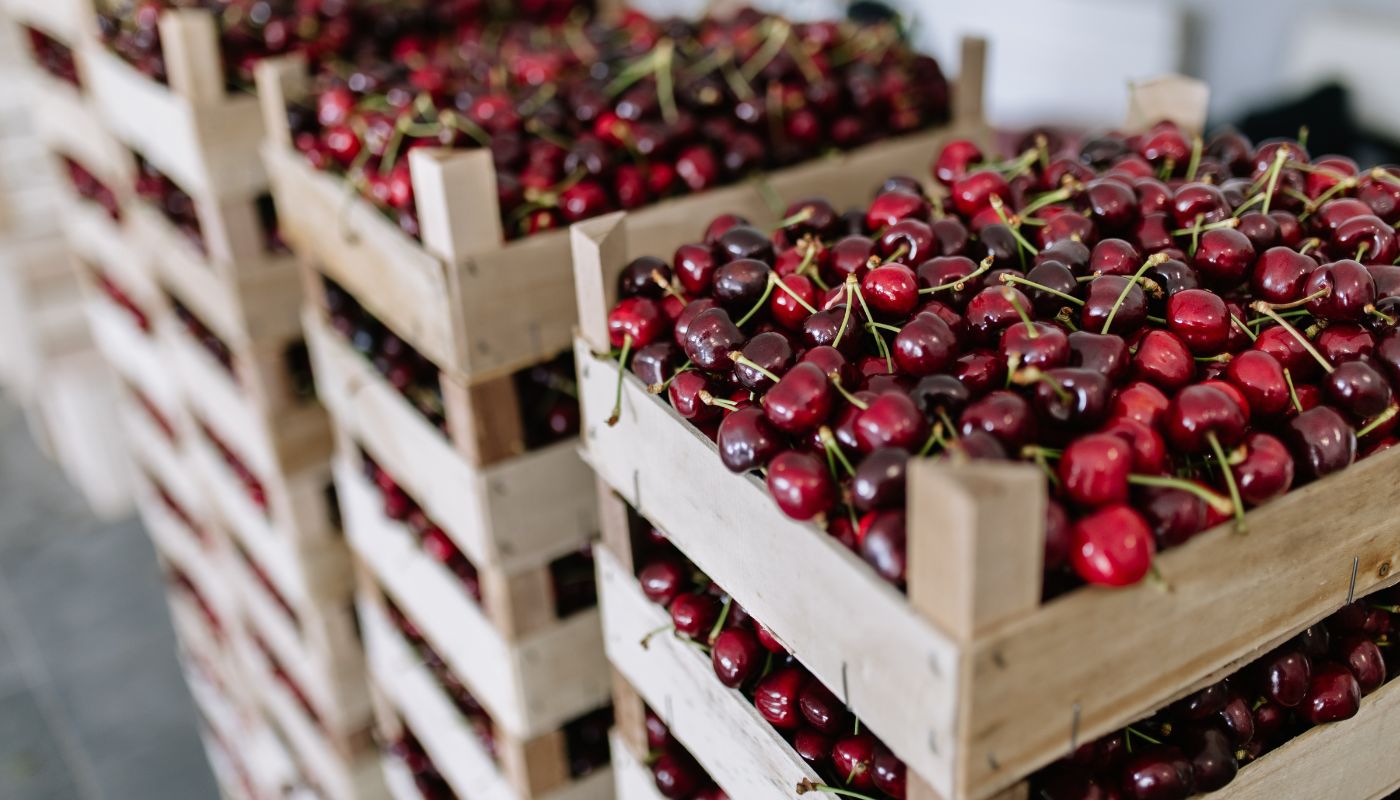
The value of these purchases increased 29-fold year on year. Imports of cherries and sour cherries from Georgia are irregular: in 2026, shipments to Russia were recorded only once so far, in June. According to the statistics, Russia started importing these products from Georgia in 2014, with supplies mainly taking place seasonally from May to July.
Russia also increased imports of Georgian peaches and nectarines to $579,700 in June from $3,100 in May.
At the same time, Georgia’s peach sector is facing a difficult season in 2026. Late spring weather, prolonged rainfall, and heavy hailstorms damaged orchards, reducing both crop volume and fruit quality.
Vakhtang Bezhitashvili, head of the Fruit and Vegetable Exporters Association, said damaged fruit does not meet export standards, creating sales difficulties for growers.
He said sales in Russia, the main export market for Georgian peaches, have fallen. According to him, shipments are affected by logistics problems, higher transport costs, and lower consumer purchasing power. He added that while Moscow had previously been the main market, sales are now concentrated more in North Caucasus cities and nearby regions, where delivery costs are lower.
According to the National Statistics Office of Georgia, exports of peaches and nectarines in January-June 2026 fell by 74.5% compared with the same period a year earlier.
In the first half of 2025, Georgia exported 3,151 tonnes of peaches and nectarines worth $3.8 million. In the same period of 2026, exports fell to 802 tonnes worth $972,800.
Russia saw the sharpest decline. In January-June 2026, Georgia exported 433 tonnes of peaches and nectarines to Russia worth $582,000. Armenia was the second-largest market, with 367 tonnes worth $390,000.
Bezhitashvili said Georgia had previously managed to supply peaches to the European market, but exporters were unable to maintain stable volumes and the required quality. He said diversification of export destinations remains necessary for Georgian producers.