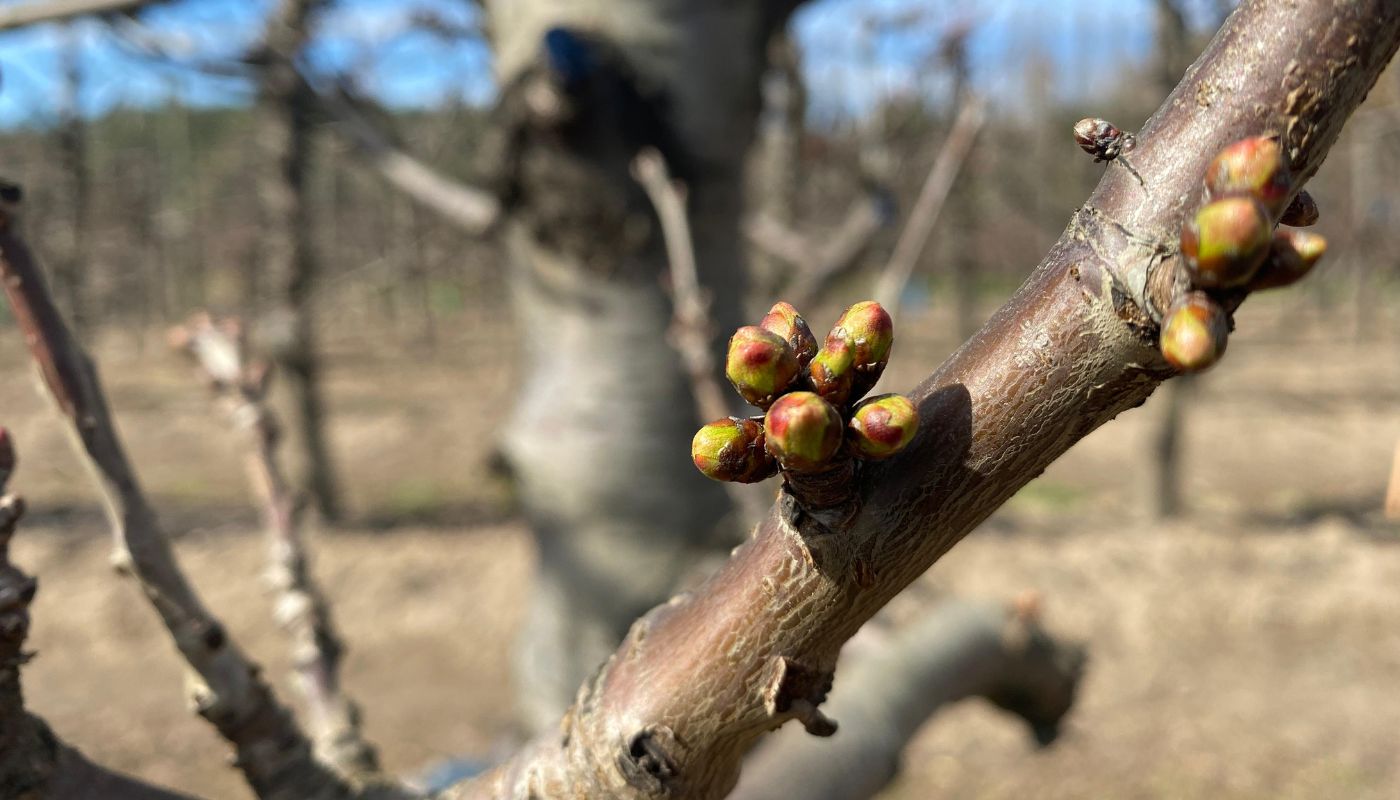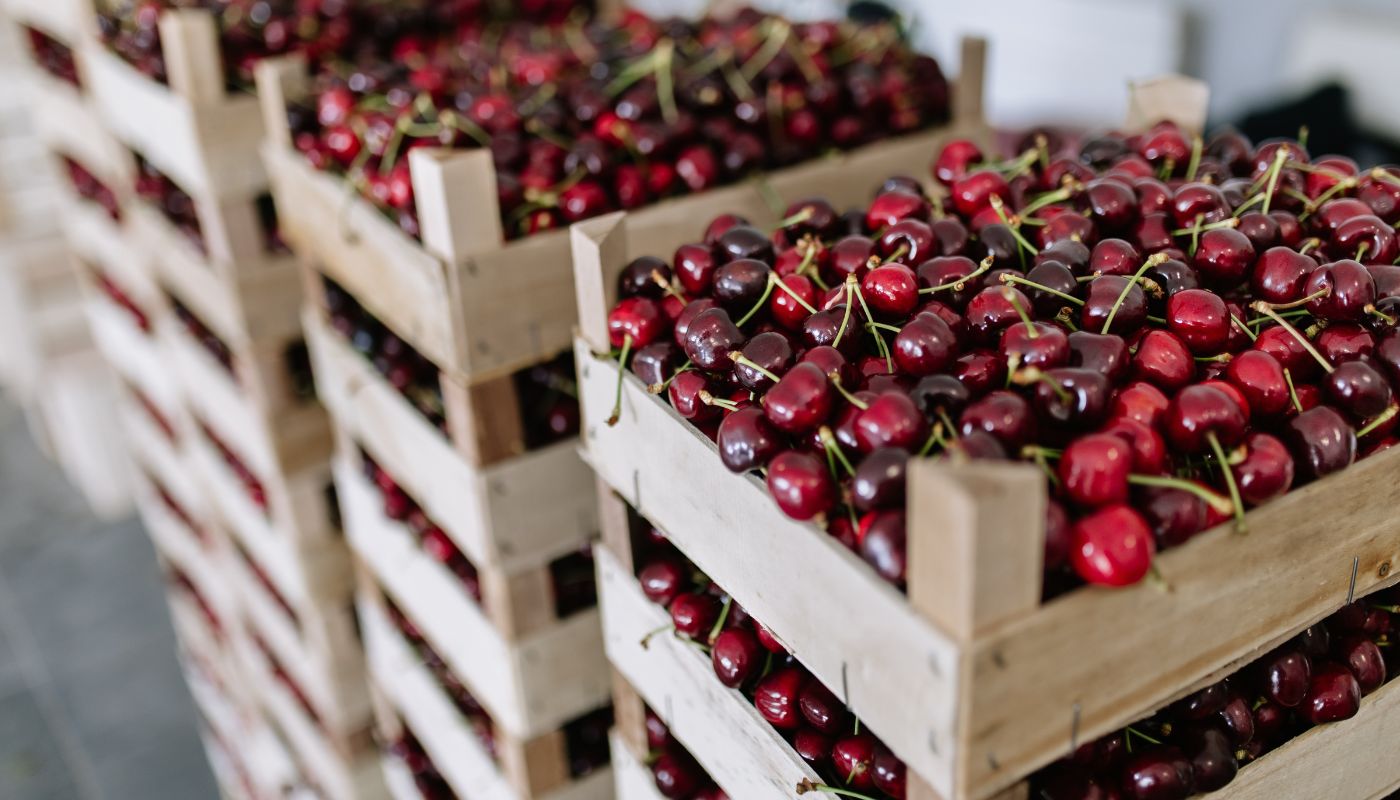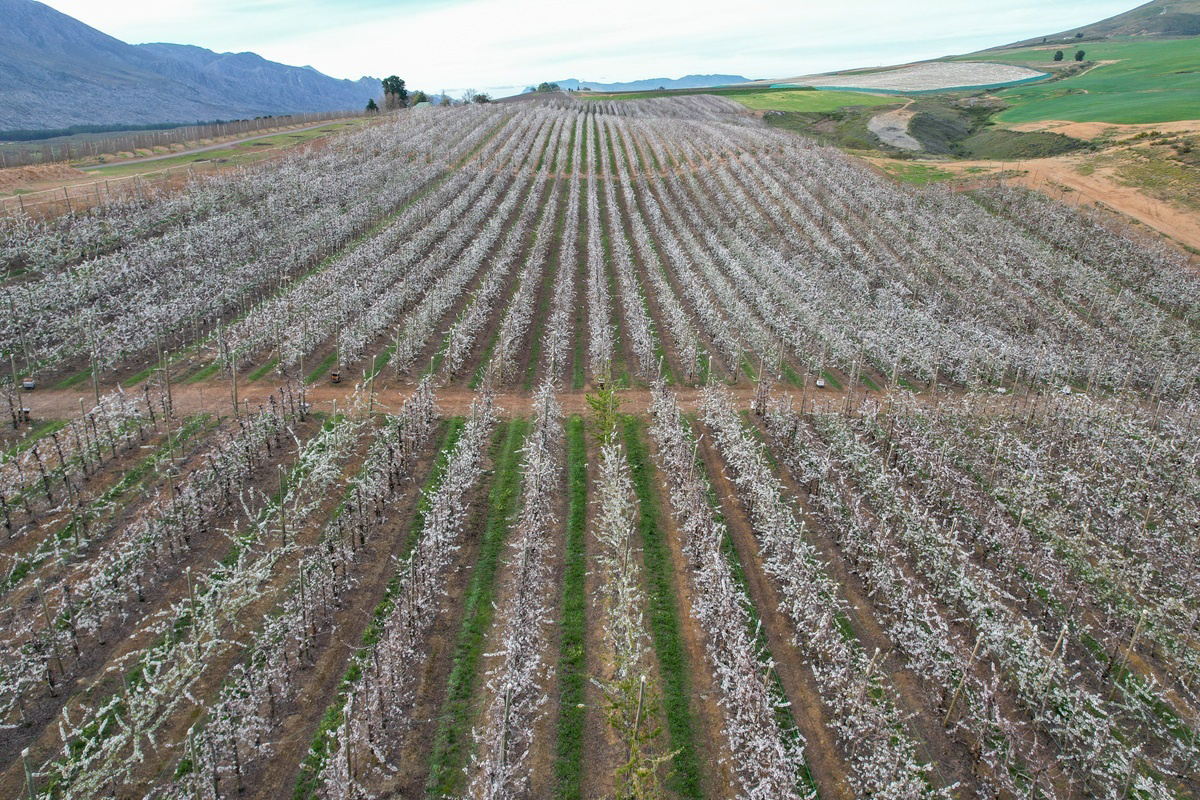


Gert Eastes, CEO of Ridge Cherry Farms, has spent twelve years preparing his 125-hectare operation near Rustenburg for exports to China. “We’ve been asking for this for ages,” says Eastes. He aims to increase his production volume from the current 600 tons to 2,000 tons, and he plans to quadruple his seasonal workforce—currently around 300 employees—to meet Chinese demand. “If we manage to ship 1,000 tons to China in October, our business model will change,” he notes.
The South African strategy hinges on a timing advantage. Karien Bezuidenhout, head of alternative crops at Hortgro—the South African association for deciduous fruit producers—explains that reaching the market in September or October allows South African cherries to arrive ahead of those from Chile. “The Chinese market is enormous. Furthermore, South African cherries have an excellent flavor profile,” she adds.
China consumes nearly 600,000 tons of cherries annually, with Chile and Argentina as its primary suppliers. South Africa currently accounts for just 0.2% of the global volume.
The pivot toward China is also a response to uncertainty regarding South Africa’s continued access to the African Growth and Opportunity Act (AGOA). Willie Aucamp, a South African official in the agricultural sector, emphasizes that this move into the Chinese market is not intended as a snub to the United States.
“We cannot sit idly by and be caught off guard if the AGOA is not renewed. We must go out and open up new markets,” he states. Before South Africa can ship its first consignment, China must certify compliance with all its phytosanitary requirements—an authorization that Aucamp expects to secure before the end of the year.
Source: Fresh Plaza