
Producers estimate that the 2026 harvest will be 30% lower than in an average year, as a result of the damage caused by these weather events.
Mendoza has approximately 730 hectares of cherry orchards, concentrated mainly in the Uco Valley, particularly in Tupungato. Typically, early harvesting begins in November, but weather conditions this season have delayed the start of the harvest and created uncertainty regarding the quality and volume of available fruit.
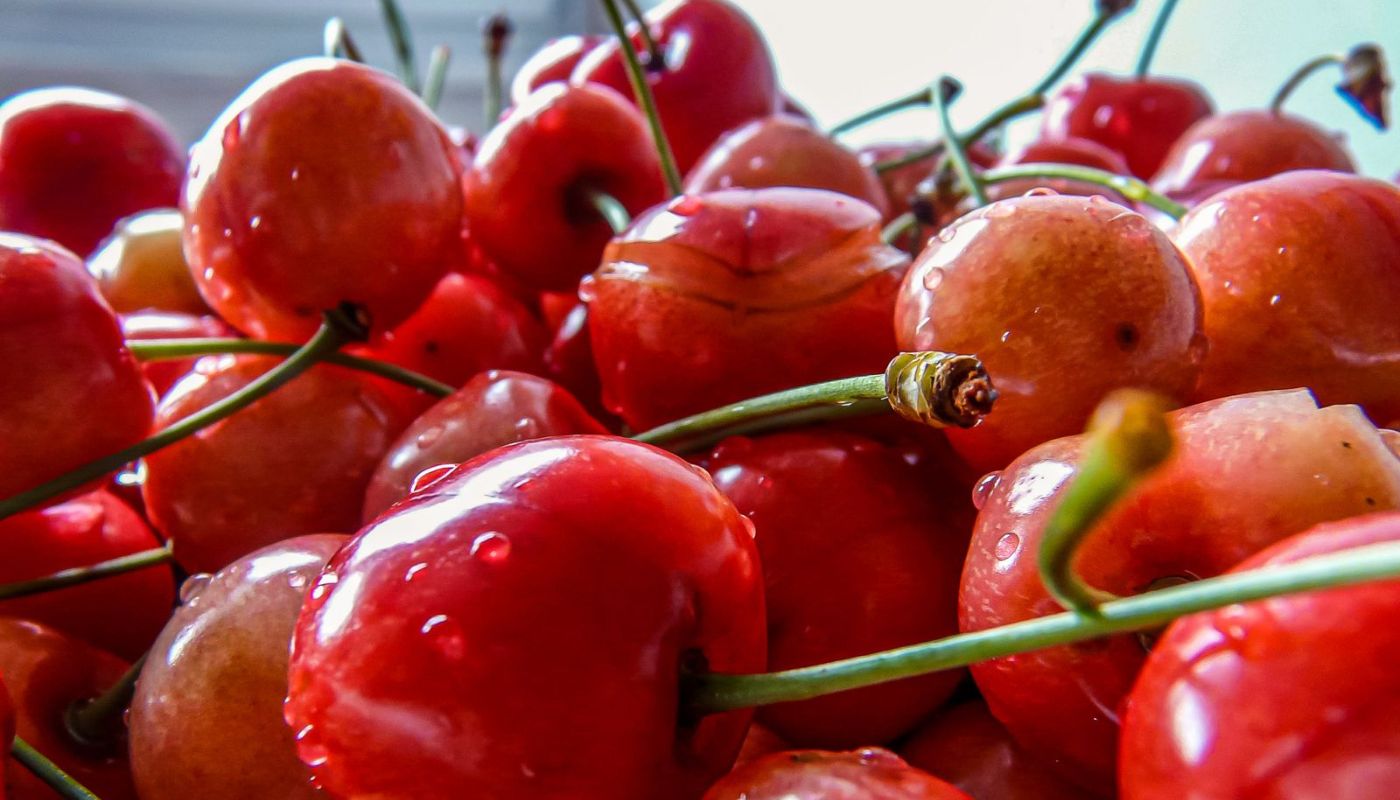
Late frosts have caused significant losses, especially in areas north of the Mendoza River. Meanwhile, continuous rainfall has led to cherry splitting and increased the risk of mold and fungal growth. A lack of sunshine is also slowing down fruit development, which may affect both size and flavor.
Producers also point to a lack of statistics and harvest forecasts following the closure of the Institute for Rural Development (IDR)—an organization that previously provided technical information and guidance to the sector. Currently, they view agricultural insurance as their primary form of public support in the face of weather-related damage.
Measures to mitigate losses include calcium treatments to improve fruit firmness, the use of helicopters to remove water from the trees, and various protective technologies. However, these solutions significantly increase production costs.
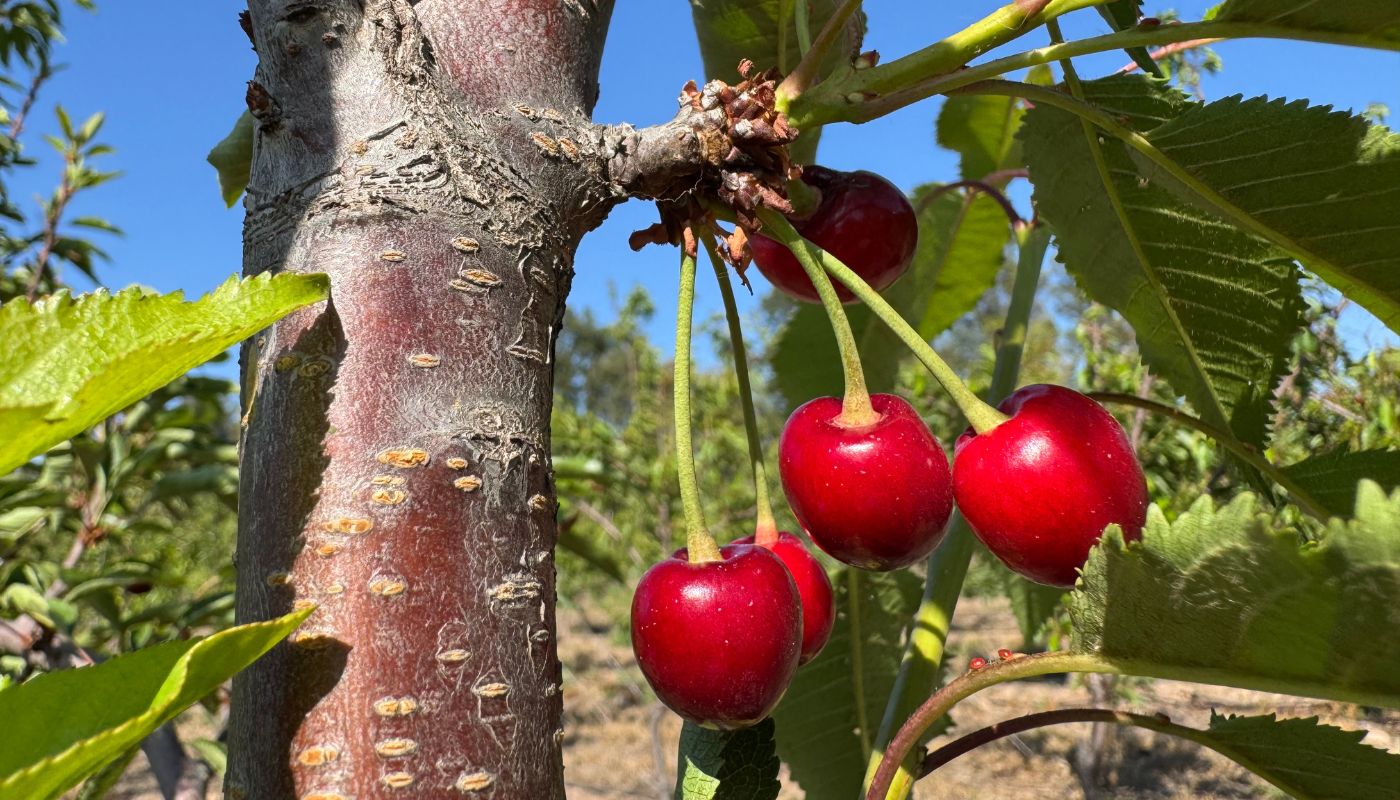
While waiting for a few days of sunshine to allow the cherries to fully develop and ripen, the sector remains focused on weather developments before beginning the harvest.
Source: Fresh Plaza