
Post-harvest management determines what proportion of the harvest reaches buyers in a marketable condition. According to the latest global estimate from the FAO, 13.3% of food is lost between harvest and the retail store, with fruits and vegetables accounting for the highest losses at 25.4%. Gray mold (Botrytis) can continue to develop after harvest, contributing to the deterioration of the produce.
Post-harvest management
Penn State Extension recommends harvesting berries during the coolest hours of the day—when the fruit is dry—cooling the produce rapidly, keeping it shaded, maintaining the cold chain, and removing any damaged or decaying fruit during the sorting process. For raspberries, every hour of delay before cooling can reduce shelf life by one day.
Packaging can serve as an additional tool for managing post-harvest quality.
Active packaging technology
Fresh Inset has developed Vidre+®, an active packaging technology designed to extend shelf life without the need for additional equipment. It can be applied to existing packaging formats, including clamshells, trays, and flow-pack bags.
At the farm level, Vidre+ can be applied as a sticker inside standard packaging, while larger facilities can integrate it directly into their packaging lines. These stickers or printed elements can also feature the producer’s logo.
After harvest, produce continues to respire and lose moisture, while ethylene influences the ripening and softening of many crops. Vidre+ uses a patented release system that gradually dispenses an active complex within the packaging to modulate the response to ethylene, thereby slowing down softening and dehydration.
According to Fresh Inset, the technology holds GRAS (Generally Recognized As Safe) status from the U.S. FDA and complies with food safety regulations in both the EU and the United States.
Trial Results
Comparative trials between Vidre+ and conventional packaging showed differences across several crops. Blueberries maintained their quality for 45 days, compared to approximately 25 days for the control group—an extension of the marketing period by 20 days.
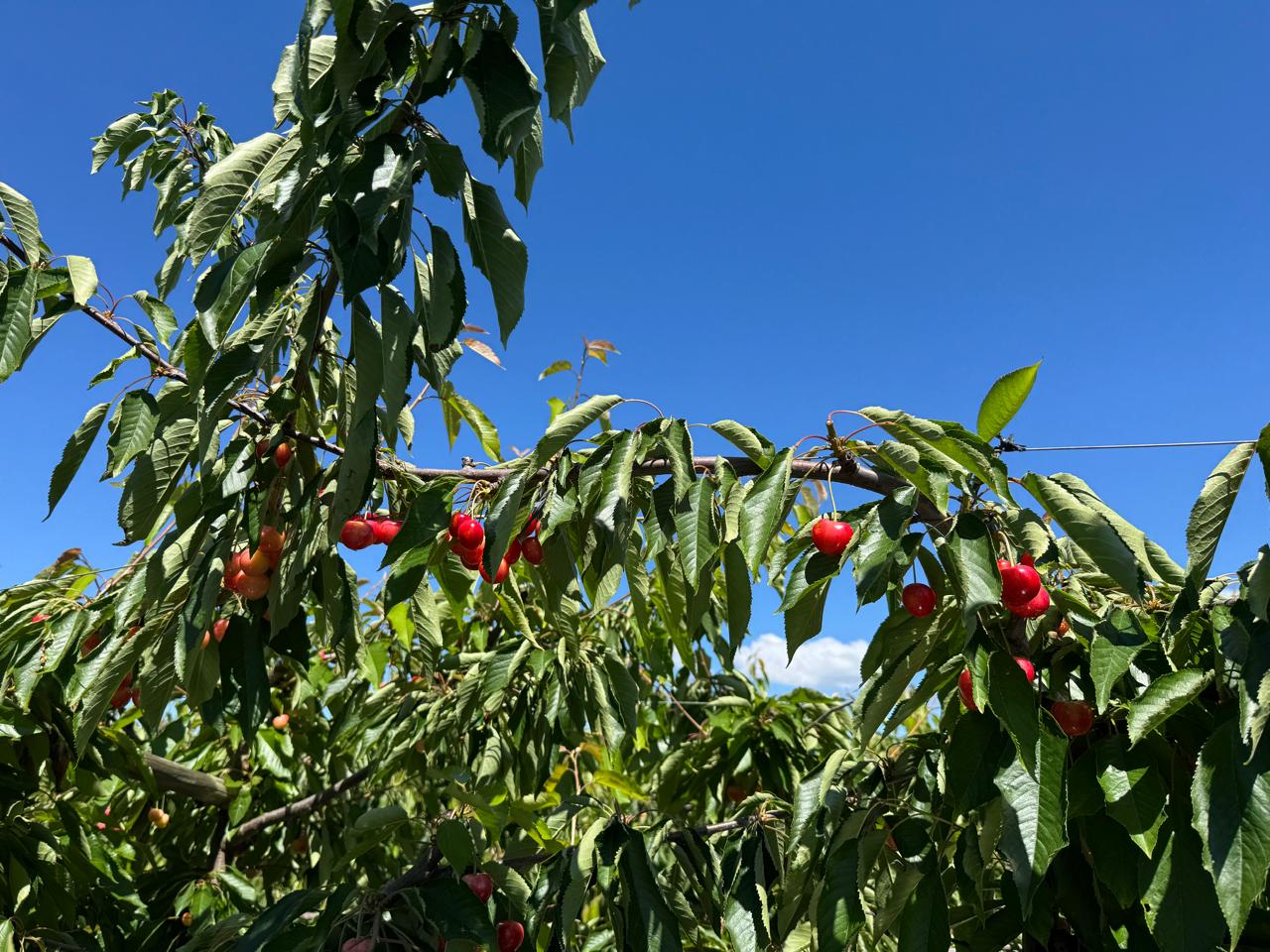
In trials with raspberries, there was an increase of up to 40% in the number of marketable punnets, while for blackberries, the increase was up to 50%. Trials with cherries indicated an additional 7 days of storage and marketability, along with 72% less dehydration.
For broccoli, trials showed up to 88% less Botrytis infection and 29% less weight loss.
Commercial Applications
Extending shelf life offers producers greater flexibility in harvest planning, storage, and distribution. Maintaining product firmness and limiting moisture loss can also reduce shipment rejections, price penalties, and weight loss during transport.
Extending the marketing period facilitates access to more distant markets and allows producers to harvest at the optimal, intended stage of maturity.
Source: Fresh Plaza