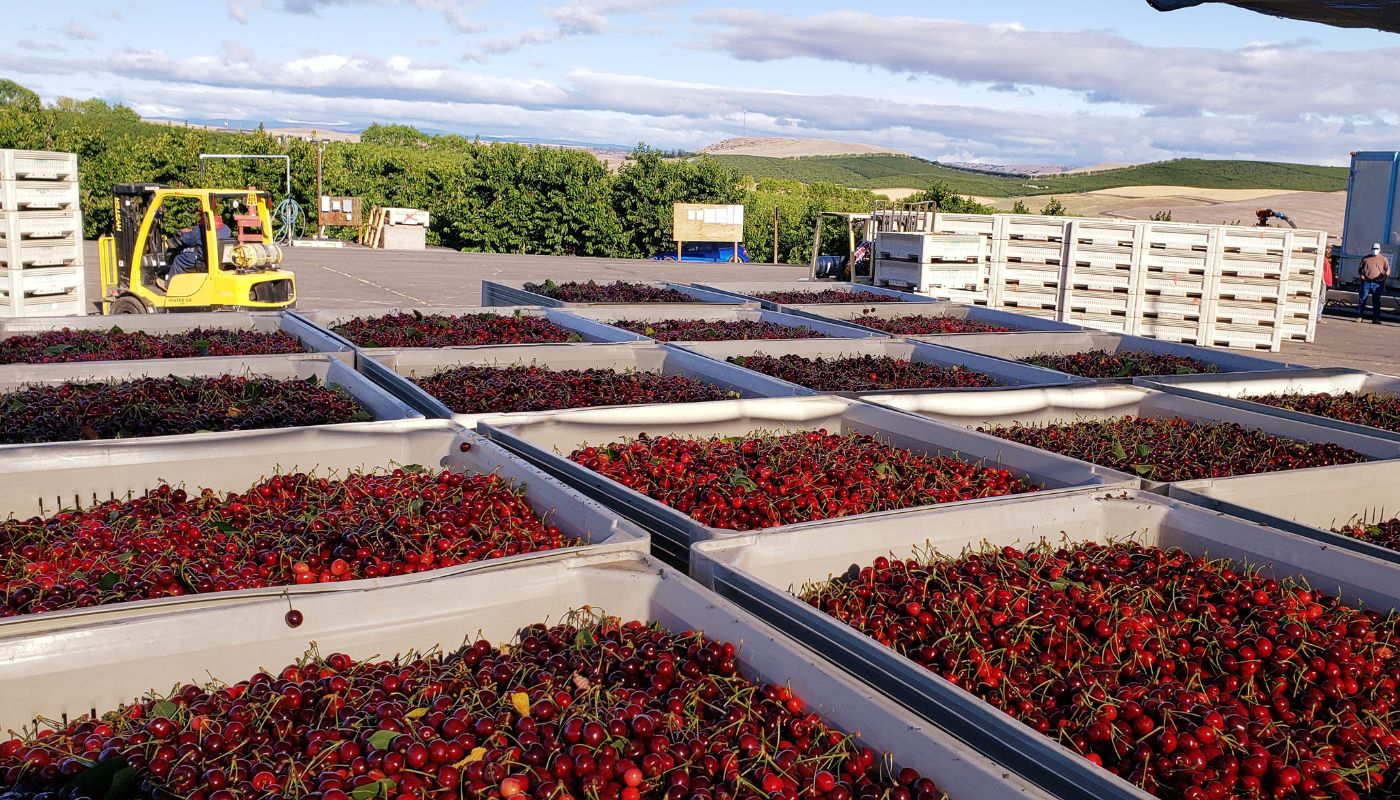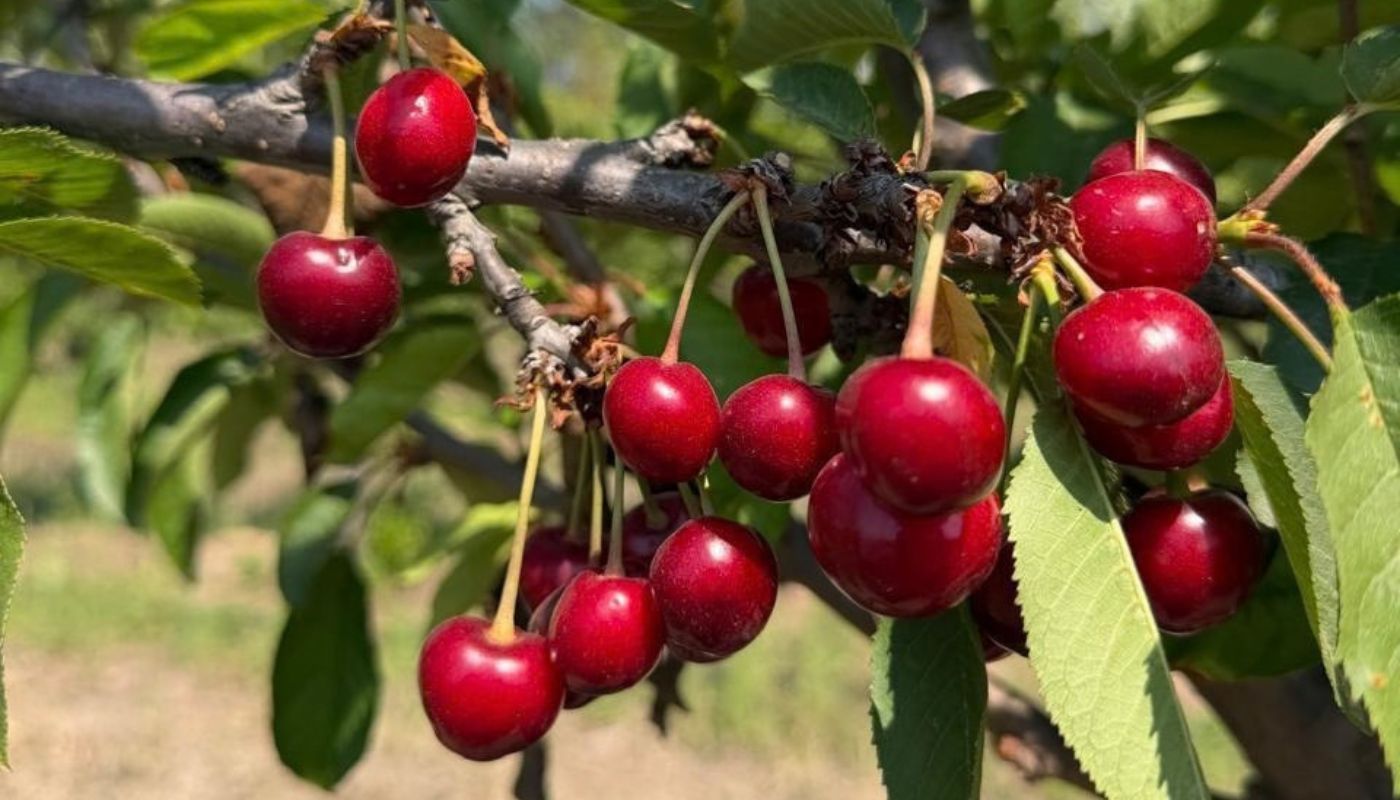

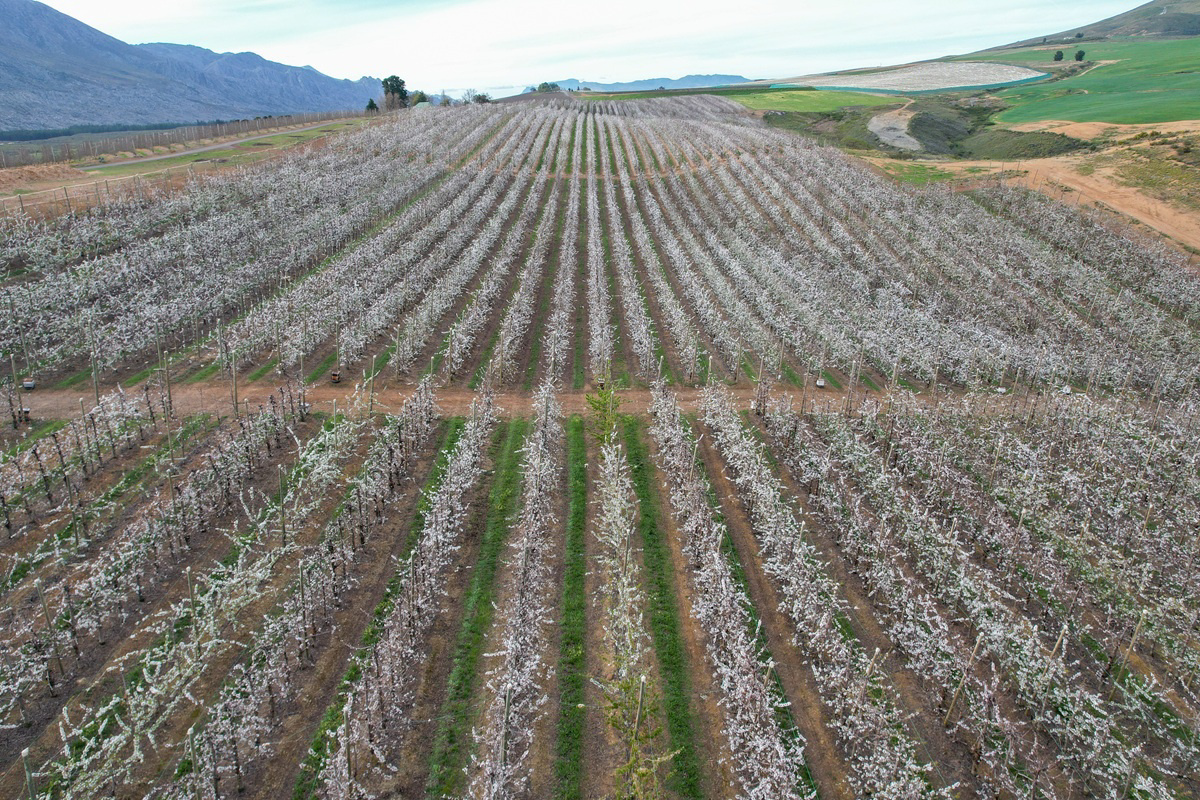
“All stone fruit is currently running one to two weeks ahead of last season, and specifically for cherries, the Western Cape harvest will arrive about ten days early,” notes Pieter-Steyn de Wet of Hortgro, the industry body for pome and stone fruit.
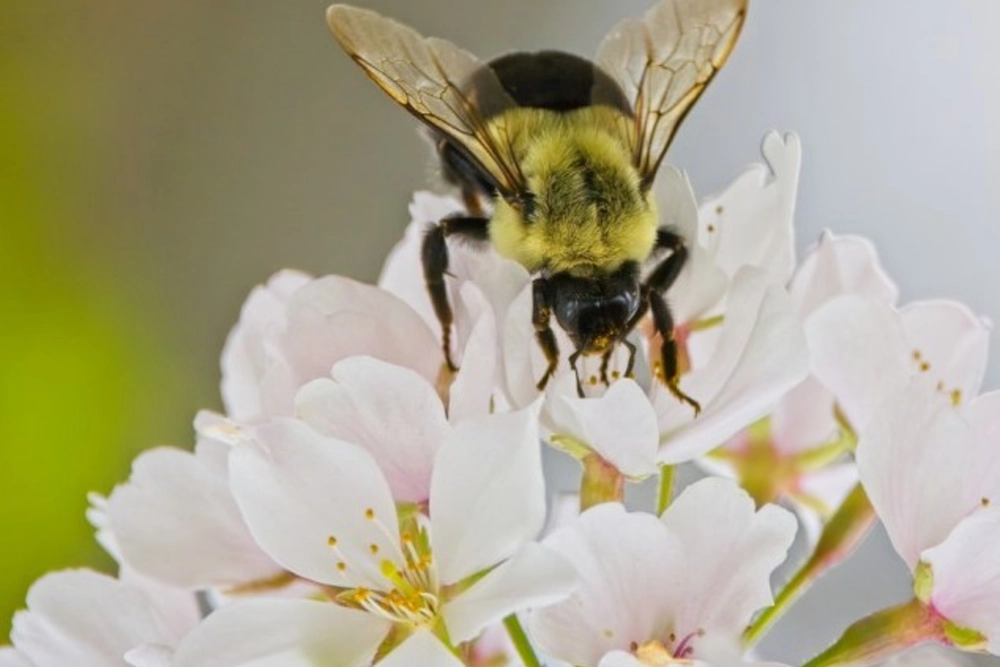
“Initial flowering was very promising, but unfortunately, a period of heatwaves followed by cold, rainy conditions led to poor fruit set,” he explains. Fruit size, however, is better than last season’s.
The winter was marked by a period of exceptional rainfall in May that caused flooding, followed by predominantly dry conditions in the production areas. Temperatures were mild or above average, with periodic cold fronts; however, the cold pattern was irregular and accompanied by scant precipitation.
This year, South African cherries secured long-awaited access to the Chinese market. Administrative procedures still need to be finalized, with the hope that the first shipments can take place this very season. Karien Bezuidenhout, manager of Hortgro CherriesZA, notes that cherry growers report strong interest from Chinese buyers in adding these cherries to their schedules.
More than half of South African cherries are typically exported to the United Kingdom. “During the 2024/2025 season, South Africa allocated 9% of its cherries to the Far East and Asia. That figure rose to 19% last season—primarily to Singapore—and with access to the Chinese market, we expect trade with this region to continue growing,” states De Wet.
In the Middle East, Argentine cherries compete with South African fruit. Last season, 12% of the South African cherry crop went to that region; however, this season, high transit costs and associated risks regarding arrival times and shelf life clearly point to a reduction.
Following a period of rapid orchard expansion, the rate of new plantings is moderating. The sector currently comprises 802 hectares, slightly down from the 811 hectares recorded in 2024. “There is a significant number of young orchard hectares coming into production, which will boost cherry volumes over the next five years.” In fact, De Wet notes that “30% of South African cherry orchards are five years old or younger.”
Source: Fresh Plaza