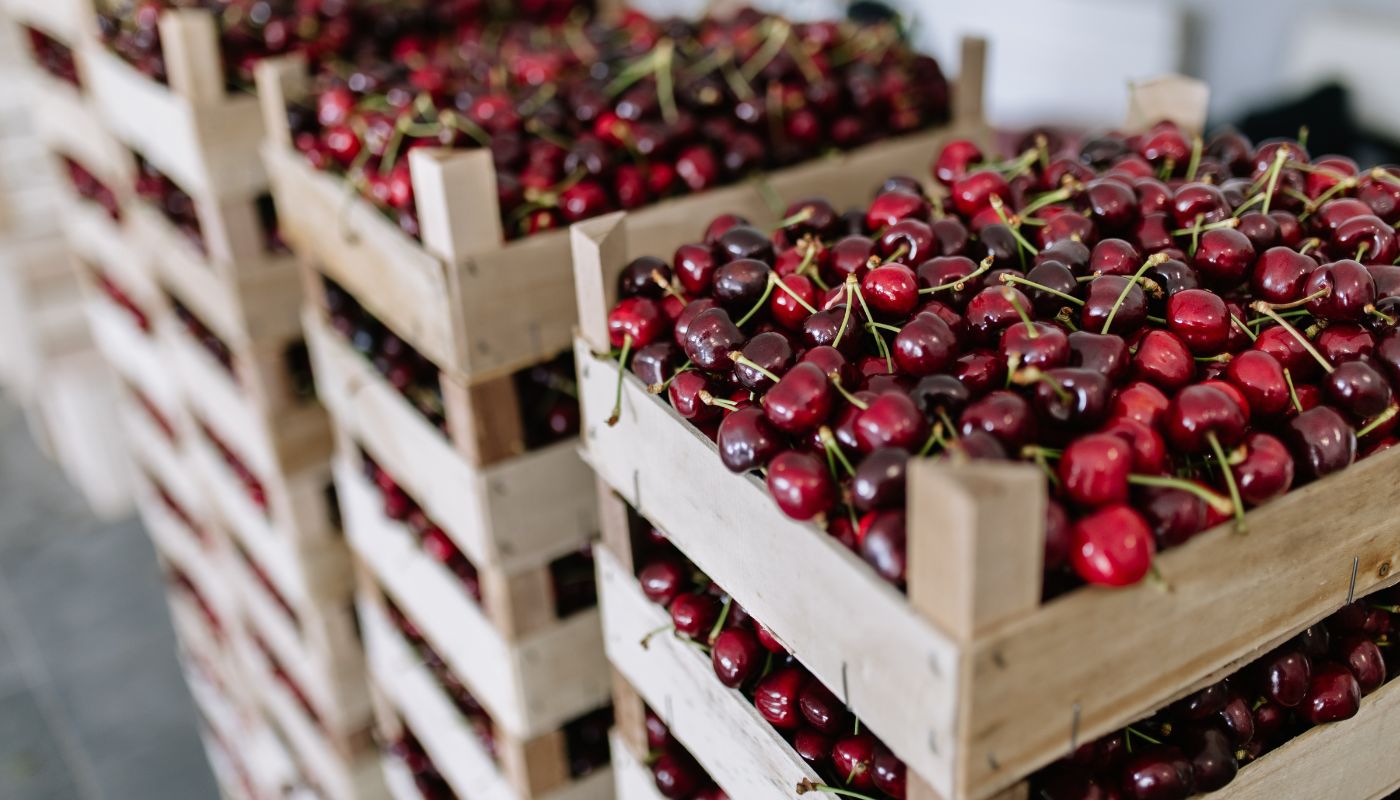


China’s General Administration of Customs (GACC) has published the official phytosanitary requirements allowing the formal entry of fresh South African cherries into the Chinese market, marking a strategic milestone for the Southern Hemisphere’s deciduous fruit industry.
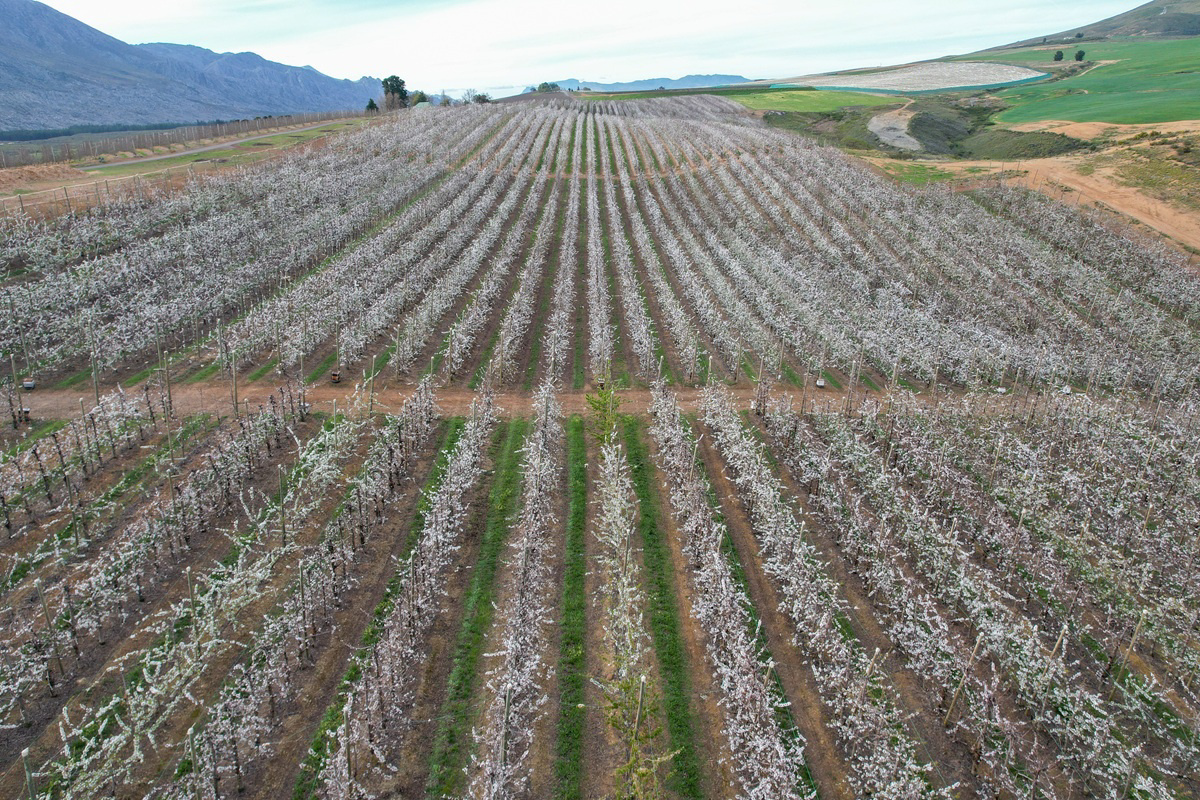
This market opening comes at a time of significant expansion for South African production. For the 2025–26 season, estimates projected a harvest of 5,100 metric tons—a 55% year-on-year increase from the previous season’s 3,300 tons—and shipments of nearly 488,000 cartons, representing 111% export growth. Concurrently, the country’s planted area has grown from 262 hectares in 2016 to 802 hectares today, with 30% of orchards—primarily in the Ceres region (Western Cape)—yet to reach full productive maturity.
Early window and Southern Hemisphere competition
Although South Africa’s supply volume is significantly lower than that of Chile—the Chinese market’s primary counter-seasonal supplier—South African fruit holds a logistical and seasonal advantage: its harvest season typically begins about three weeks earlier than Chile’s.
This timing gap creates an opportunity to meet early demand for cherries in China before the arrival of large volumes from South America. The Asian market was already gaining momentum for South African exporters, recording a 334% year-on-year surge in shipments to the region during the 2025/26 season.
Quarantine pests under surveillance
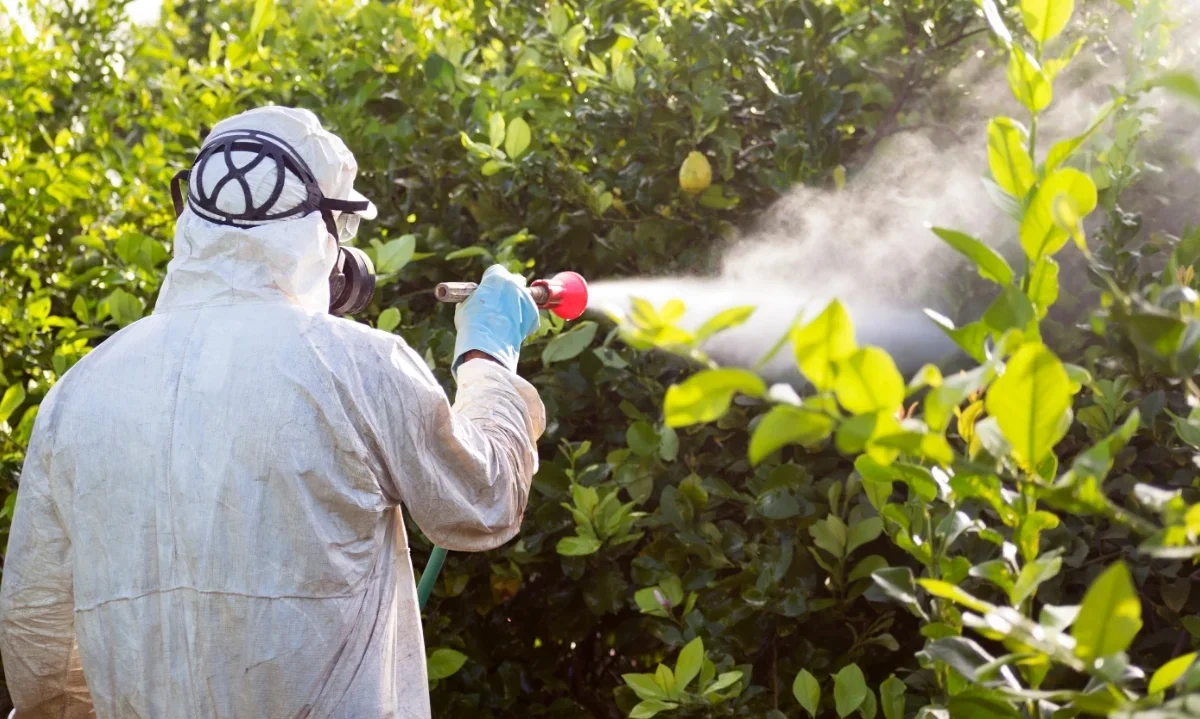
The phytosanitary protocol published by the GACC identified a list of six quarantine pests that South African producers must monitor and control through Integrated Pest Management (IPM) programs:
- Mediterranean fruit fly (Ceratitis capitata)
- Natal fruit fly (Ceratitis rosa)
- Cape fruit fly (Ceratitis quilicii)
- Fig wax scale (Ceroplastes rusci)
- Obscure mealybug (Pseudococcus viburni)
- Bacterial canker of stone fruit (Pseudomonas syringae pv. morsprunorum)
All orchards and packing facilities wishing to export to the Chinese market must be supervised and jointly registered by the South African Department of Agriculture and Chinese authorities, ensuring full traceability as well as processes for washing, sorting, and discarding fruit that is defective or contains plant debris.
Cold treatment and fumigation protocols
To mitigate biological risks, cherries must undergo specific quarantine treatments approved by Chinese customs authorities:
Cold treatment (at origin or in transit):
– Pulp temperature at or below 1.11°C for a minimum of 14 consecutive days; or
– At or below 1.67°C for at least 16 consecutive days; or
– At or below 2.22°C for at least 18 consecutive days.
Methyl bromide fumigation:
– Applied at a minimum temperature of 21.1°C with a dosage of 32 g/m³ at standard atmospheric pressure for two hours, while maintaining certified minimum residual concentrations throughout the process.
Following the GACC’s formal announcement, authorized South African companies will begin their initial trial shipments to China in limited volumes, aiming to test the cold chain and destination receipt, as well as to consolidate the market position of recently introduced varieties such as Cheery Nebula and Cheery Cupid.
Source: Frutas de Chile