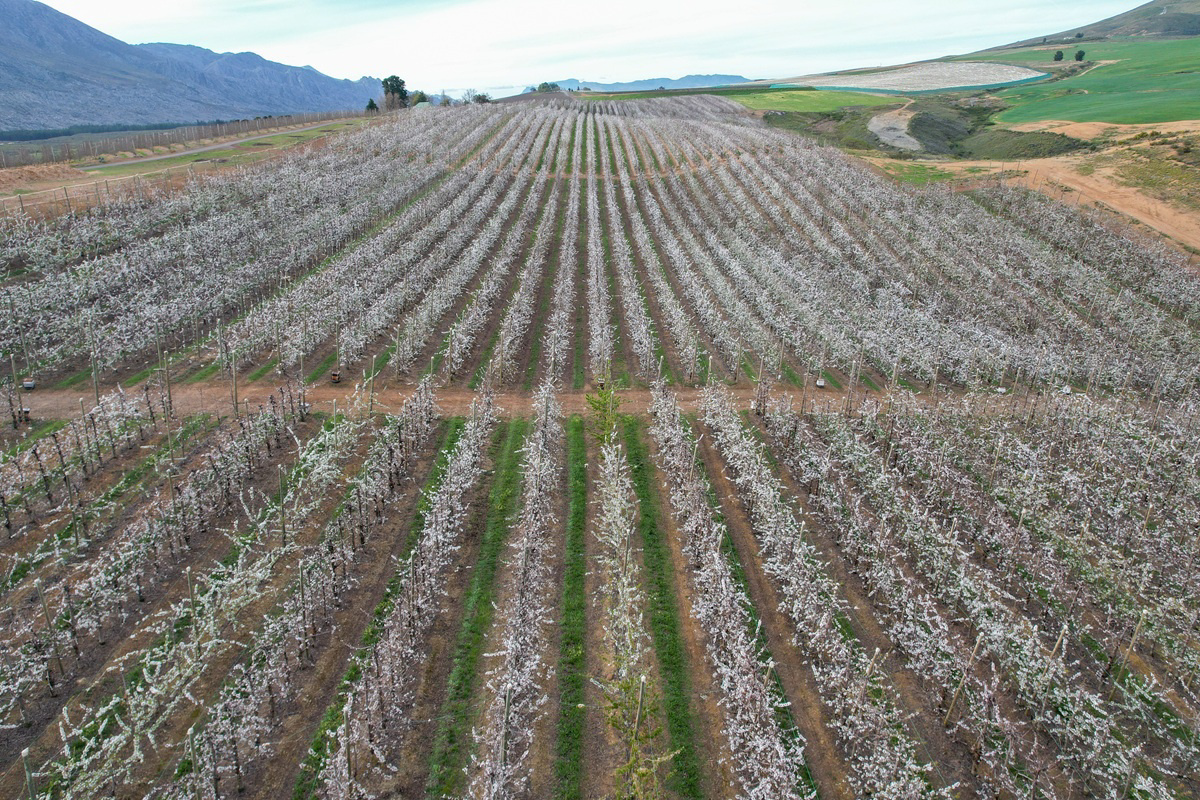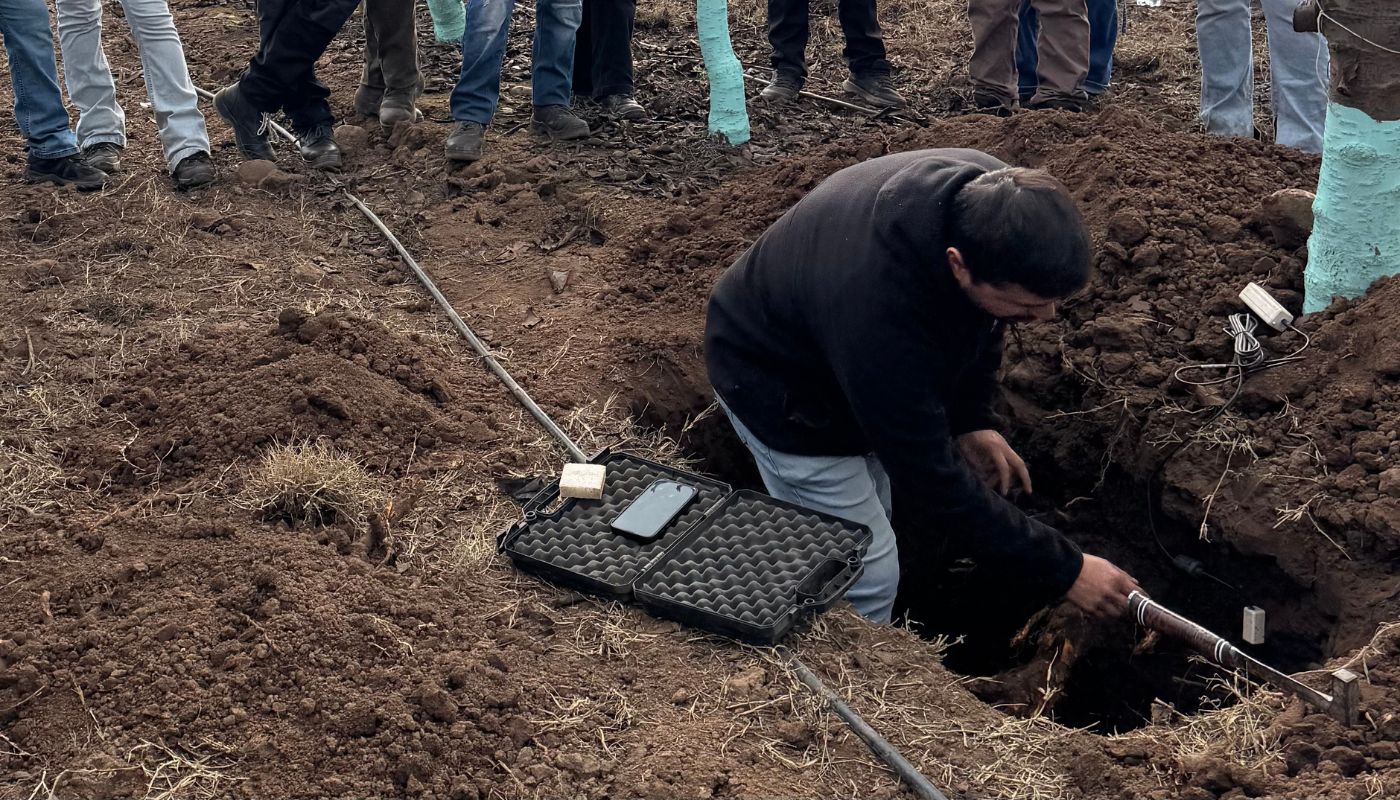

The project is led by Güizzo Frutas Frescas S.A., an Argentine company specializing in the production, packing, and marketing of early-season cherries. It operates under the technical direction of Dr. Viviana Curzel, an agronomist and director of the Fruit Growing Research Center at the Faculty of Agricultural Sciences of the National University of Jujuy. The trial is being conducted at the Machuca Farm -owned by producer Oscar Machuca- located in Monterrico, Jujuy Province.
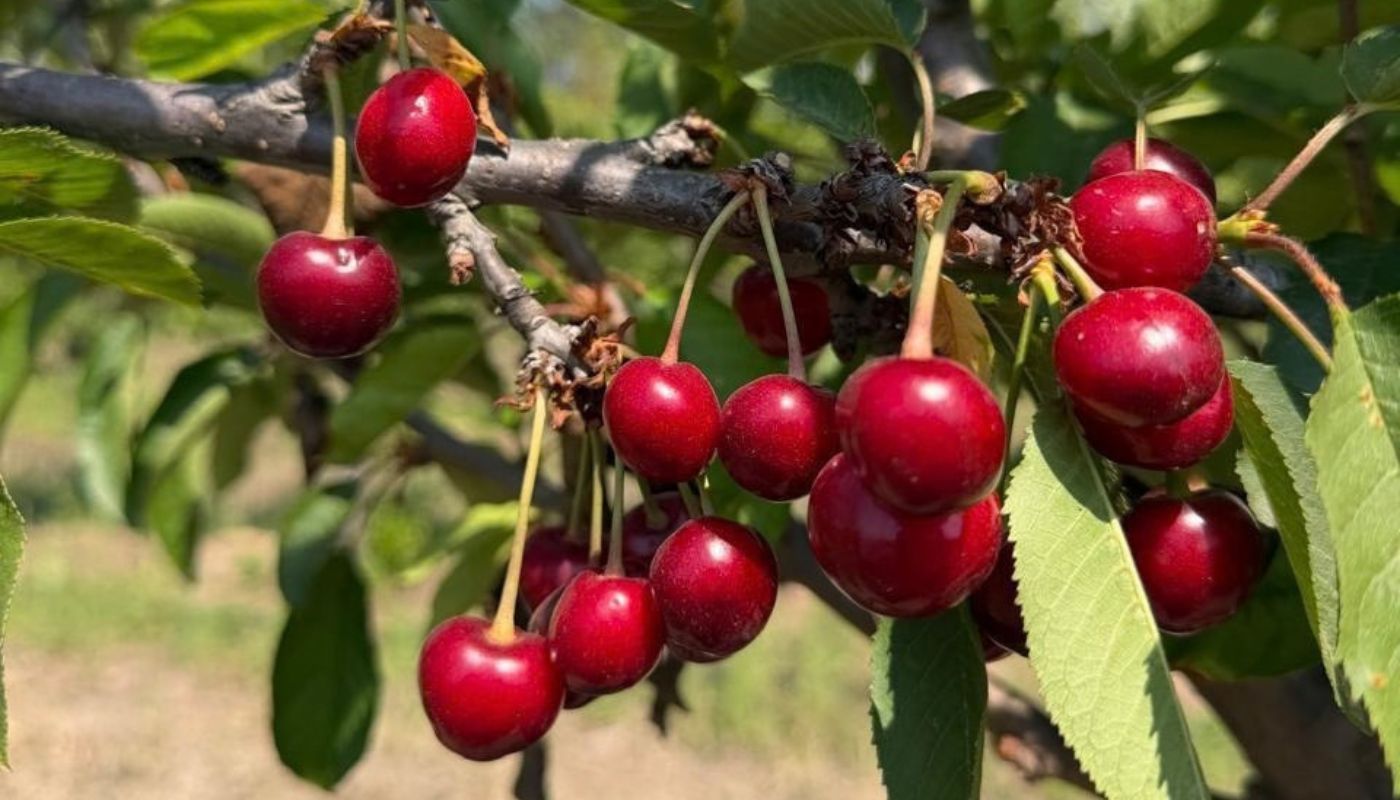
The test block consists of approximately 2,200 plants comprising varieties with low chilling requirements and ultra-early ripening characteristics. During the 2026 season, the Minnie Royal, Royal Lee, and Royal Lynn varieties—developed by the Zaiger Genetics breeding program—were harvested; these varieties have demonstrated good adaptation to the area’s agro-climatic conditions and favorable productivity trends.
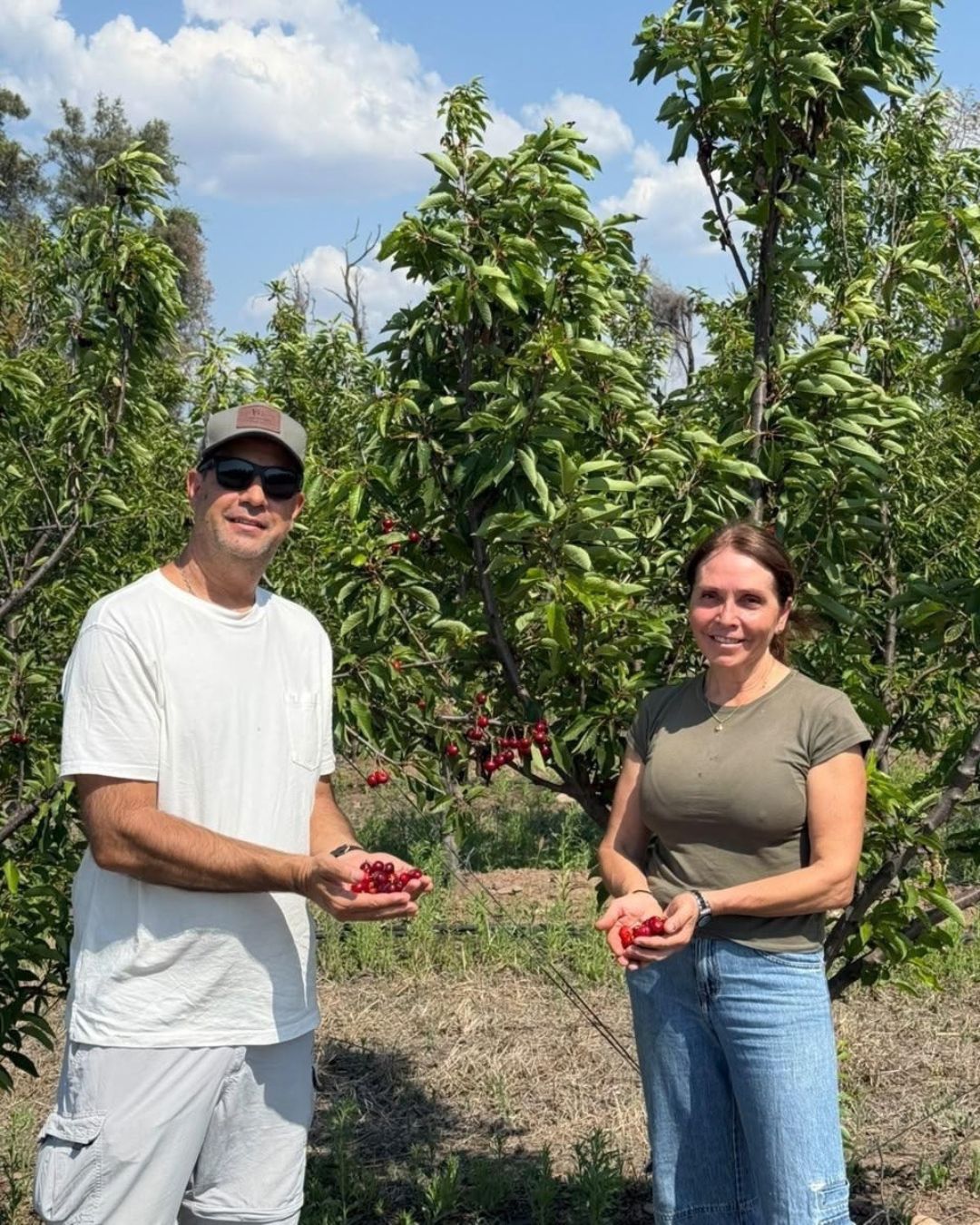
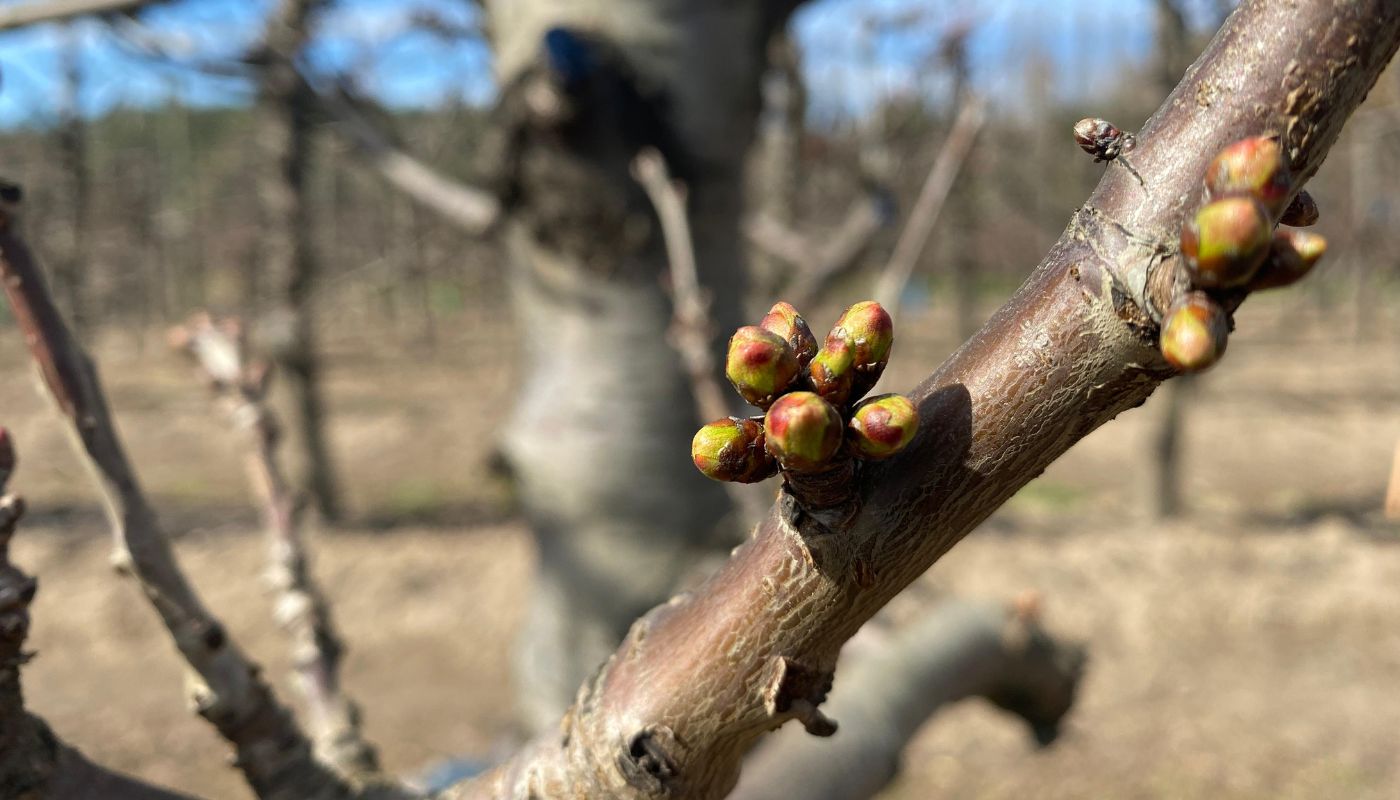
In the 2026 season, the first fruit was harvested in Week 39, but the season’s progress goes beyond the early ripening times the project has consistently demonstrated in the region. A significant increase in production was also recorded compared to the initial 2025 harvest, alongside improvements in various management aspects, such as better synchronization of the varieties during the flowering stage.
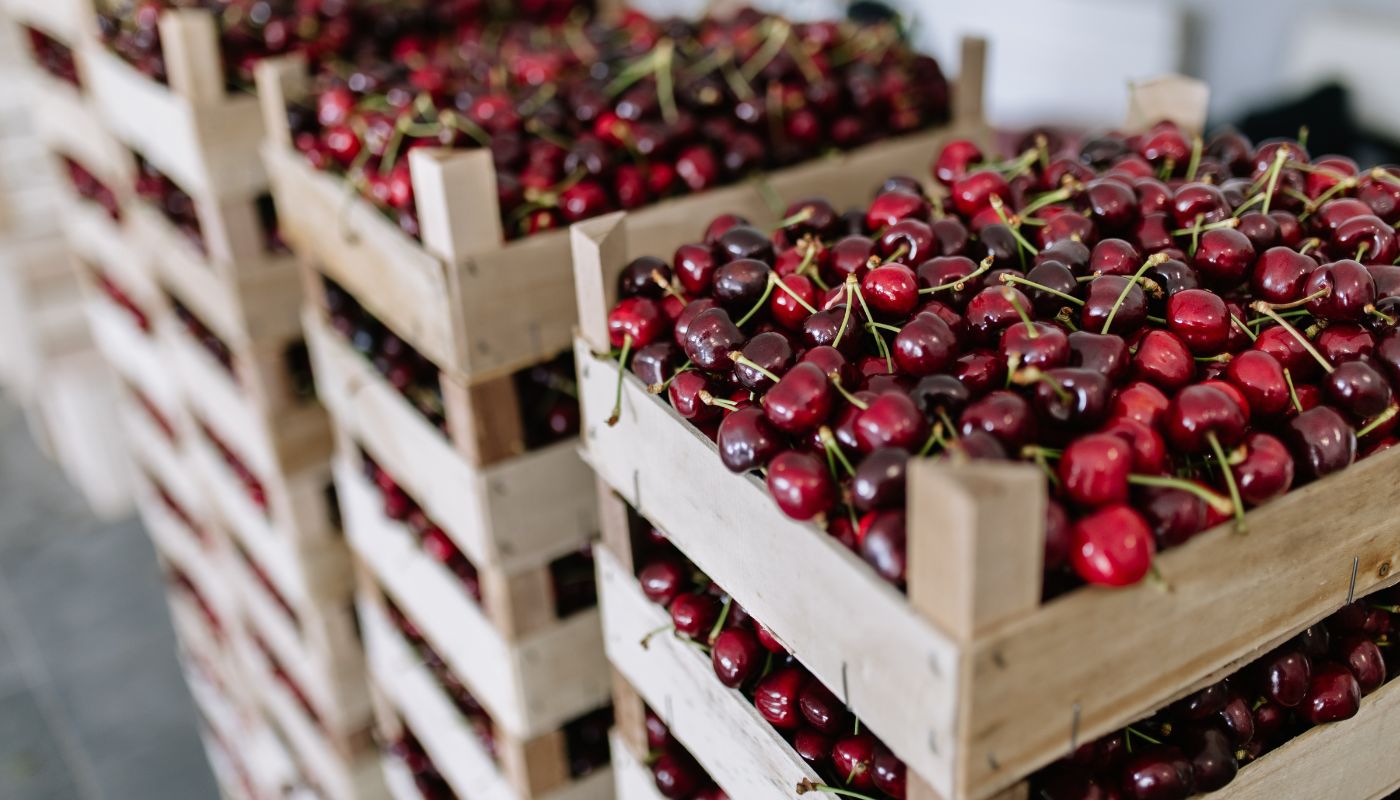
Positive results were also achieved regarding fruit quality, with soluble solid levels ranging from 25 to 28° Brix, excellent color (predominantly categories 3 and 4 on the CTIFL scale), and good firmness.
The project remains in the evaluation phase. Future objectives will focus primarily on boosting the productivity of varieties that have shown the best adaptation, while continuing to improve quality—particularly fruit size—by taking into account the specific genetic characteristics of these materials.
In parallel, the use of shade netting is being evaluated as a tool to promote earlier dormancy induction, with the aim of determining whether other varieties in the test block might improve their productive performance under these conditions.
In this context, the results achieved are significant beyond the scope of the trial itself. If this initiative proves successful at a commercial scale, it could mark a milestone for the Argentine fruit industry by bringing the start of the domestic cherry supply forward to Week 39—that is, the end of September.
Coordinated with the country’s various production regions—where harvesting takes place over the subsequent months—this new window would pave the way for an earlier Argentine market presence and a domestic cherry supply spanning from late September through late February.