
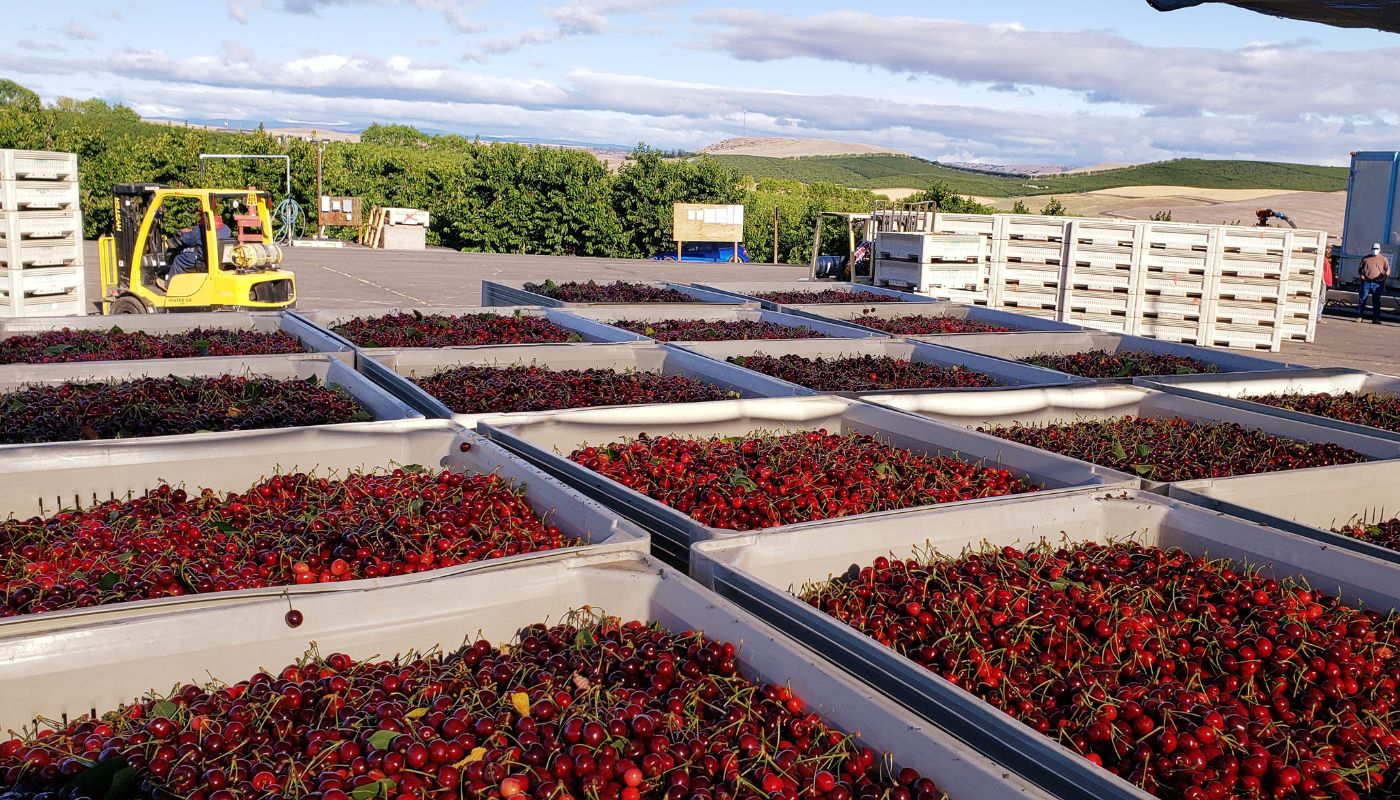
Chile’s cherry industry has already seen how growth in volume can complicate the task of protecting returns. In its 2025 Stone Fruit Annual, the USDA reported that concentrated arrivals and inconsistent quality in some consignments contributed to commercial pressure during the record 2024/25 export season.[1]
Sampling technology cannot resolve market oversupply. It can, however, address a question within the packhouse’s control: how much is known about incoming fruit while storage, packing and allocation plans can still be adjusted?
That is the area Hectre is working on with automated fruit sampling. Its Arc Gate system uses computer vision, machine learning and AI to assess the size and colour of visible fruit in every bin as loads move through receiving. Ahead of the 2026/27 season, we explore where earlier information can help, what needs to happen before teams trust it, and how its role could develop.
Chile’s packhouses already handle demanding seasons. Where do you see the next opportunity for technology?
In giving teams more room to act on what they know. These are experienced operators. They understand their fruit, their customers and the pressure of the season. Technology needs to help them handle the variation between loads as it happens.
For example, a packing plan may rely on an expected calibre mix. If incoming fruit differs from that expectation, knowing earlier gives production and commercial teams time to change their plan together. Once the fruit is on the line, their options narrow.
That is where I see the opportunity: bringing useful measurements forward to the point where a decision is still open.
What would automated sampling add to the information packhouses already collect?
A broader, more consistent view of size and colour at receiving, alongside their existing quality checks.
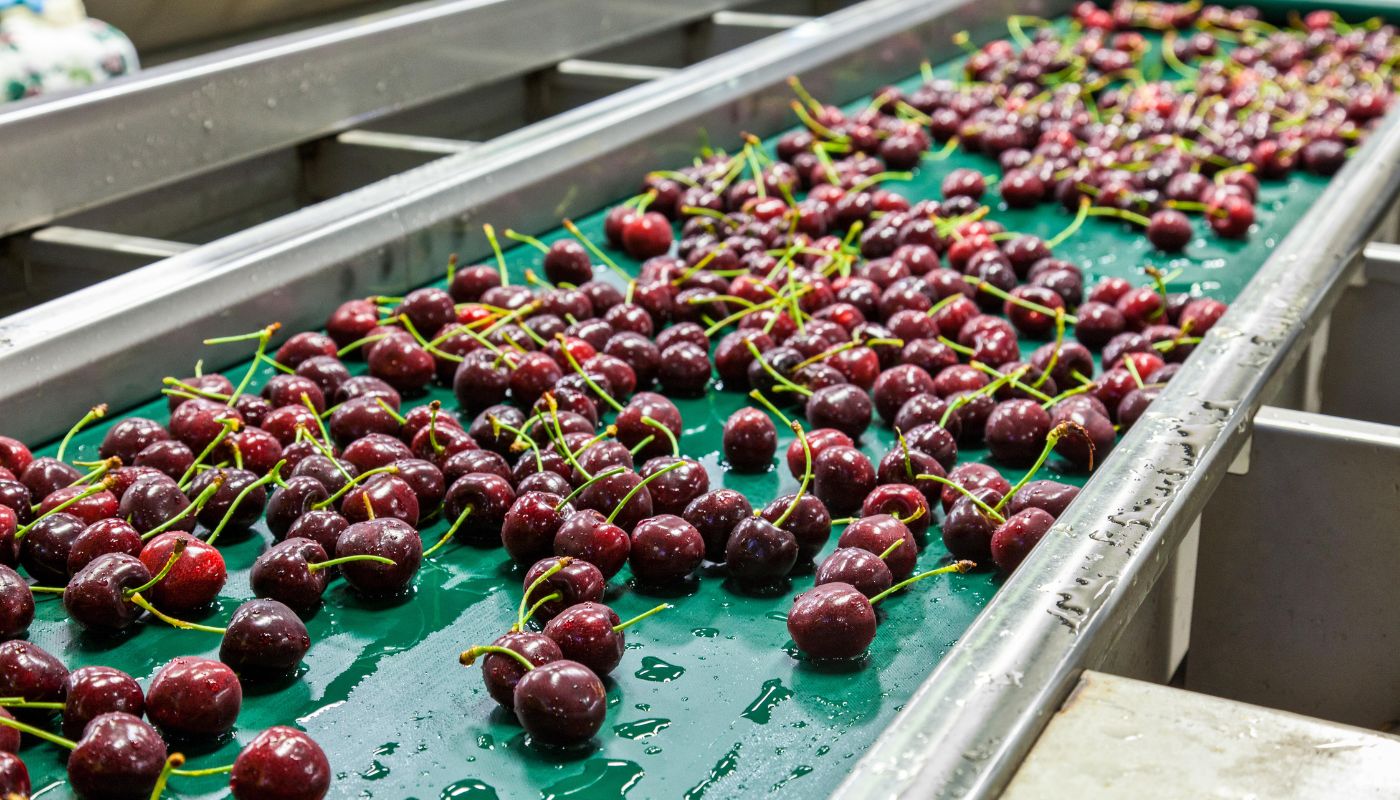
With Arc Gate, a fixed camera captures the visible fruit as loads pass beneath it. AI analyses those images and produces size and colour profiles in seconds. The measurement happens within the receiving flow, without someone operating a handheld device or carrying out a separate sampling task.
It remains a sample of visible fruit, so it is important to understand what it represents. But it gives teams another measured view of a load before grading, when they are still deciding how that fruit fits the day’s plans.
Can you give a practical example of a decision that information could change?
Suppose a load expected to fulfil demand for 30mm cherries arrives from a grower, but it only has 10% 30mm. An early indication gives the team a reason to review which loads are most likely to suit the order, before committing packing capacity.
Production can change the packing sequence, often lifting tonnes packed per hour by 10-30%. Commercial teams can revisit expected availability, and storage teams can keep the revised plan in view. Final allocation still depends on grading and the relevant quality checks.
The useful part is taking action before it is too late. Even when the original plan stays the same, teams have a better basis for proceeding.
Size and colour are only part of cherry quality. How should operators interpret that early profile?
As one part of the assessment, size and colour help describe a load, but they do not establish firmness, soluble solids, internal condition or remaining storage life. Those questions need the appropriate QC measurements and handling history.
Cherry condition can also change after receiving. UC Davis’s postharvest guidance notes that pitting and bruising may only become apparent days after damage occurs.[2] That matters when discussing what any camera can tell us at a particular moment.
The useful approach is to bring these sources together. An early profile can support planning and help teams decide where to investigate further. Quality specialists interpret it alongside the checks they already rely on.
What has to happen before teams can trust automated measurements?
They need to see how the results compare with their own standards under normal operating conditions. A demonstration is a starting point; confidence comes from repeated use.
That means validating against the customer’s grader, understanding differences between the measurements and checking performance across the conditions the site actually encounters. Teams should also be able to inspect the source images and understand when an assessment is unavailable or unsuitable.
How does that shape Hectre’s preparation with Chilean packhouses before the season?
We start with the receiving process and the decisions the customer wants to support. Where does fruit move? How can it be captured reliably? Who needs the result, and at what point in their work?
Then comes the capture setup and validation against the customer’s grading standard. Alongside that technical work, the team needs a clear way to use the information. A production manager and a commercial manager may look at the same profile for different reasons.
If technology creates another task at receiving, it probably isn’t solving the right problem. The preparation should make it easier for people to use the result once peak volumes arrive.
Looking beyond this season, what developments could make the biggest difference?
I see two connected developments: measuring more relevant characteristics earlier, and keeping that information connected to the fruit as it moves through the operation.
Size and colour are the starting point for us. Our science team continues to improve how the technology measures fruit and explore what else it can reveal at receiving. Each new capability builds on that ongoing research and validation.
Automated external defect detection for cherries is one of the capabilities we’re developing and expect to introduce in the future. The aim is to help teams recognise visible quality concerns earlier, alongside the size and colour profile, so they can identify loads that warrant closer inspection before committing to storage or packing plans. Bringing that into a working packhouse means testing across fruit varieties and operating conditions until the information is reliable enough to act on.
How should a packhouse decide whether a new technology is worth adopting?
Start with a process decision that is difficult to make with your data today. Identify who makes it, what information is missing and when that information would need to arrive.
Then evaluate the technology against that need. Did the information arrive in time? Did it help the team make or confirm a decision? Did that decision improve our operational efficiency or revenue per kg?
That gives the business something concrete to assess. The most useful technology will earn its place through those everyday decisions.
Editorial sources
1. USDA Foreign Agricultural Service, Stone Fruit Annual: Chile, 2025, Trade section, p. 5. Historical context refers specifically to 2024/25, not a forecast for 2026/27.
2. UC Davis Postharvest Research and Extension Center, Cherry: Surface Pitting & Bruising. Supports the point about delayed appearance of damage.
3. UC Davis Postharvest Research and Extension Center, Cherry. Background on maturity, quality and postharvest handling.