

This recovery follows losses caused by frost in the previous season and comes despite ongoing regulatory costs, labor shortages, and a reduction in cultivated area. Growers are also considering crops that can be harvested mechanically, as labor availability and generational renewal increasingly influence investment decisions.
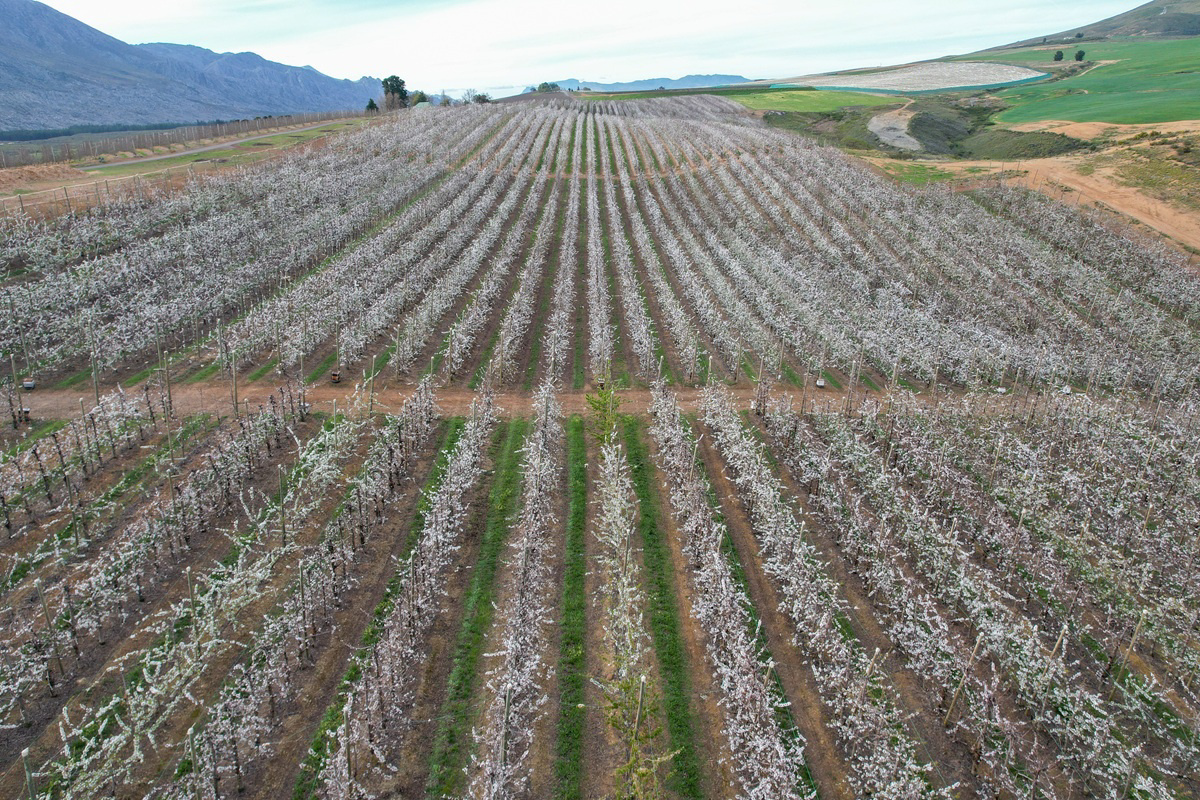
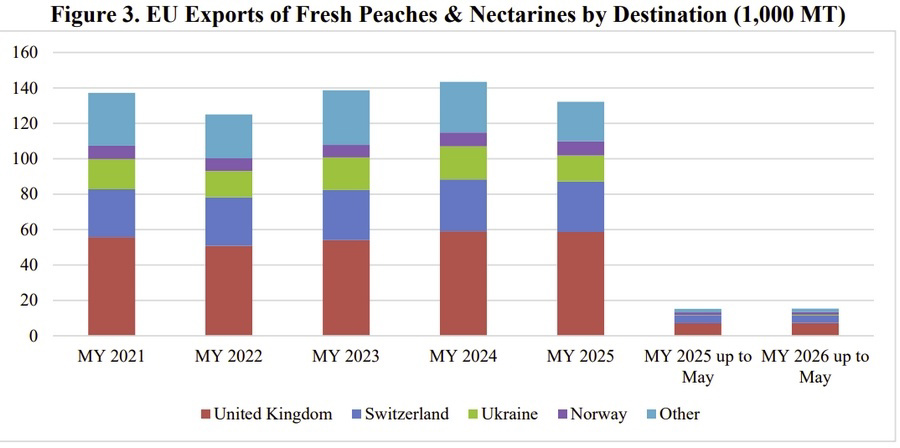
EU peach and nectarine production is estimated at 3.5 million tonnes, with Spain, Italy, Greece, and France as the main producers. The planted area is estimated at 170,000 hectares and continues its downward trend as some growers opt for other woody crops. Increased availability in the domestic market is expected to boost exports, given that the EU remains a net exporter of peaches.
Spain forecasts a peach and nectarine production 6% higher than last year and 14% above the five-year average. Production capacity has recovered in most regions, although Extremadura has suffered from fruit set problems and frost. Italy estimates production at approximately 926,410 tons, with increases in the north and south of the country offsetting losses in some areas.
Greece expects to reach around 750,000 tons, while peach production for processing is estimated at around 300,000 tons.
France forecasts a 2% increase in peach and nectarine production compared to 2025 and a 3% increase compared to the five-year average. Heat waves affected fruit development and accelerated ripening, although irrigation limited the impact of the drought. The area planted with orchards continues to shrink due to economic pressures and losses associated with sharka disease.
In Hungary, the harvest is expected to be approximately half of a normal amount, following the exceptionally low yield of the previous season, estimated at only 10-20% of usual production. Poland, meanwhile, suffered widespread damage from spring frosts during flowering and fruit set, exacerbated by drought conditions and low rainfall.
Portugal has returned to normal or slightly above-average production levels after frost and hail caused severe damage to the 2025 crop.
Bulgaria also expects to improve its stone fruit production compared to the 2025/26 season, aided by good winter moisture, favorable spring conditions, and weather conducive to pollination. Harvesting began in July, although frequent summer showers caused disruptions.
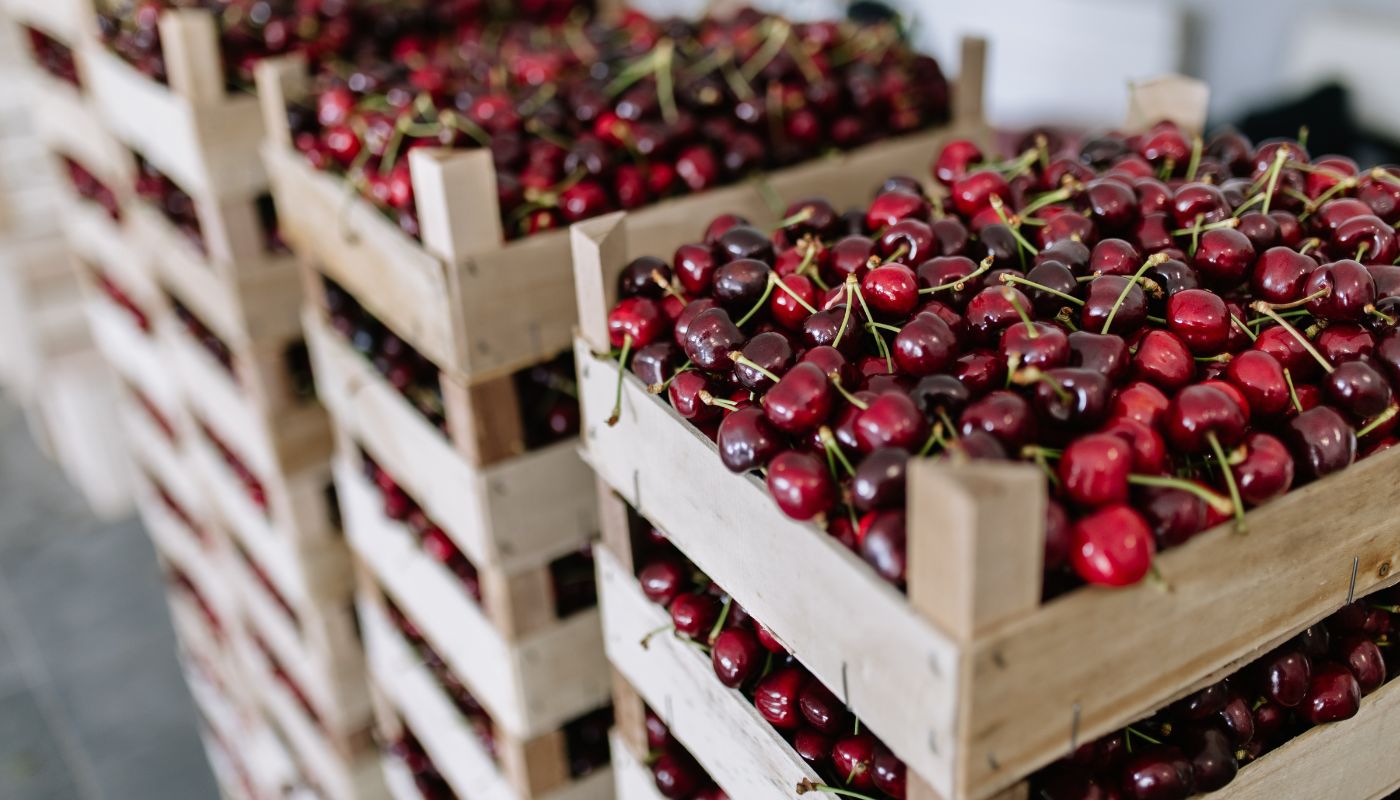
EU cherry production is also expected to increase, driven by stronger harvests in Spain, Italy, and Germany, despite adverse weather conditions in France. The area dedicated to cherries is forecast to remain stable, although the long-term trend continues to be downward.
Imports are expected to triple as Turkey recovers from losses caused by adverse weather conditions in the 2025/26 season, while exports should grow moderately.
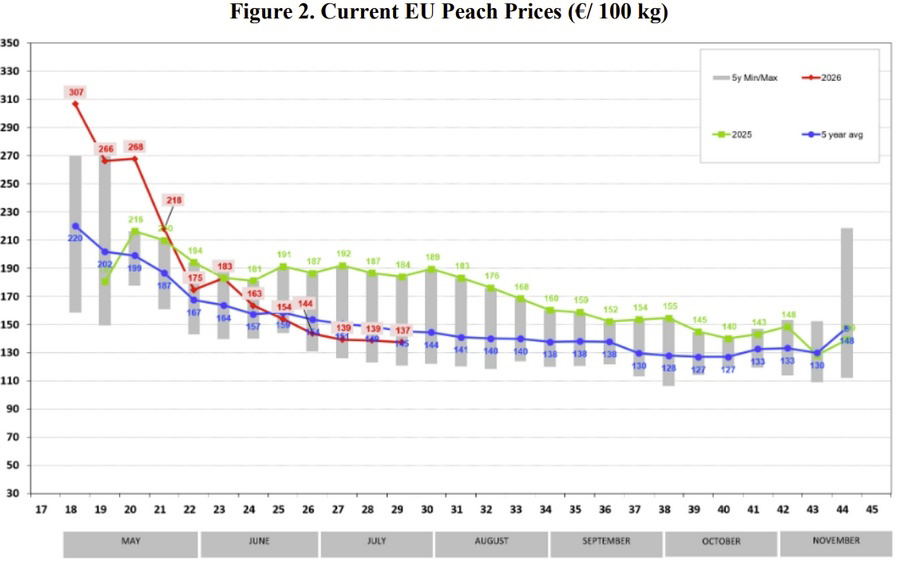
Peach and nectarine consumption is expected to rebound thanks to increased availability resulting from higher domestic production. Heat waves are also supporting demand for fresh fruit. Prices started the 2026 peach season above the five-year average, but adjusted downwards as supply increased, ending June below both the five-year average and the previous year’s levels.
To view the full report, you can click here.
Source: Fresh Plaza