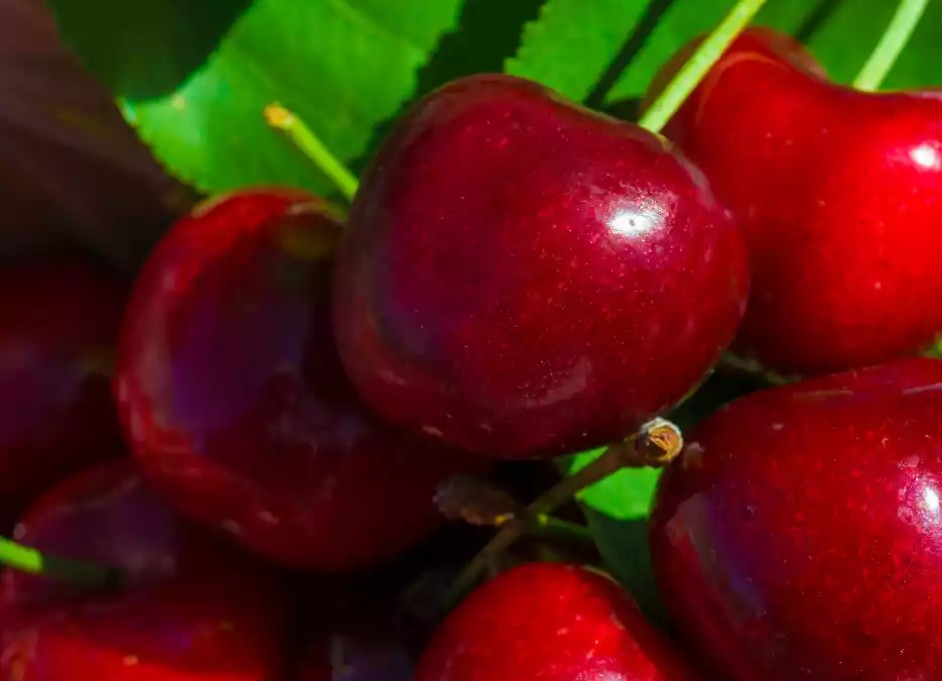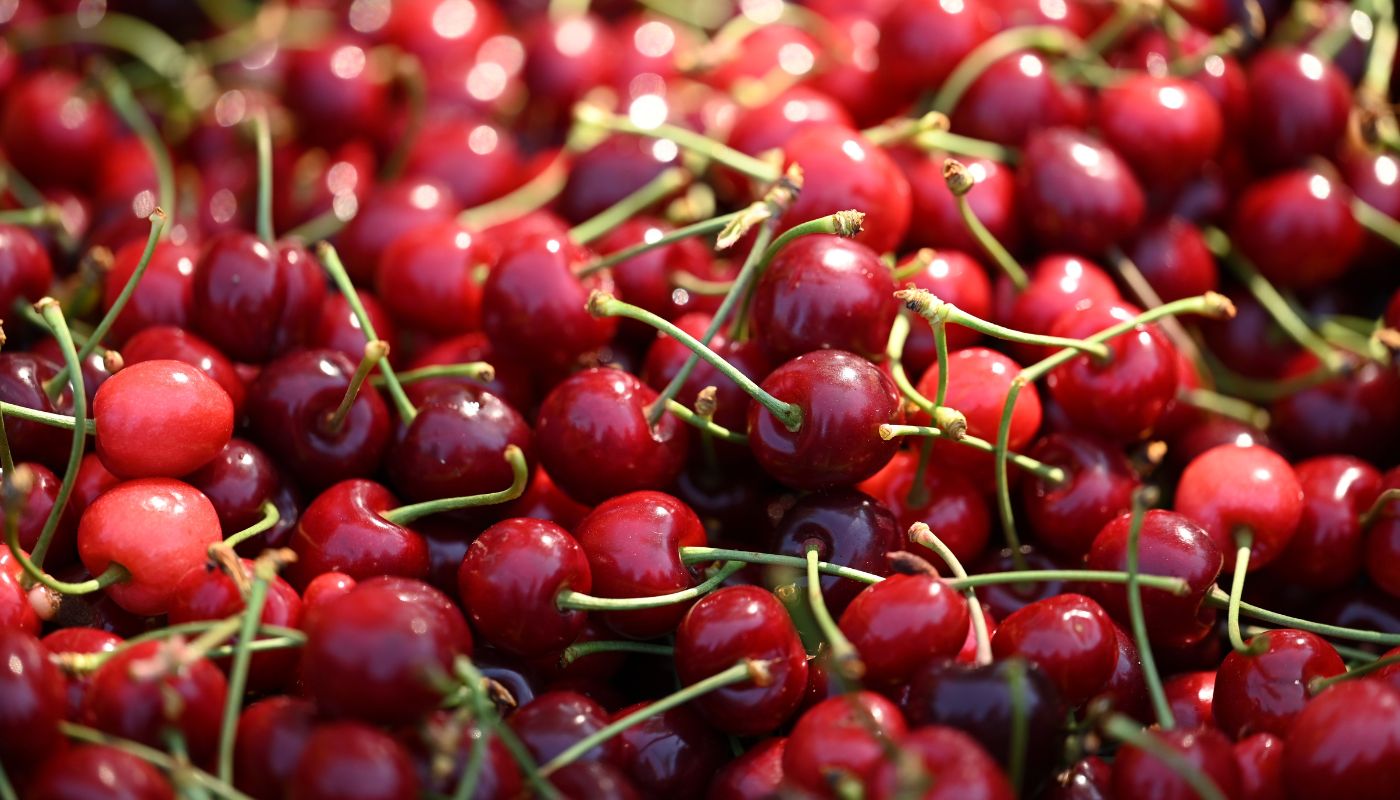

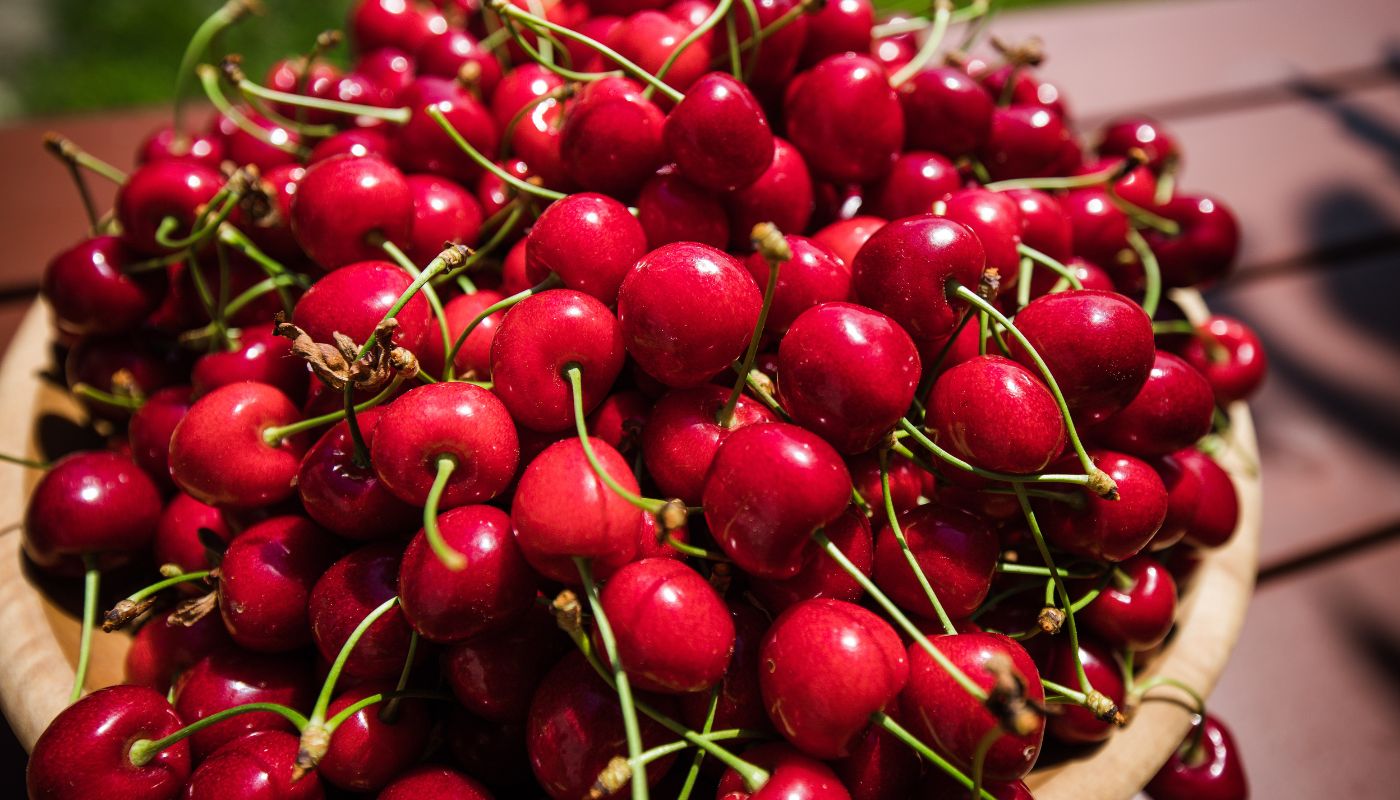
Today, the primary research objective is to produce large-caliber cherries -with a minimum size of 28 mm and the potential to reach 30–32 mm or larger- characterized by high crunchiness, firm texture, excellent flavor, high sugar content, and, above all, strong resistance to cracking. Indeed, the modern consumer seeks a large, crunchy, sweet, and defect-free product.
“Alongside varietal evolution, the evolution of rootstocks is crucial. To achieve high yields and quality, it is necessary to use modern rootstocks, such as those in the Gisela group (Gisela 5, Gisela 6, and Gisela 12) and the MaxMa series (including MaxMa 14 and MaxMa 60). These materials allow the crop to be adapted to varying soil characteristics, water availability, fertility levels, and diverse soil-climate environments,” Zanzi continues.
This ability to combine specific varieties with appropriate rootstocks now makes it possible to extend cherry cultivation to environments previously considered less favorable. “North Africa is a particularly relevant example. Traditional cherry trees generally have high chilling requirements—ranging from 800 to 1,200 hours, depending on the variety and the method used to measure them. However, in many southern regions, winter cold is insufficient to ensure a regular and uniform emergence from dormancy.” New research into varieties is radically changing this situation. Numerous ‘low-chill’ varieties are already available or currently being introduced, with chilling requirements as low as approximately 400–500 hours. This opens up new production possibilities in southern Italy and across many areas of the Mediterranean and North Africa, enabling commercial yields even in regions with mild winters—and allowing for such early production that the harvest and consumption season is extended.”
In any case, the choice of rootstock remains a decisive factor. There is no universal rootstock; selection must be based on soil characteristics, required vigor, water availability, the specific variety used, and the climatic conditions of the production area.
Another major development in modern cherry production is high-density planting. The goal is not merely to increase yield per hectare, but above all to achieve high-quality production and reduce harvesting costs—currently one of the main challenges for the crop in Italy.
“Labor costs in Italy are particularly high. Therefore, it is essential to design modern orchards using training systems, planting layouts, and variety-rootstock combinations that facilitate the fastest and most efficient harvesting possible. These designs should also support the use of pruning machines, platforms, and harvest-assist equipment—as well as mechanized harvesting systems where technically feasible,” emphasizes Giovanni Zanzi.
New rootstocks thus make it possible to control vigor, increase planting density, and improve production efficiency; when combined with the latest self-fertile varieties, they deliver high yields alongside superior fruit size and quality. Regarding marketing, Giovanni notes: “The market increasingly rewards high-end products. Demand is particularly focused on large-sized cherries that are firm and crisp, have high Brix levels and excellent color, and are completely free of defects or cracking. This trend is driving significant growth in cherry cultivation across many regions of the world. Certain countries in Eastern Europe and Central Asia—including Russia, Azerbaijan, Uzbekistan, and Georgia—are particularly dynamic, with new orchards and modern production systems currently being developed.”
At the same time, the introduction of low-chill varieties is opening up new opportunities in North African and Mediterranean countries—such as Morocco, Algeria, and Lebanon—where climatic conditions can be especially favorable for these new low-chill selections.
“Future cherry production will therefore increasingly rely on the integration of new varieties and rootstocks, high-density planting, modern training systems, mechanization, and adaptation to the specific soil and climatic conditions of each region. The real challenge will not simply be to produce more cherries, but to produce them with larger size and superior quality, while using less labor and reducing production costs. International research is moving in this direction, and this will likely be the path that shapes the future of global cherry production.”
“Thanks to its close collaboration with leading breeders, Vivai F.lli Zanzi offers a comprehensive range of varieties to meet any production need across all countries; these varieties are listed and described on our website,” the statement concludes.
Source: Fresh Plaza