

Moldova has taken a significant step toward boosting its exports to the European Union after signing the updated trade agreement, which will provide it with improved access for its fresh produce to the EU market.
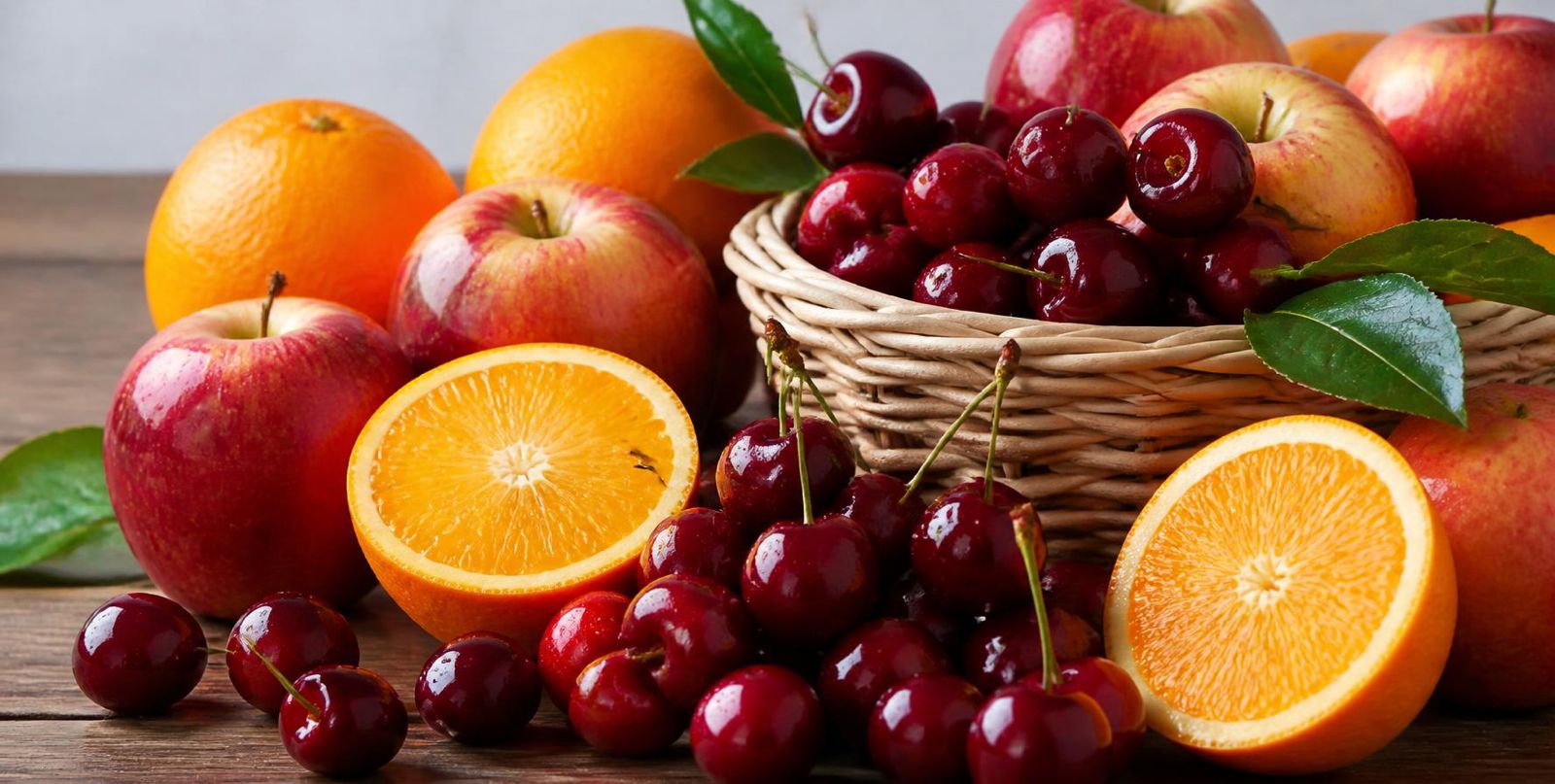
According to the European Commission website, and as reported by Frutas de Chile, the updated terms of the Deep and Comprehensive Free Trade Area (DCFTA) between the EU and Moldova will increase the bloc’s tariff-rate quotas for Moldovan plums, table grapes, apples, and cherries.
This agreement represents a crucial step forward for the Moldovan economy, allowing its producers to benefit from greater opportunities in the vast European market. While most Moldovan exports already enjoy duty-free access under the current EU-Moldova Association Agreement, the revised terms seek to further boost bilateral trade, balancing the interests of both parties.
The European Commission (EC) emphasized that this measure is “an important step towards building a stable, long-term, and balanced trade relationship”, especially as Moldova moves forward with its EU accession process. Duty-free access for garlic and tomatoes, although the latter will be subject to a minimum reference price, is a key addition that will directly benefit Moldovan farmers.
In this context, Maroš Šefčovič, Commissioner for Trade and Economic Security, emphasized that “today’s agreement marks a further step in deepening the already important trade relations between Moldova and the EU.” He added that the agreement is “fair and balanced” and protects the interests of EU farmers, providing “much-needed stability and predictability in these uncertain times”.
For his part, Christophe Hansen, European Commissioner for Agriculture and Food, emphasized the EU’s support for Moldova’s European path through strong economic cooperation. “This package sends a clear message: to Moldovan producers and exporters, we are opening new doors; and to EU farmers and Member States, we are also listening and protecting their fundamental interests”, Hansen stated.
It is important to note that the new market access for Moldovan products is conditional on Moldova’s gradual adaptation to relevant EU production standards, including the use of pesticides. This commitment to harmonization underscores Moldova’s seriousness in aligning itself with European standards. In return, Moldova has also agreed to improve access for certain EU agricultural exports.
This agreement, which will be formally ratified and approved by both parties after a legal review, promises to further strengthen economic ties between Moldova and the European Union, paving the way for deeper integration.
Source: Fruits from Chile