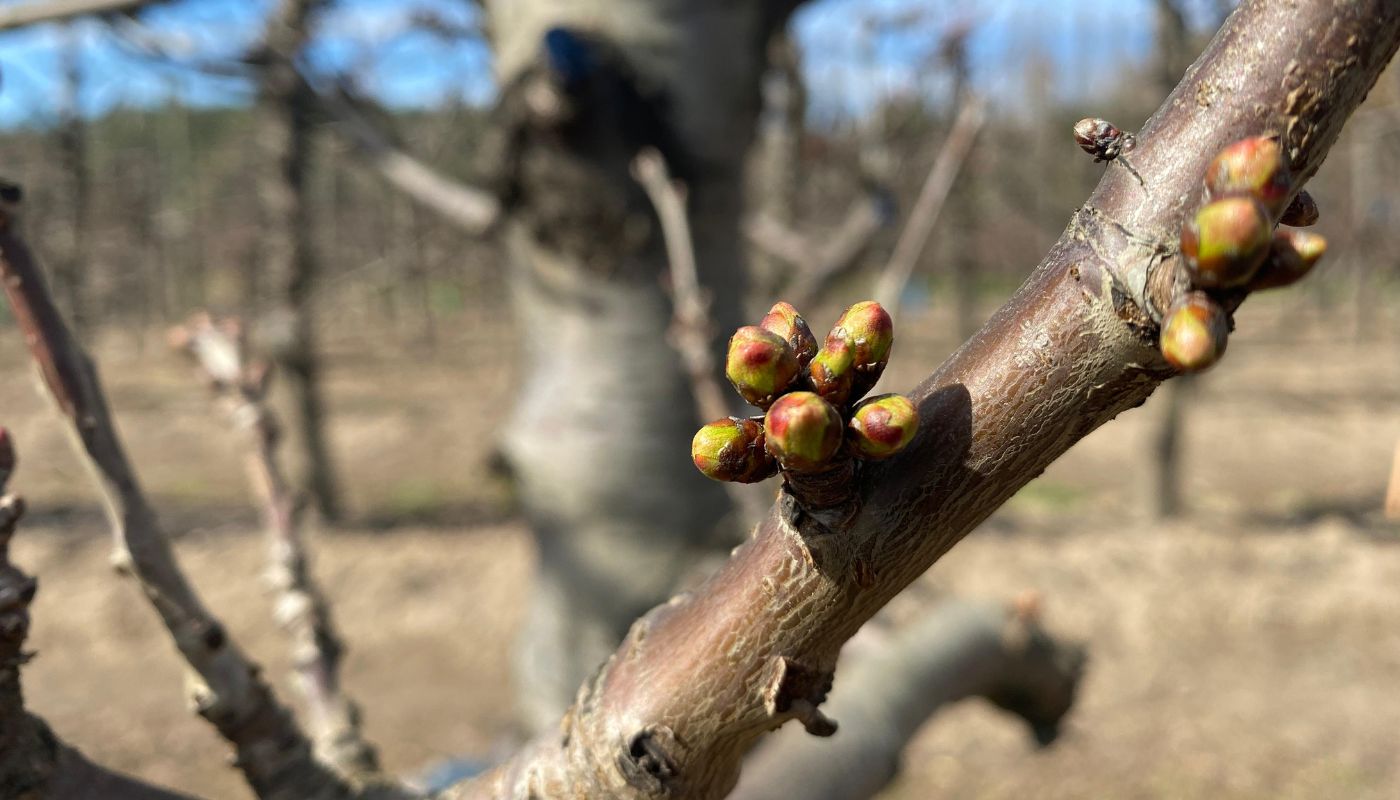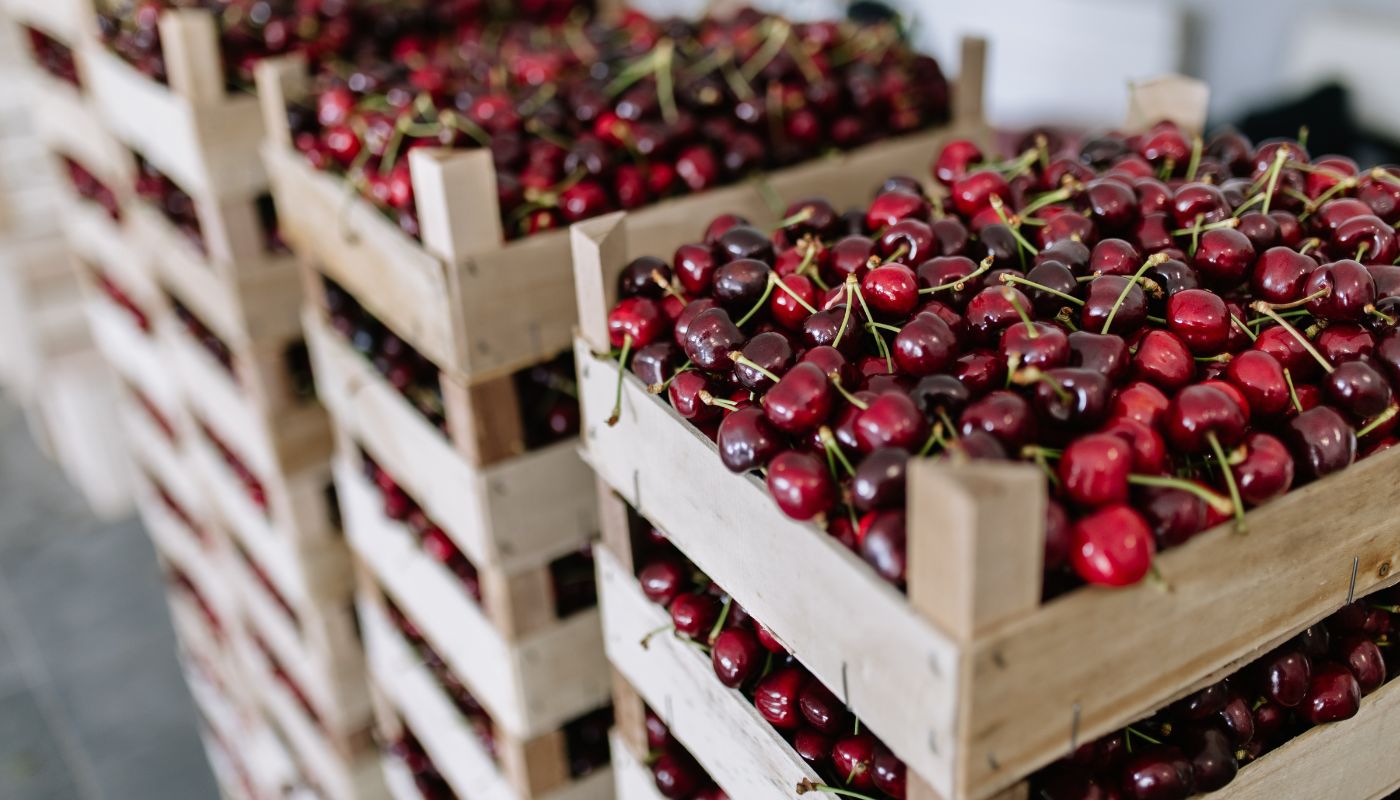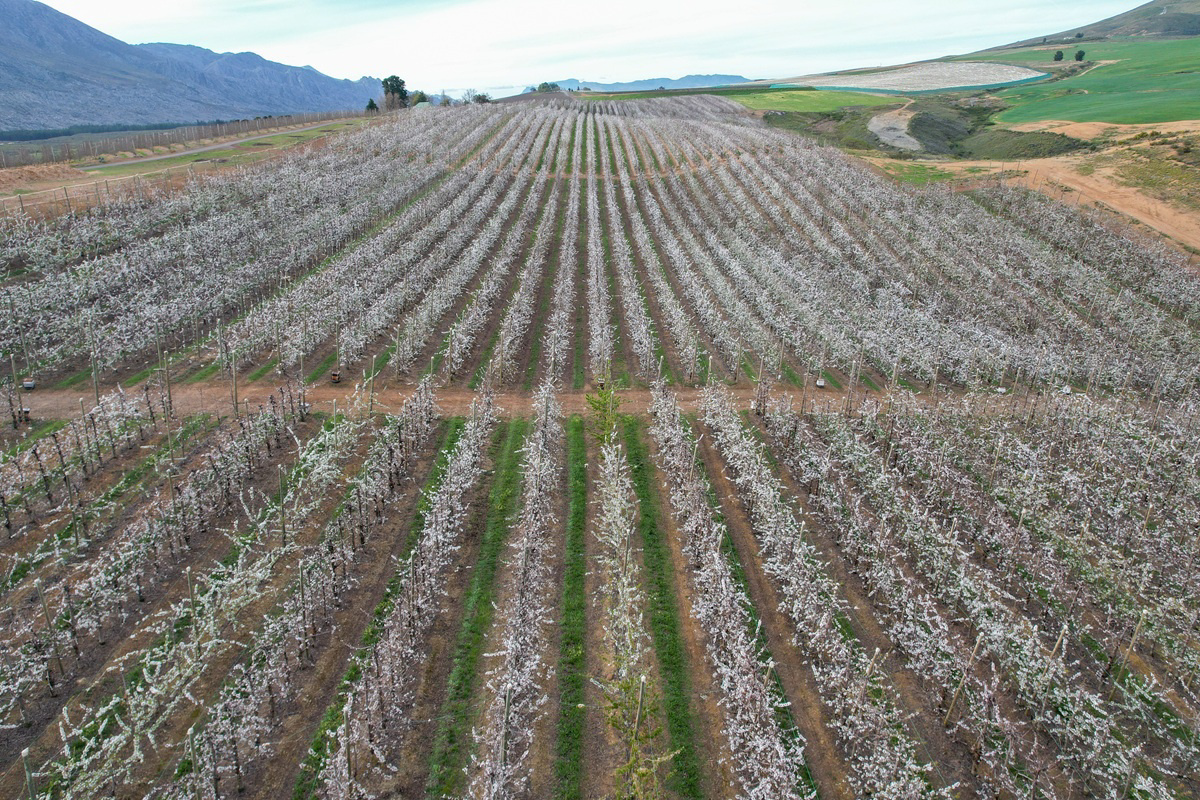

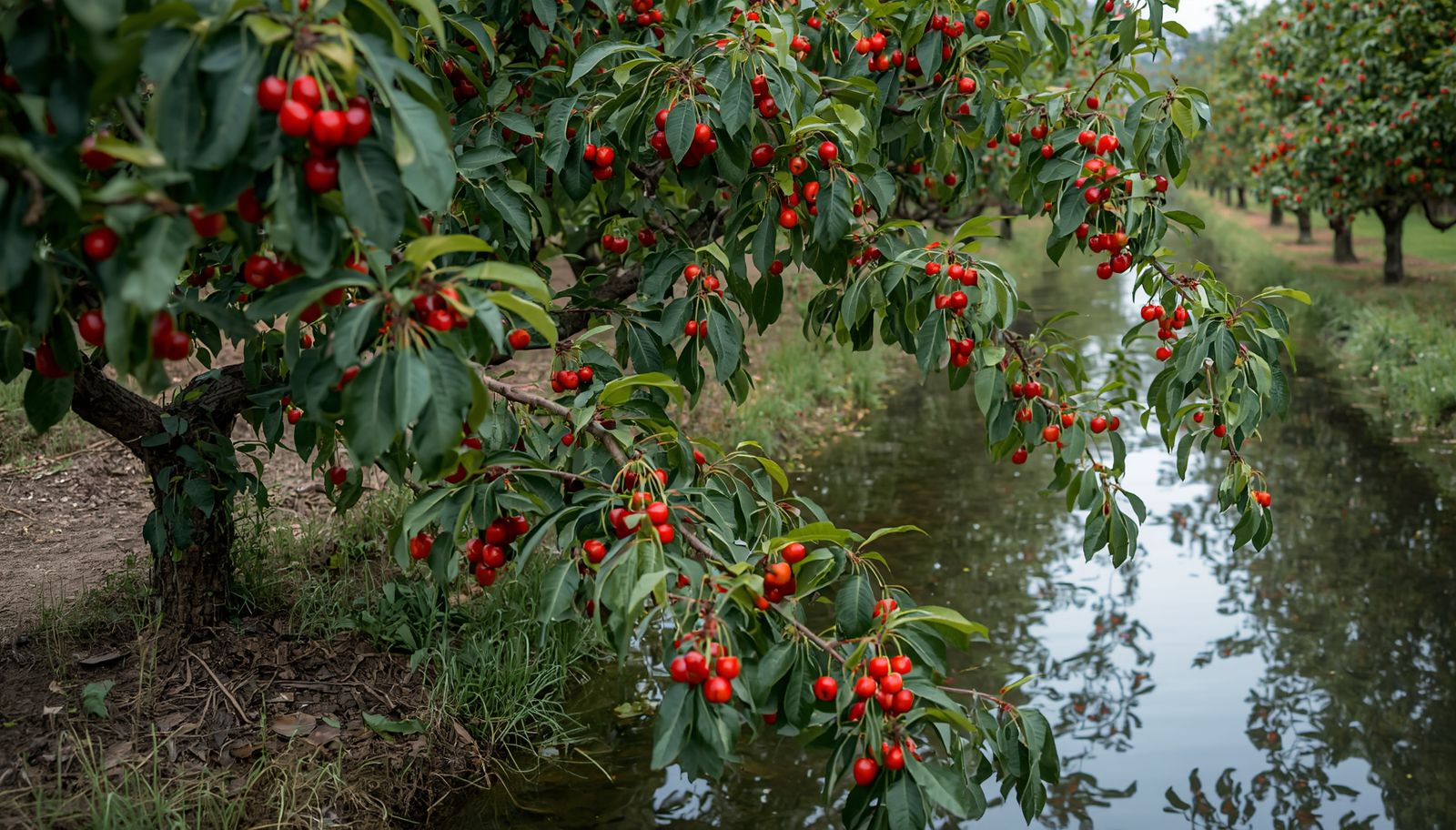
While acknowledging the drought conditions affecting the region, the association said the restrictions could threaten the viability of fruit orchards in the Greater Vernon area, which includes approximately 850 hectares of apple and cherry orchards.
The BCFGA estimates that widespread orchard losses could result in direct losses of approximately C$250 million (US$182 million), with broader economic impacts exceeding C$300 million (US$219 million) when accounting for labor, packing, transportation, and supplier activity.
“Growers understand the seriousness of the drought,” said BCFGA president Deep Brar. “But a 70 per cent reduction in agricultural water is not just a crop-production issue. At that level, this becomes an orchard-survival issue.”
According to the association, Greater Vernon’s normal agricultural allocation is approximately 550 millimetres of water per season. Under the current restrictions, growers would have access to 165 millimetres.
Brar said research has shown severe drought impacts and “agronomic death” in mature apple trees at similar water levels. The BCFGA stated that perennial orchards should be considered differently from lawns or annual crops because orchard losses can affect production capacity for multiple years.
The association is urging local governments, provincial agencies, and water managers to use an agricultural water-user meeting scheduled for June 10 to develop mitigation measures.
Among the issues raised by the BCFGA are the amount of water available to individual agricultural properties, the crop science used to evaluate orchard survival under the restrictions, options for prioritizing limited water supplies for perennial crops, and the availability of provincial support if orchards suffer permanent losses.
The association is also encouraging other Okanagan water suppliers considering similar restrictions to consult with growers and the Ministry of Agriculture and Food before implementing decisions.
In addition, the BCFGA is requesting that provincial production insurance and business risk management staff be briefed on the potential financial implications for local farms.
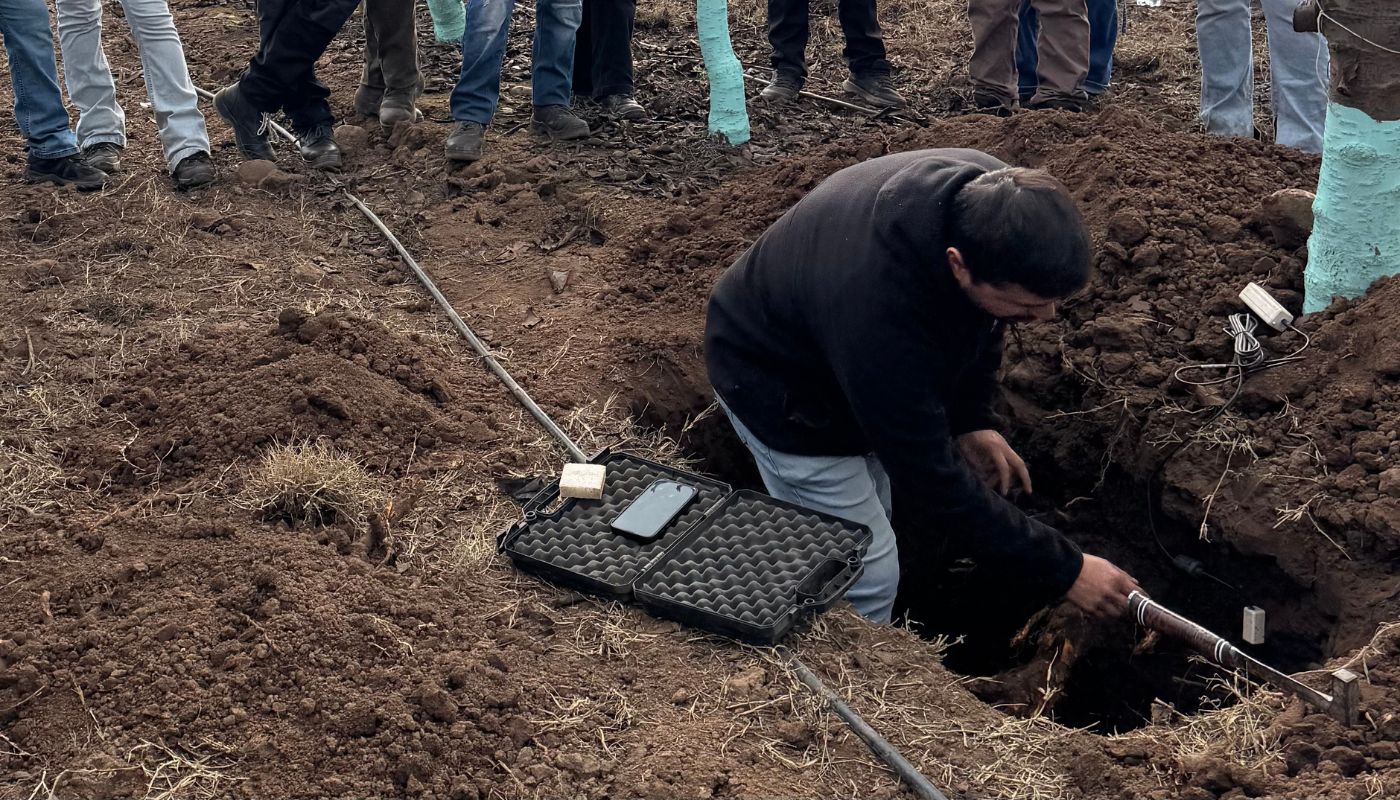
According to Brar, growers have already adopted water-saving technologies including drip irrigation, micro-sprinklers, and soil moisture monitoring systems. The association is seeking additional transparency, technical analysis, and coordinated planning to support orchard production under current drought conditions.
Source: Fresh Plaza