

The certification, carried out in conjunction with the National Agri-Food Health and Quality Service (SENASA), represents a milestone for fruit growing in Mendoza. This sanitary recognition not only guarantees the absence of the pest in the production unit, but also opens the door to more demanding markets, where phytosanitary conditions are crucial for the entry of fresh produce.
It’s worth noting that Mendoza produces cherries in areas recognized as fruit fly-free, primarily in the Southern Oasis and the Uco Valley, which cover approximately 70% of the province. Furthermore, new “Fruit Fly Free Site” (FFS) designations are being implemented in the Northern and Eastern oases to improve competitiveness in certain export markets.
Tour of the Cherry Farm
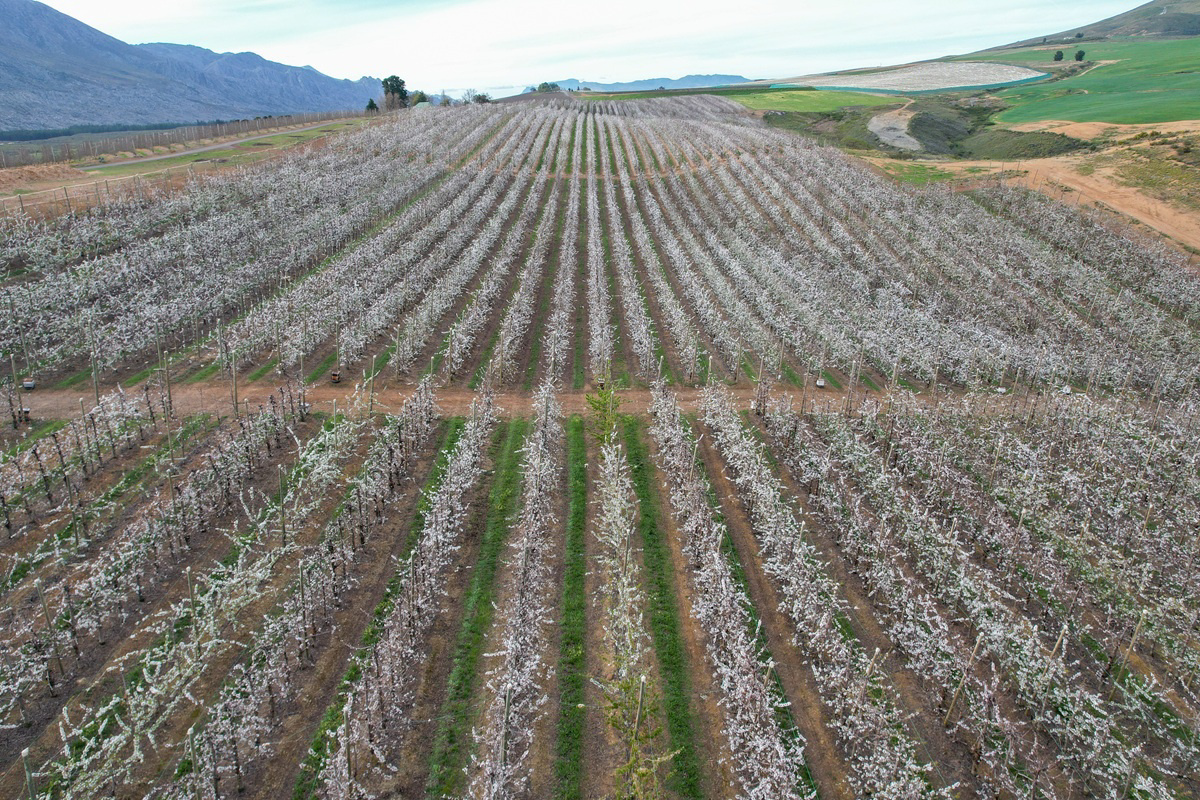
During a tour of the farm, the province’s Minister of Production, Rodolfo Javier Vargas Arizu, highlighted the strategic value of this achievement. He emphasized that the accomplishment is the result of effective collaboration between the public and private sectors, a model that—he indicated—sets the course Mendoza seeks to consolidate. Along these lines, he stressed that the province’s agro-climatic conditions allow for the production of high-quality fruit in the early stages of the season, which translates into a key competitive advantage over other exporting countries.
“We have never recorded any instances of the pest being captured,” noted Diego Aguilar, the farm’s representative and one of those responsible for the process. He explained that this certification allows cherry producers to consider new markets: “It opens the possibility of accessing markets that require pest-free areas and allows us to project exports of early fruit, which significantly improves profitability.”
The Santacroce farm’s experience is being promoted as a model for other producers in northern and eastern Mendoza, regions considered to have low prevalence of the pest, where the designation of a Pest-Free Site or Production Area offers a key advantage in terms of both sanitary and commercial aspects.
ISCAMEN also highlighted the impact of the certification. Officials from the agency noted that this system allows producers to improve their competitiveness, while generating added value and expanding commercial opportunities. The Santacroce farm, in this sense, serves as concrete proof that it is possible to advance toward higher sanitary standards even in areas where the pest has not yet been completely eradicated.
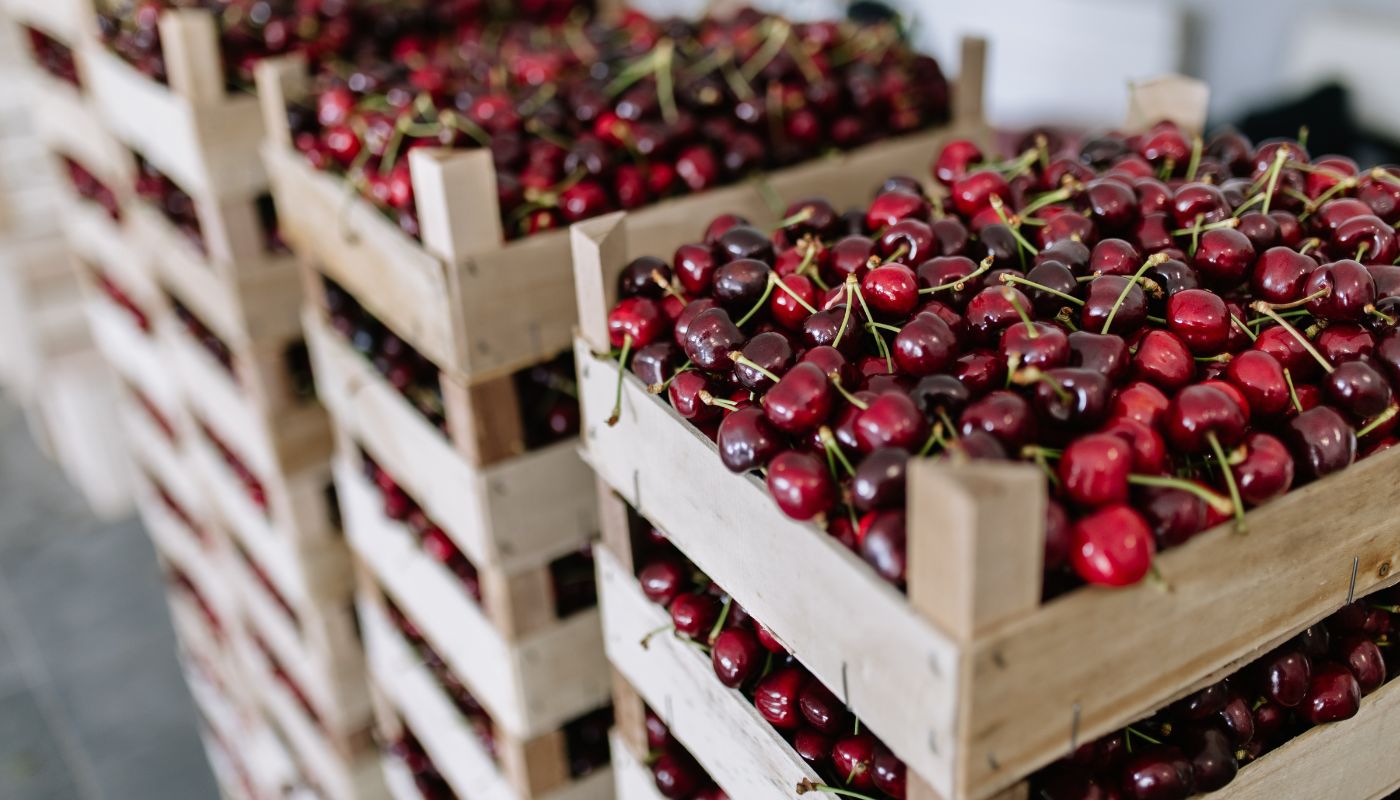
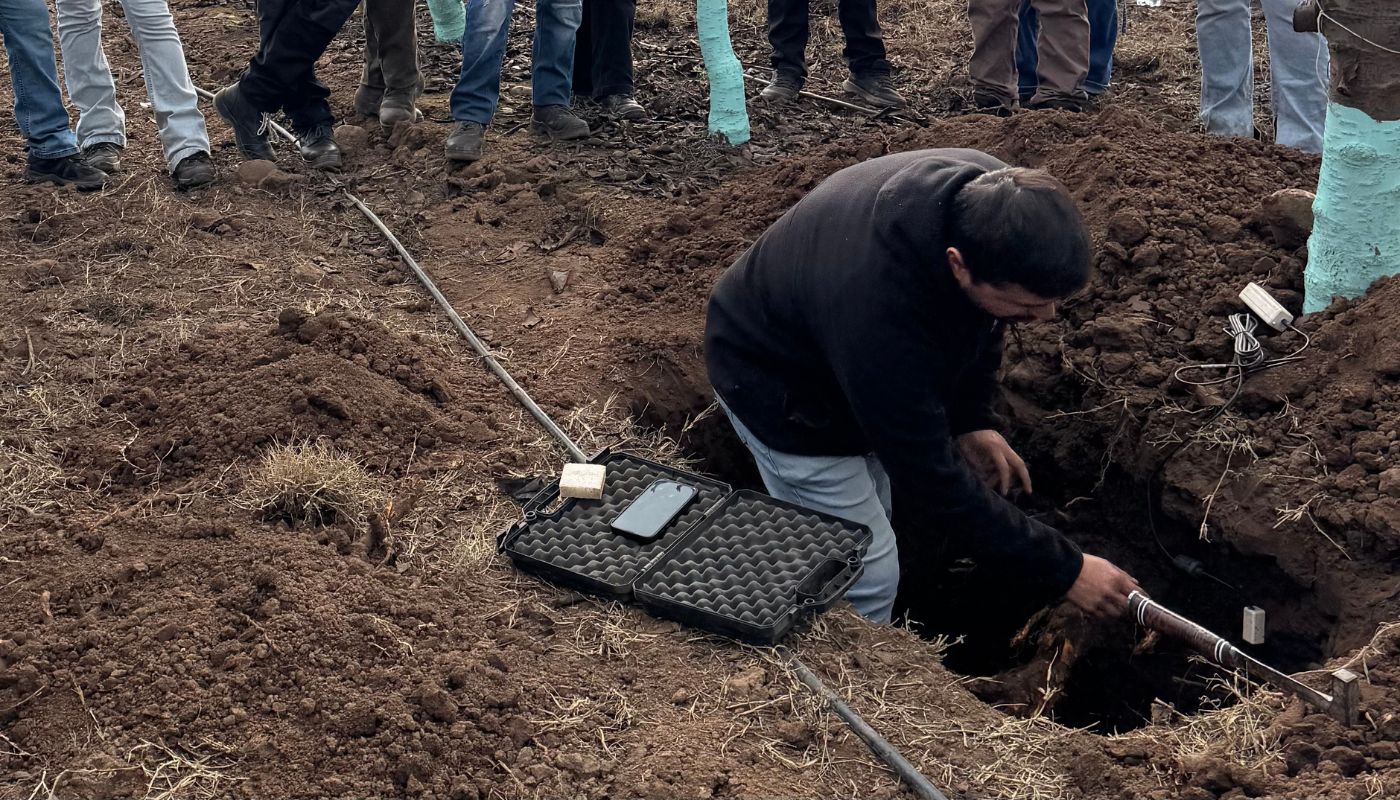
The testimony of the production sector reinforces this idea. Representatives from the certified farm itself emphasized that the process was the result of years of sustained work with health authorities. The implementation of specific protocols, intensive monitoring, and ongoing controls allowed them to achieve the goal without any recorded Mediterranean fruit fly captures. This achievement has a direct impact, especially on cherry production, one of the crops with the greatest export potential in the province.
Improved Market Access
The possibility of certifying a Pest-Free Production Site means, in concrete terms, that the fruit can access international markets without the need for additional quarantine treatments. This not only reduces logistical costs but also improves the final quality of the product by avoiding processes that can affect its condition. As a result, profitability increases and opportunities for access to high-value markets expand.
The certification of the Santacroce farm falls under SENASA Resolution 137/2026, which regulates this type of recognition. This progress complements a provincial sanitary scheme that is already showing significant results: currently, nearly 70% of Mendoza’s territory—including the Southern Oasis and the Uco Valley—is recognized as fruit fly-free.
In contrast, the Northern and Eastern oases are still considered areas of low prevalence. However, the implementation of Pest-Free Production Sites emerges as a strategic tool for making focused progress in pest control. Unlike traditional approaches, this system allows for the certification of individual establishments, which speeds up the process and optimizes resources.
In parallel, other complementary actions continue to be developed, such as the deployment of sterile insects to reduce the pest population, a technique widely used internationally. These measures are part of a comprehensive strategy that combines technological innovation, sanitary control, and institutional cooperation.
With this new step, Mendoza reaffirms its position as one of the leading producers of quality fruit in Argentina. The certification of the first Mediterranean fruit fly-free farm in the Northern Oasis not only sets a precedent but also opens a horizon of growth for the entire sector. In an increasingly competitive global landscape, plant health is consolidating itself as a key factor for economic development and international integration.
Source: Más Producción