

Climate resilience involves not only adapting to new conditions but also anticipating and managing risks in an integrated manner. The combination of technological innovation, agronomic knowledge, and long-term planning is key to sustaining cherry production in a changing climate.
This professional shares the same opinion, stating that technology and knowledge are what can protect us from the extremes of climate change and, therefore, offered valuable recommendations when preparing these types of fruit trees.
From a meteorological perspective, in central Chile, especially in the O’Higgins, Maule, and Ñuble regions, climate change is manifesting itself in warmer springs and summers, with regard to extreme maximum temperatures, as well as a significant and persistent decrease in precipitation and snowfall.
A progressively slow trend in the accumulation of chilling hours is observed, especially starting in May. This trend becomes more significant during periods of warm El Niño events.
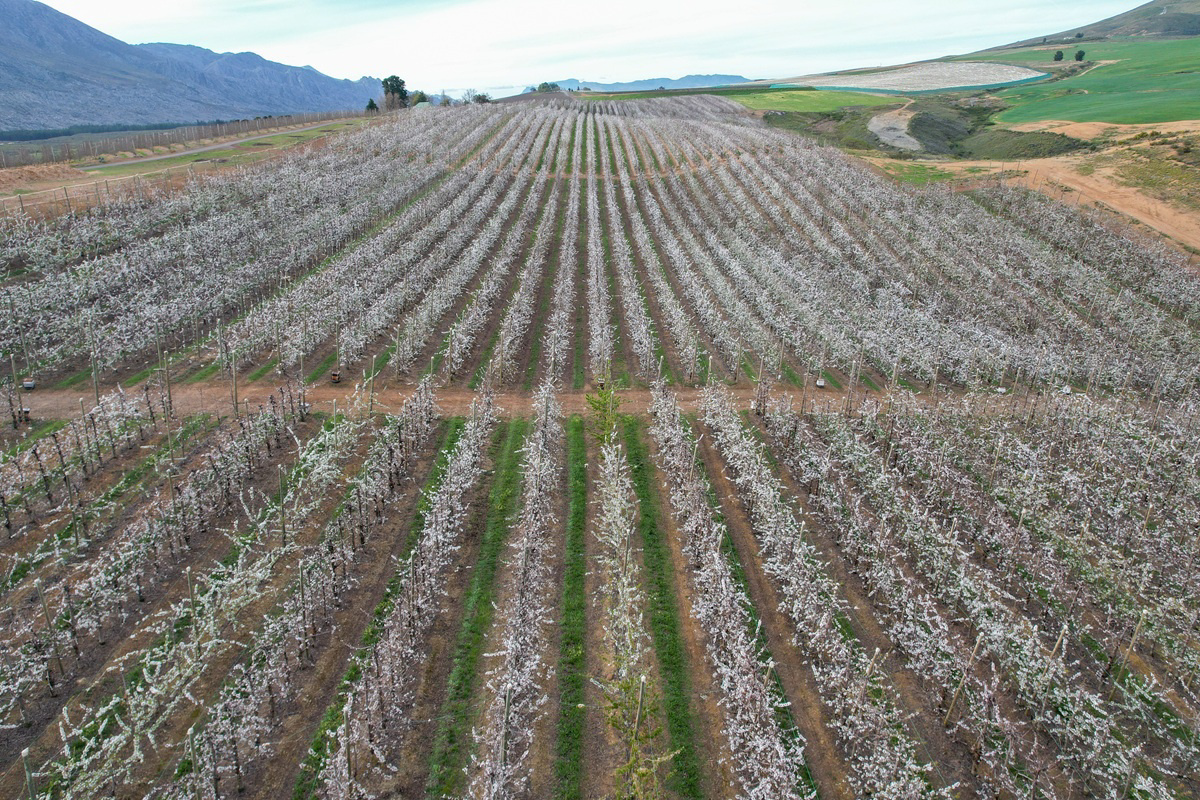
Given this background, in the specific case of cherries, it is crucial to maintain irrigation and protect orchards from high temperatures, which typically reach between 37 and 38°C. Another risk associated with spring is hail; this phenomenon can be mitigated by covering orchards—which prevents such hail from causing practically irreversible damage—and by implementing meteorological stations to monitor these variables and monitor forecasts 24 to 74 hours in advance.
“Fruit trees need water because there is a relationship between evapotranspiration and the dry matter they create, so if we don’t have enough water, fruit quality will be impaired. With the summer heat, daily evapotranspiration rates rise, increasing irrigation needs and water availability. Spring is also getting warmer, which, combined with the ongoing severe drought in the central region, creates a risky environment every season. Caution with heat waves, which generate extreme maximum temperatures that can negatively interfere with photosynthetic processes, must be mitigated through actions such as increasing irrigation technology to avoid unnecessary water applications and times, which will become more scarce in the future as a result of climate change”, stated Patricio González Colville.
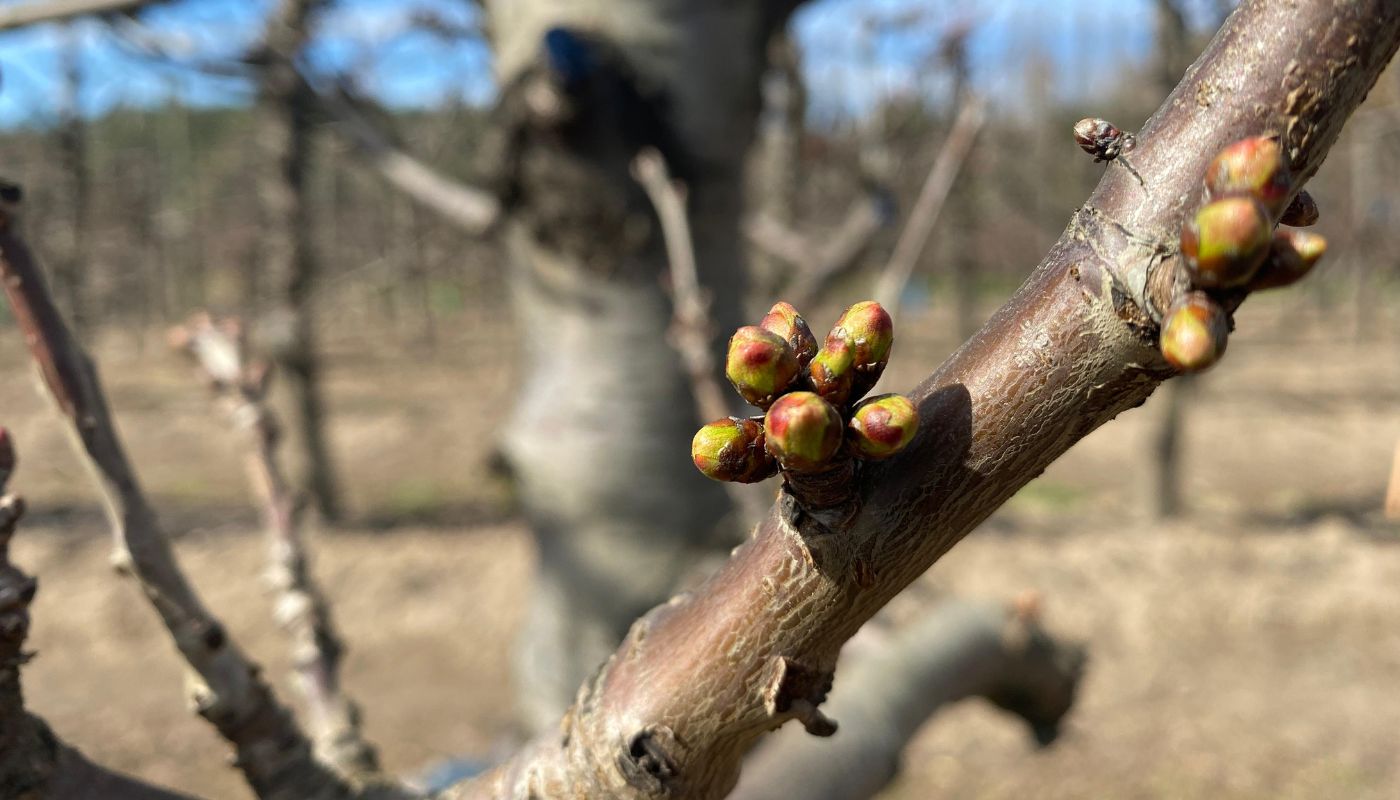
“Another characteristic resulting from global warming is the slower accumulation of chilling hours in the central region of the country, especially in the month of May. This is very important for fruit trees to achieve positive winter dormancy.” In some ways, the winter cold snaps may be delayed; perhaps the seasonality that may be occurring in Mediterranean climates, with longer summers and shorter winters, could be influencing the winter warmth trends during the late autumn months. This slight trend has been noted by the few frosts being recorded during May. In the case of Curicó, when counting frosts from 2020 to 2025, this cold event was recorded in 2022 and 2024, with only two frosts each month, respectively. Analyzing a thirty-year period, the days with winter frosts indicate a decreasing trend, as does their intensity. However, they continue to pose a risk to agriculture, mainly during September”, the agroclimatologist added.
Under this indicator, while we won’t have problems with chilling hours in the next five years, there will be alternating periods year after year. Given the current climate uncertainty, growers are advised to have weather stations to monitor these events and thus avoid physiological damage to spring flowering.
Irrigation Technology
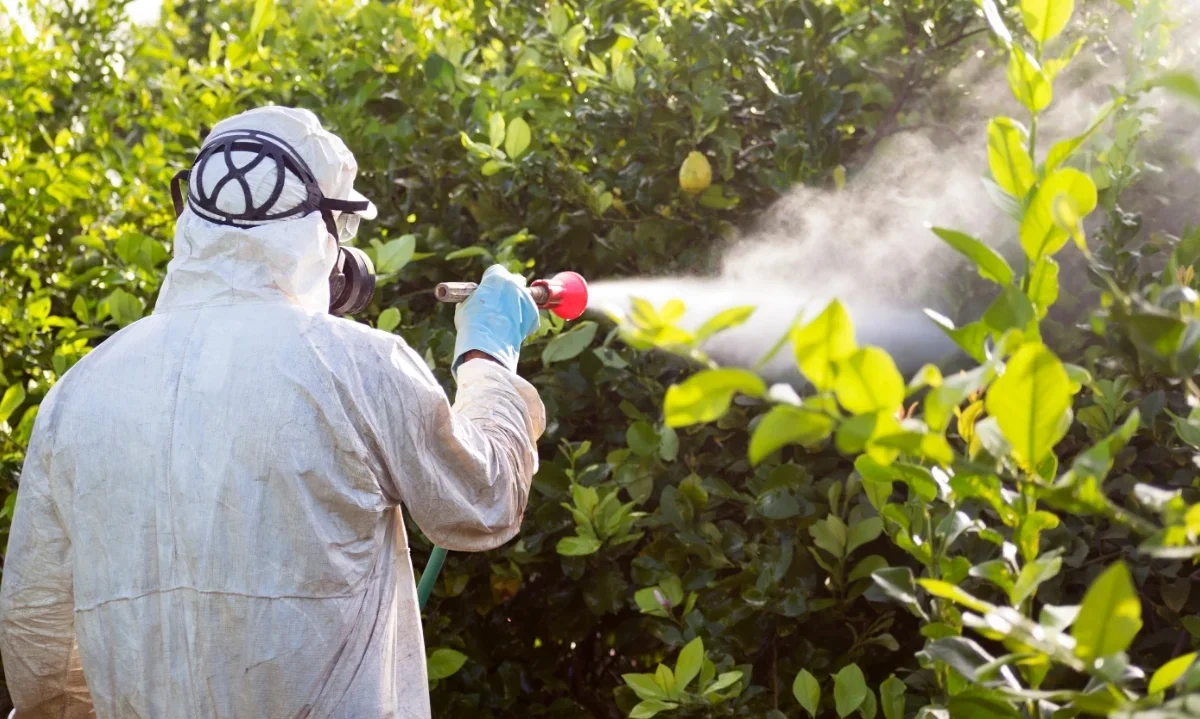
Because extreme weather events cannot be avoided, the recommendation is, on the one hand, to increase irrigation technology and instrumentally monitor chill hours in each orchard. If the fall-winter season is cloudy, the use of rachet nets can mitigate direct radiation and thus contribute to better cold accumulation in the orchard. Also, the use of retractable covers is recommended in case of a risk of spring hailstorms.
“Agriculture must understand that it is facing extreme climate change with intense heat in both spring and summer, contributing to significant daily water loss. Therefore, the use of rachet nets in summer can also help reduce evapotranspiration”, said Patricio González.
After the withdrawal of the La Niña phenomenon in April, and given that the El Niño phenomenon will not occur in 2025, a neutral situation is projected in the central equatorial Pacific Ocean. However, extreme rainfall patterns will continue in short periods, followed by frost, clear days, and cold, all of which should favor the accumulation of chilling hours. However, climate models estimate likely rainfall deficits in central agricultural areas. Therefore, it is crucial to conserve water and improve irrigation technology, line canals, prevent leaks, and rationally utilize snow reserves, which are essential for irrigation in the 2025-2026 season.
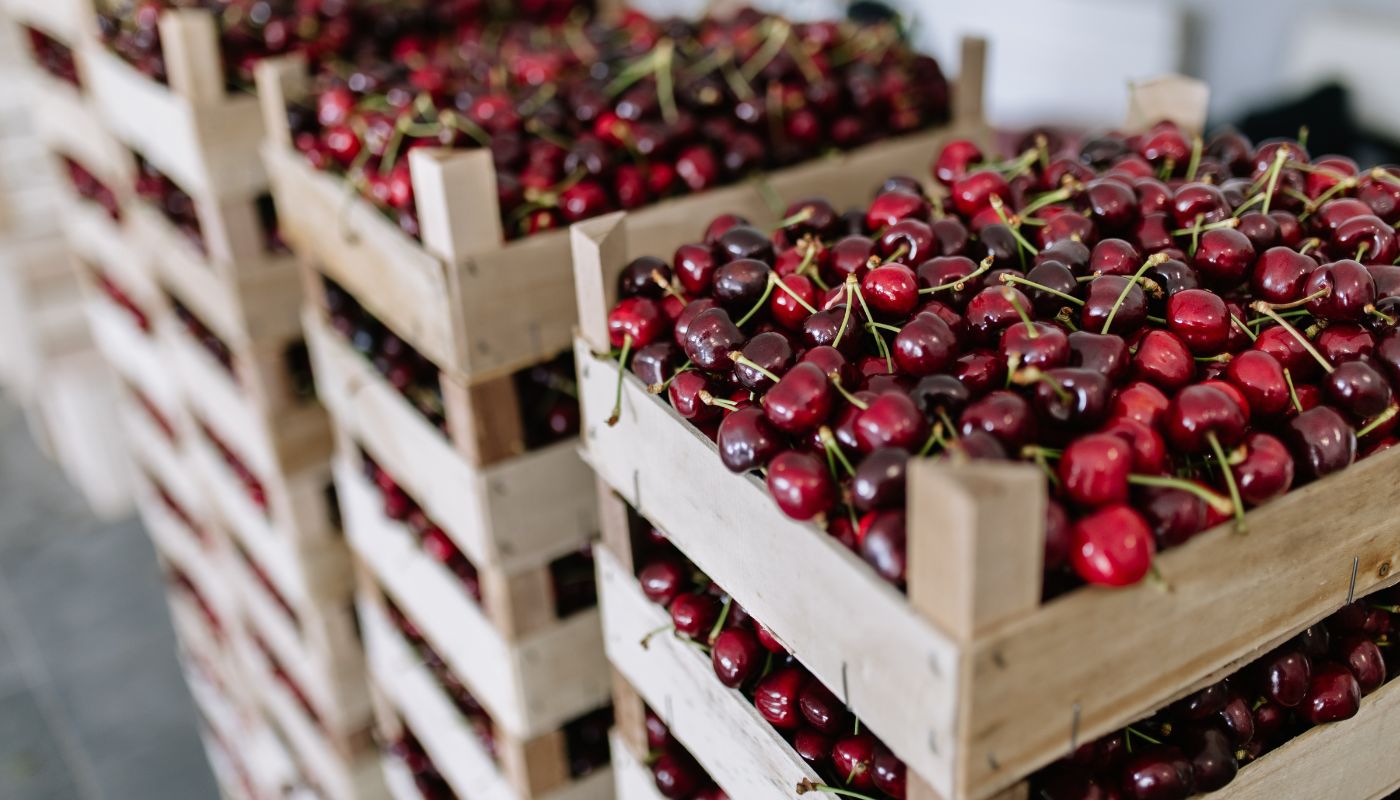
“The heat begins in October (highs above 30°C), and given the warmth of spring, water loss can occur early in the calendar, so we must protect this vital resource. Solar radiation and water are the two elements that contribute to photosynthesis, which will produce exportable-quality fruit, and this is ensured by always having water available for the crop”, the professor recommended.
He added: “It is essential to have a well-equipped irrigation system and to pay close attention to weather forecasts, considering that the climate has become much more variable and presents significant differences between locations. There will always be some damage due to climate change, but technology can help mitigate losses significantly. Climate change is a measurable fact, reflected in the decrease in precipitation and snowfall, as well as in early and intense heat waves, against which technology and knowledge are the best protection tools”.