
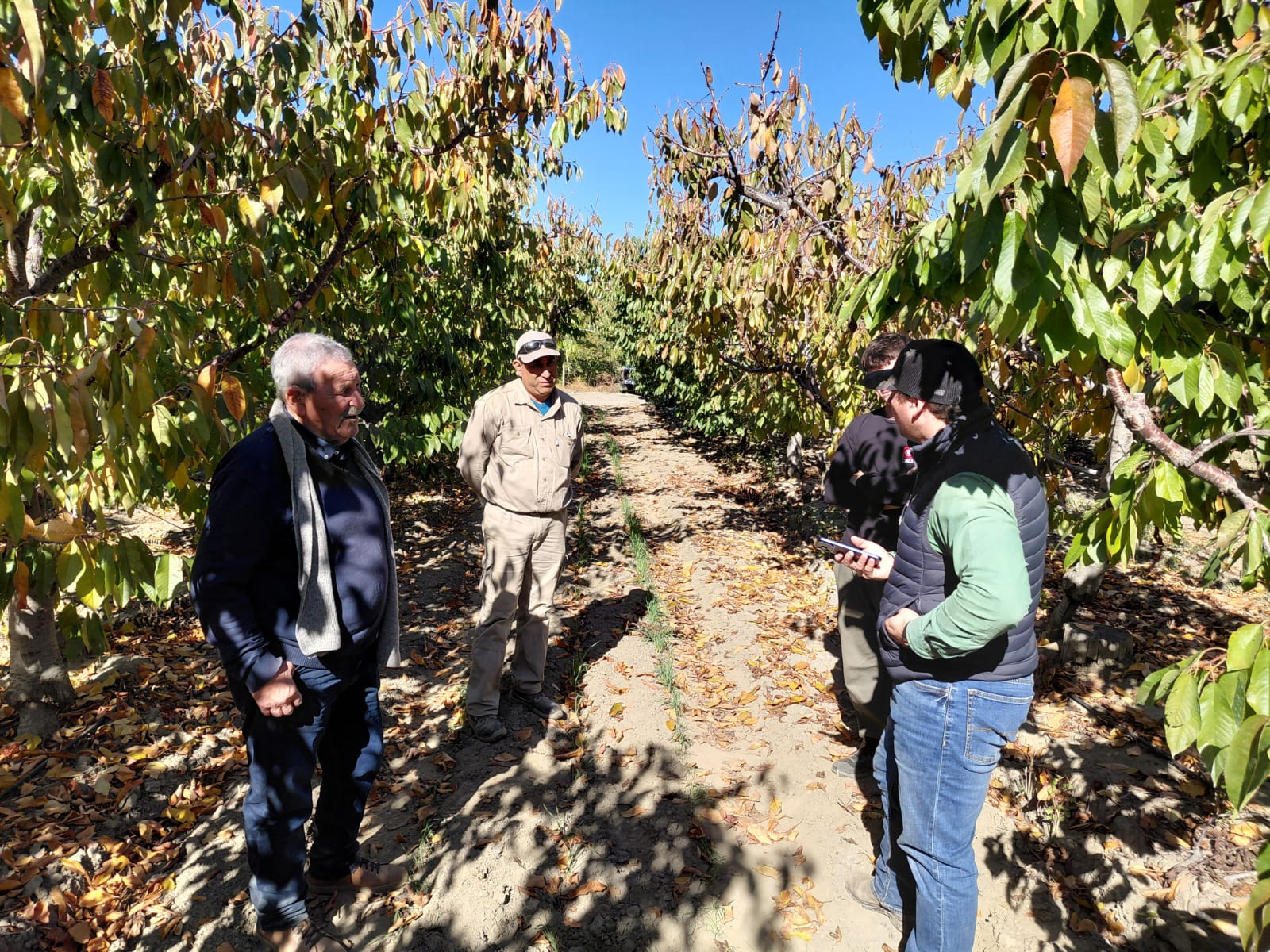
The Ministry of Production, through its Directorate of Agriculture, in conjunction with the Mendoza Cherry Chamber, launched an important sector strengthening program designed to provide Mendoza producers with concrete tools.
With the goal of promoting the development and growth of this important economic activity in Mendoza, the Mendoza Cherry Chamber, together with the provincial government, advanced this initiative, which included the addition of Felipe Salaya (Chile) and Bruno Giorgis (Argentina) as advisors.
Regarding this, Alfredo Draque, Director of Agriculture for Mendoza, commented: “For us, moving forward with this initiative is of utmost importance. Mendoza is a leader in cherry production, and this allows our producers to be the first to reach various international markets with competitive prices and quality.”
“While there is still much to be done, our producers have been working diligently to incorporate technology and knowledge in order to increase production, improve the quality of their products, and boost this sector, which has great potential for development in our province,” the official added.
In turn, Facundo Quirós, manager of the Mendoza Cherry Chamber (CCM), added: “This is possible thanks to the collaborative work between the public and private sectors. The Government of Mendoza has been consistently supporting us to achieve the goals we have set for ourselves as the representative institution of the sector in Mendoza, and that deserves recognition.”
Quirós emphasized the need to continue strengthening this work so that every Mendoza producer can incorporate technology and innovate in their daily operations. “Here, support is fundamental. Whether through specific advice, as in this case, or through accessible financing options tailored to the needs of our partner producers,” he concluded.
Regarding the advice
Felipe Salaya, one of the Chilean advisors involved in this initiative, is an agronomist and cherry production specialist. His experience has focused primarily on technical consulting, working on production management, crop physiology, nutrition, irrigation, and strategies to improve the quality and profitability of the fruit business.
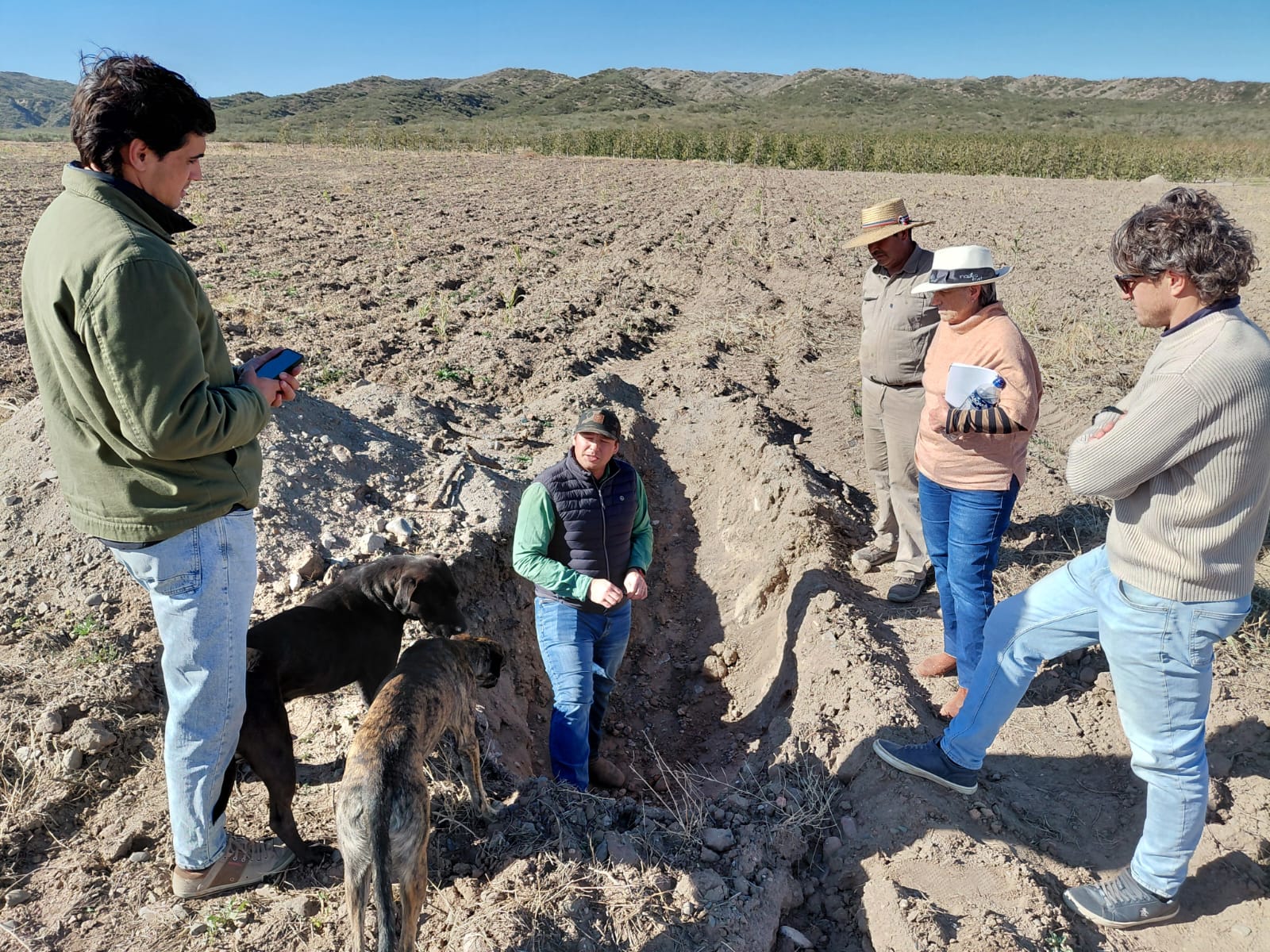
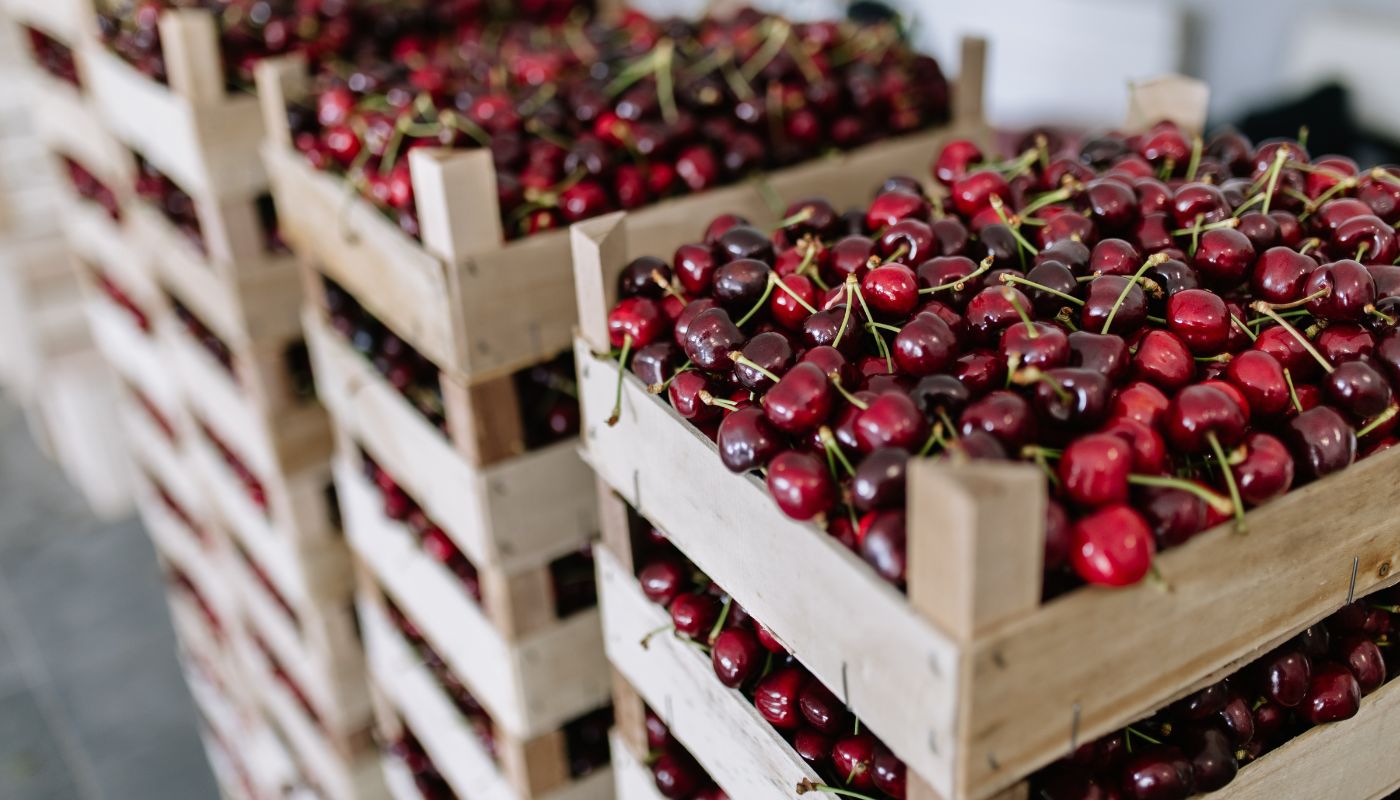
“I see interesting potential in early cherry production and the possibility of making significant improvements through relatively simple technical adjustments that are truly well executed. This early production allows Mendoza producers to capture better prices in the domestic market, but there is also a significant opportunity to improve production efficiency,” he emphasized.
When asked about his observations during the consulting process in Mendoza, Salaya commented: “I’ve observed highly variable management and results in the productions I’ve visited, even among producers in the same area. It’s also clear that many decisions are based on experience or intuition rather than more objective measurements, leading to inconsistencies between production periods.”
While Salaya understands that Mendoza’s current production system functions, “it’s not being optimized. Many things are done well, but in a misaligned way. Irrigation and fertilization are done well, but not necessarily with an integrated approach aimed at a clear production goal. This results in highly variable and unpredictable outcomes, which, in a business like cherry farming, ends up being a relatively significant problem. Today, the challenge isn’t to do more things, but to do them better than they’re already being done.”
The Role of institutions
Regarding the importance of representative institutions in the private sector, the Chilean advisor highlighted: “The work being done by the CCM is very positive. Especially in how it has been coordinating technical support with producers, which is fundamental to strengthening the production base. Furthermore, the joint work with the Ministry of Production of Mendoza allows for greater representation of the sector.”
“This ends up being key to moving forward in an orderly manner. All of this impacts not only improved productivity but also the visibility of cherries as a real and profitable investment alternative within the province. What is being built in Mendoza is very good because it combines representation, technical support, and business projection, which are ultimately the fundamental pillars that sustain the growth of the industry as a whole.”
Innovating to grow
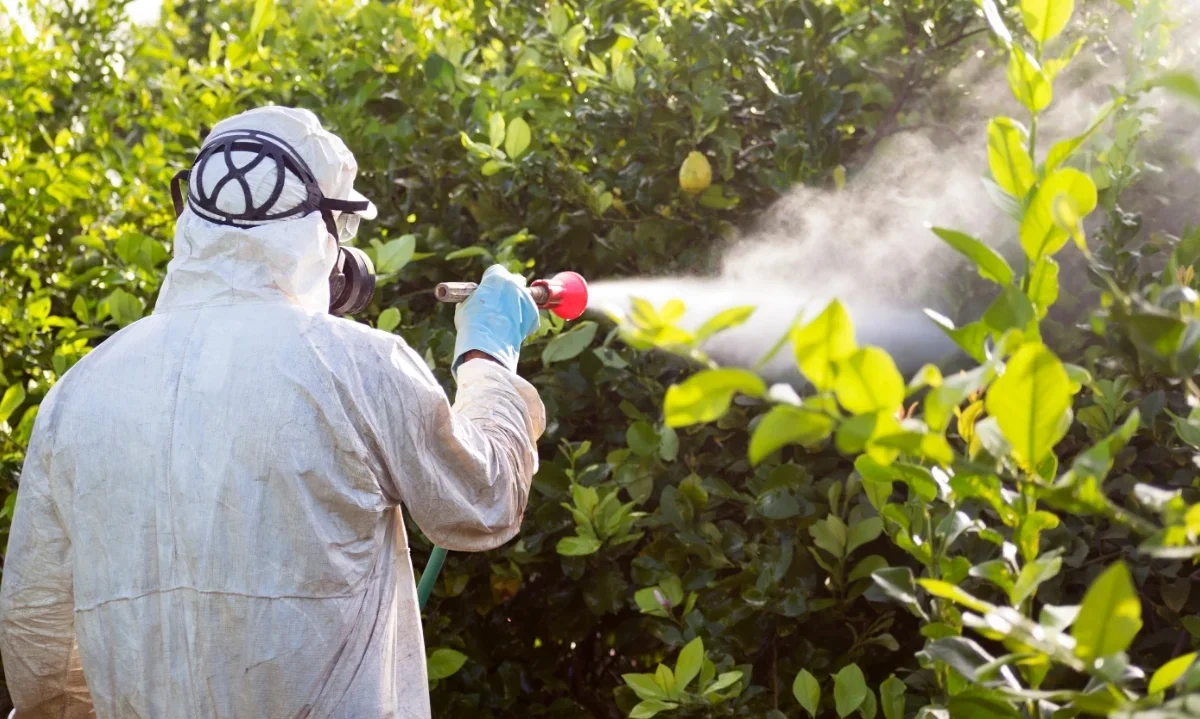
According to Salaya, incorporating technology into the daily operations of the business is not optional. It is essential. However, not just any technology can be incorporated. It is fundamental that everything incorporated must help the producer make better decisions and not just provide data.
“Today we see many cases where sensors and tools are installed, but they aren’t used correctly or don’t translate into concrete actions. When technology is implemented well, it reduces uncertainty and allows us to anticipate problems. It enables us to make finer adjustments in a timely manner,” the specialist argued.
Variable management, diverse results
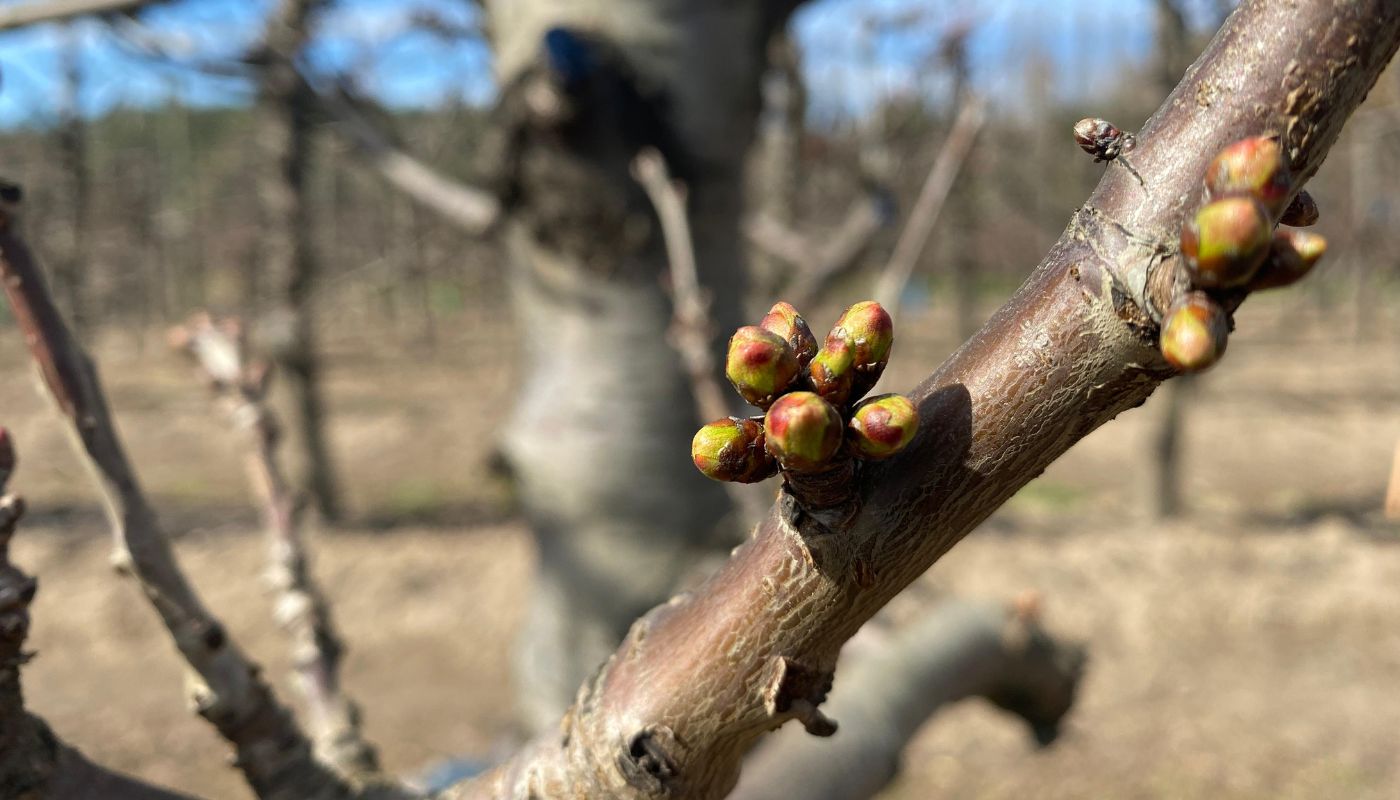
Inconsistency in production management leads to diverse results. Quality isn’t defined solely at harvest; it’s built throughout the entire season, from the orchard’s structure to water management.
“Therefore, improving management consistency is key to standardizing and sustainably raising quality. This is what the Mendoza industry linked to this sector must address, considering the early production they have,” Salaya emphasized.
A promising future for Mendoza
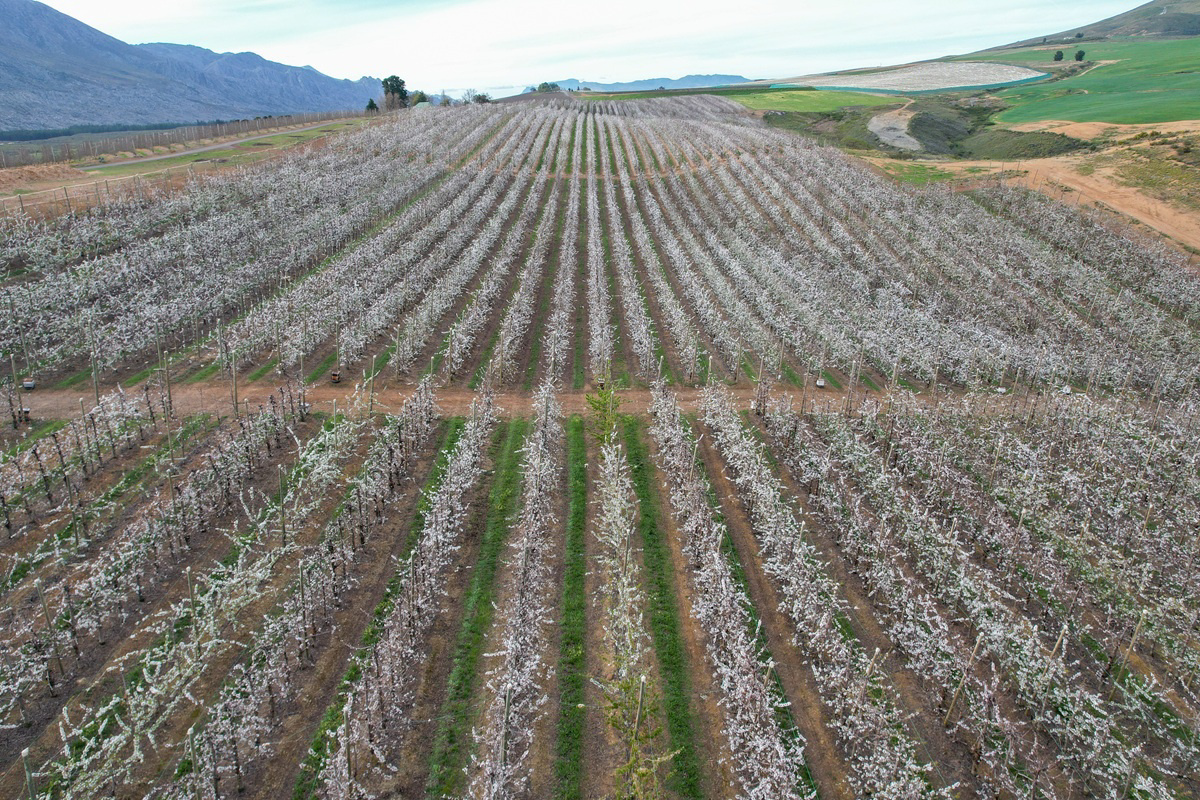
The Chilean consultant highlighted the future of cherry production in Mendoza. In his view, Mendoza presents a very clear opportunity, especially with early production, which can command very good prices and become an attractive alternative within the province’s production system.
“For this production development to be sustainable over time, it is crucial to begin standardizing management practices and establishing solid technical foundations that allow projects to evolve in a more stable and predictable way, especially for future projects developed in Mendoza. If progress is made in this direction, Mendoza has all the necessary conditions to consolidate itself as a key cherry-producing region in Argentina,” he concluded.
Source: Mendoza Government website