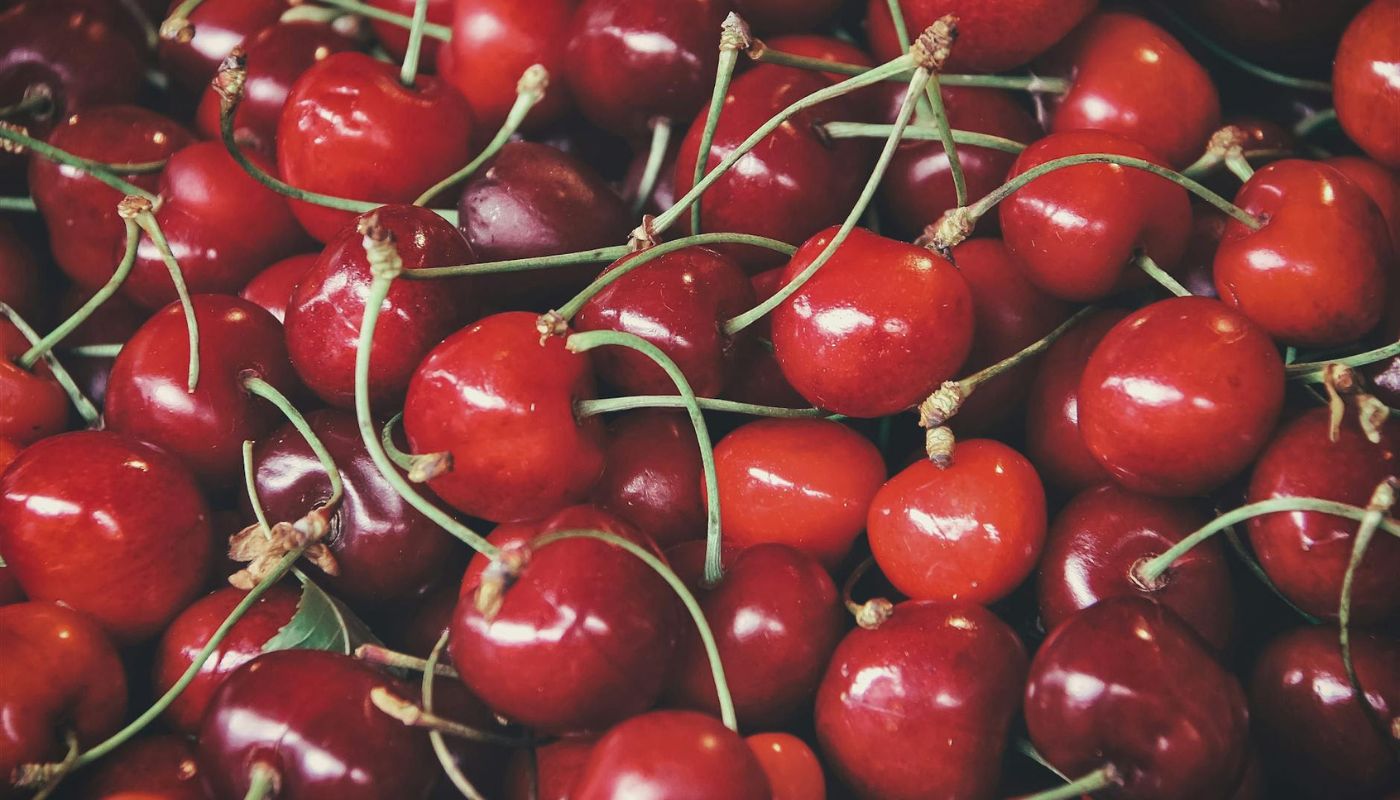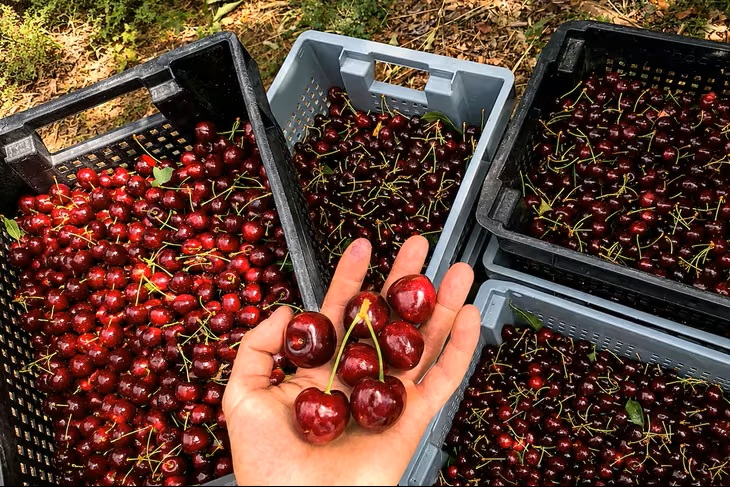


The product of abnormal weather, this is the earliest beginning of the season ever reported by the company, which warned that the change in schedule comes with a significant 50 percent year-on-year production drop.
“Many of the early cherries flowered during an exceptionally hot week at the end of August,” says Calla du Toit, Procurement Director at Tru-Cape Fruit Marketing. “We believe the heat shortened the effective pollination window, resulting in poor fruit set.
Warmer-than-usual conditions were followed by cold weather, the executive added, which may also have contributed to some cold damage. However, Tru-Cape stressed that despite the lower volumes, fruit quality remains excellent, “with fruit sizes up to 30 millimeters and high sugar levels.”
“Although we would naturally prefer a bigger crop, the smaller harvest means we can pay closer attention to picking each cherry at its optimal maturity, with sufficient labor available to do so,” du Toit added.
Tru-Cape focuses on local retail but keeps an eye on exports
The company expects lower volumes and limited availability, combined with strong local demand, will underpin prices, making growers the big winners of this early season start.
In this scenario, Tru-Cape said it will prioritize established retail programs in the domestic market this season, with retail partners Food Lover’s Market, Freshmark, and Pick n Pay.
“Last year, we exported about 15 percent of our cherry crop. This season, we hope to increase that to 20 percent,” Johan Brink, Tru-Cape’s sales director, says the company is also hoping to grow its export business. “However, due to the smaller crop and strong local prices, export decisions will need to be carefully weighed against the risks and costs involved.”
Source: Fresh Fruit Portal