

According to Minister of Economy Gevorg Papoyan, the value of agricultural exports reached approximately $943 million between January and August 2026—a 5% decrease from the $990 million recorded a year earlier. Nevertheless, exports of canned fruits and vegetables grew by 18%, while exports of dried products increased by 64%.
Fresh fruit exports were impacted by lower harvests and temporary restrictions on shipments to Russia. Apricot exports fell from over 40,000 tons in 2025 to approximately 12,000–13,000 tons in 2026, partly due to crop losses caused by adverse weather conditions.
In 2025, Russia accounted for 93% of Armenian fruit exports and 98% of its vegetable exports, according to the Armenian Center for Socio-Economic Studies. Shipments to Russia were valued at $104 million for fruits and $86 million for vegetables.
Armenia also supplies fresh produce and processed food products to neighboring markets. Between January and July 2026, Georgia’s imports of fresh apricots, cherries, peaches, and plums from Armenia reached $2.3 million—an increase of 46.9% compared to the same period the previous year. In 2025, Armenia exported processed fruits, vegetables, and nuts valued at $1.67 million to Kazakhstan and $4.65 million to the United States.
The EU imported Armenian agri-food products worth €26 million in 2025, representing a year-on-year increase of 14.8%. Processed fruits, vegetables, and nuts accounted for approximately €3 million of this trade.
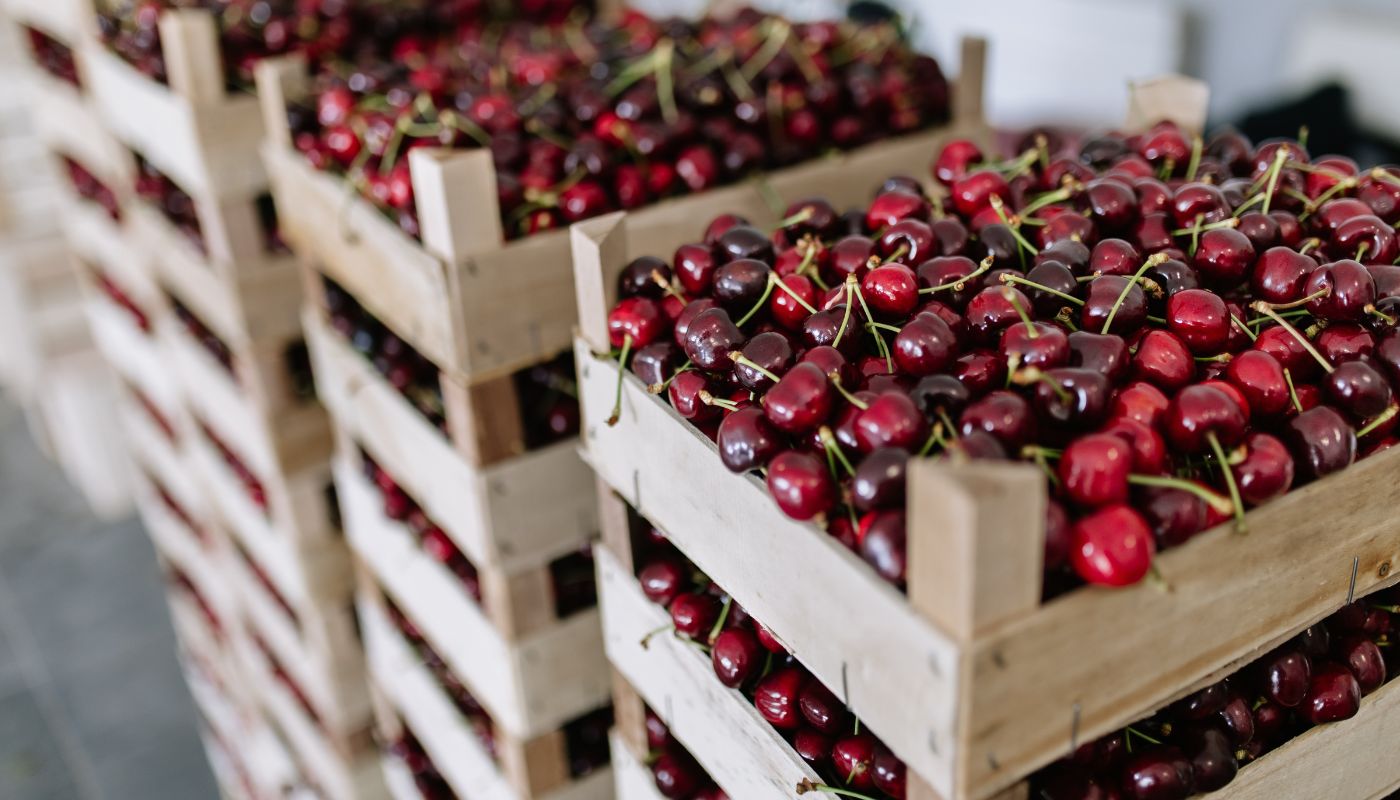
As of October 10, 2026, the EU introduced a temporary preferential trade regime for certain products of Armenian origin, valid for two years. The measures eliminate ad valorem import duties on specific goods, while preferences for some agricultural products are applied within the framework of tariff-rate quotas. Eligible products include apricots, grapes, cherries, peaches, and plums.
Armenia is also developing trade ties in the Middle East. In September 2026, additional shipments of fruits and vegetables began through Watermelon Ecosystem, a Dubai-based company. In October, the Ministry of Economy held discussions with the Omani group SABCO regarding potential supplies of mineral water, juices, and canned goods.
In 2026, Armenia expanded programs to offset a portion of the export costs incurred by agricultural producers. The products covered include certain fruits and vegetables, flowers, food products, and beverages.
The government allocated approximately €11 million to cover obligations incurred in August under export support programs and initiatives for the procurement of agricultural raw materials for processing. Products covered by these support schemes include tomatoes, peppers, peaches, and bottled wine.
Source: Fresh Plaza