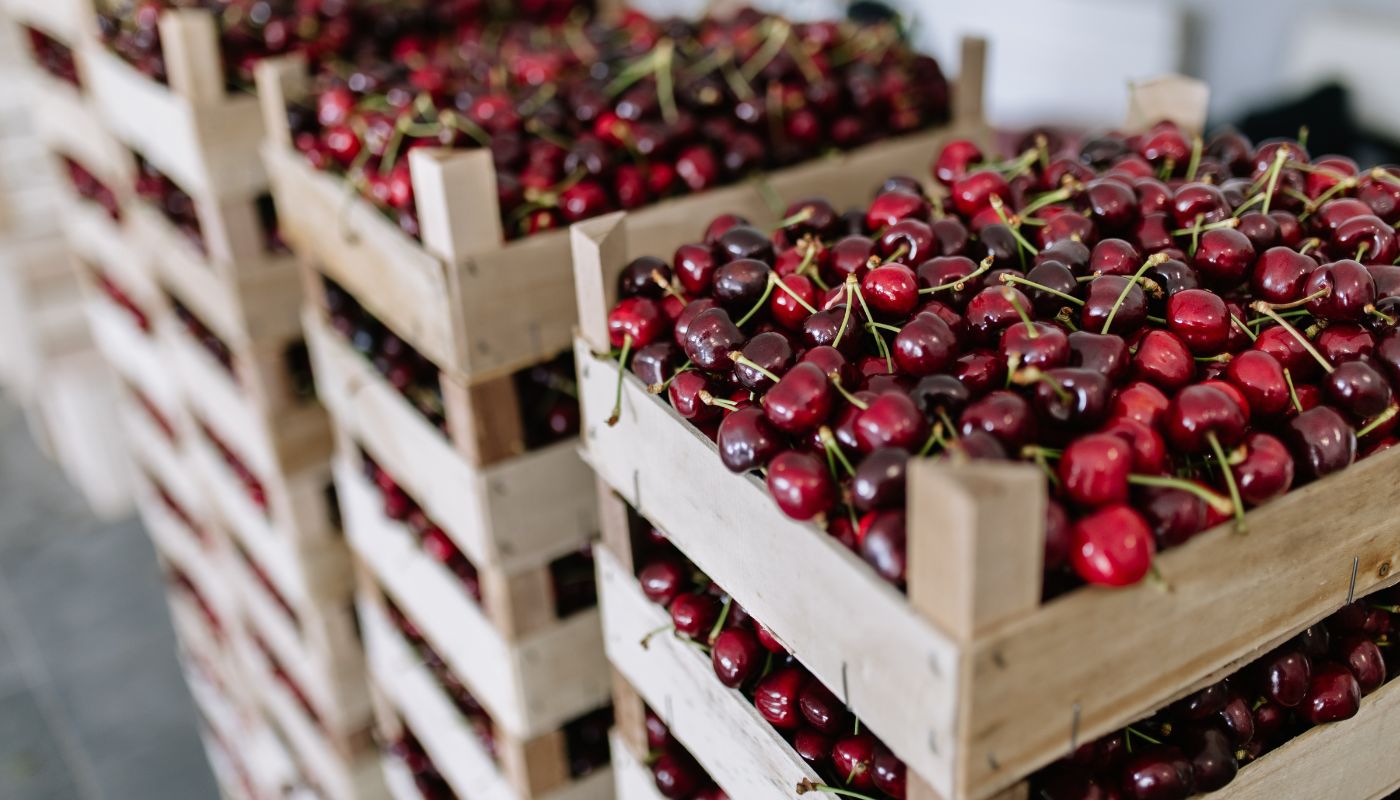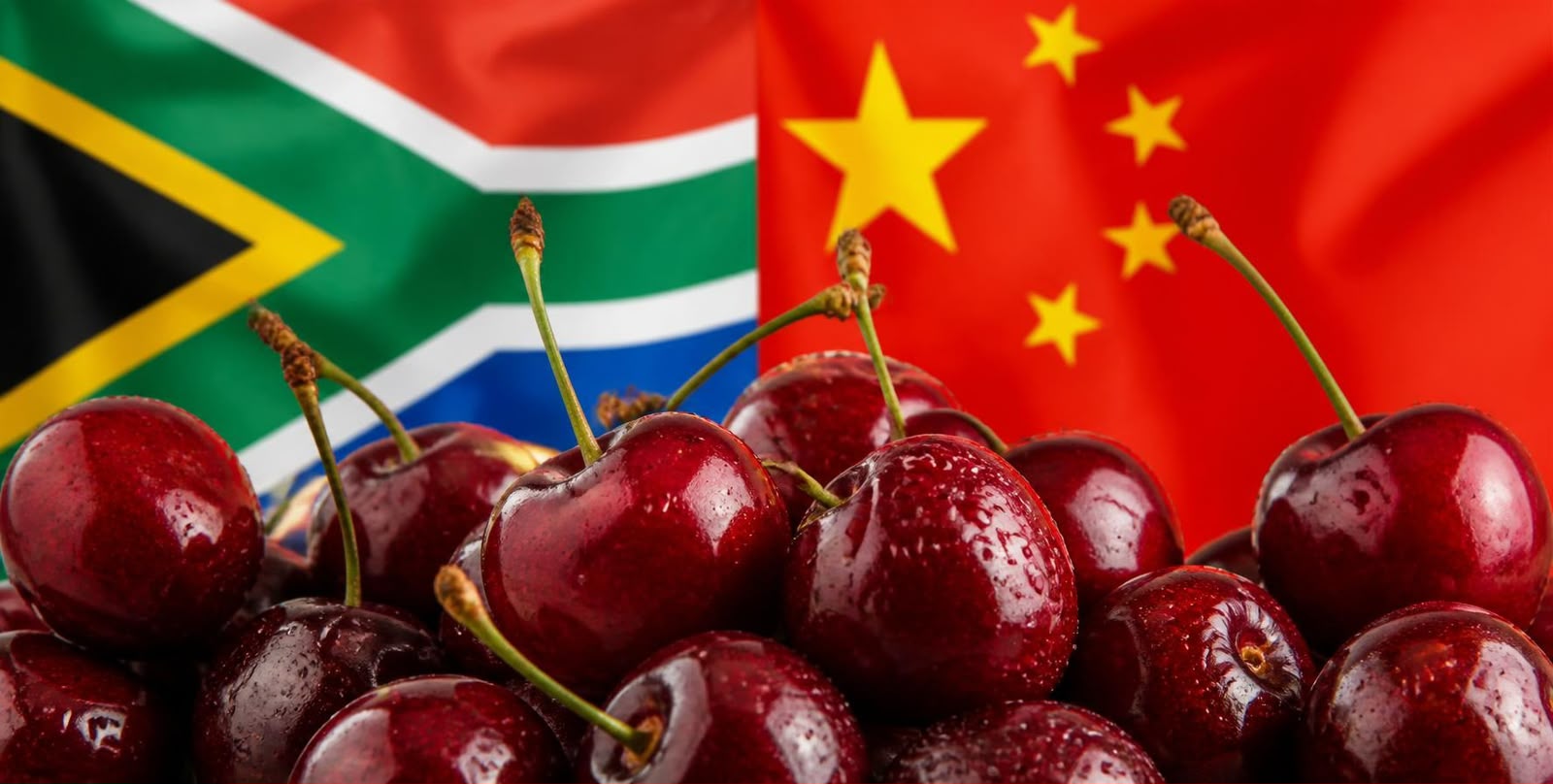


The 2025/26 Chilean cherry season in China officially entered its peak phase on December 5th, marked by a key milestone: the arrival of the first Cherry Express vessel at the port of Nansha, in Guangzhou. The MSC Lome V unloaded approximately 370 refrigerated containers—equivalent to about 8,000 metric tons—of fresh cherries from the port of San Antonio, Chile, initiating a busy trading period for one of Chile’s flagship fruit exports.
To put the significant volume into perspective, this first shipment represents, in tonnage, the total amount of Argentine cherry exports from the previous season.
Upon arrival, the fruit underwent customs inspections before being distributed via a strict cold chain to wholesale markets and storage facilities throughout the country. However, along with this season’s opening comes a highly competitive and challenging scenario for Chilean cherries, which will have to demonstrate their ability to meet the logistical, commercial, and quality demands of the Chinese market.
Iván Marambio, president of Frutas de Chile, highlighted that this year the number of Cherry Express services has doubled, reaching 32 direct trips from Chile to China. “Thanks to this highly efficient logistics system and the modern cold chain and modified atmosphere technologies that naturally preserve freshness, Chilean cherries can travel more than 20,000 kilometers and reach the Chinese market in just 23 days, with exceptional quality and freshness,” he stated.
Key port infrastructure, but with increasing pressure
One of Nansha’s major competitive advantages is its port infrastructure. There, a single-building cold storage facility is located adjacent to China’s largest port, allowing processes such as unloading, inspection, storage, and distribution to be carried out without breaking the cold chain. This efficiency is essential to handle the significant increase in supply expected during December and January, the peak consumption period leading up to the Lunar New Year.
Port staff have developed an operational plan specifically designed for the cherry season: dedicated lanes have been established for shipment, traffic flow has been optimized, access control for trailers has been organized, and every step of the logistics process has been thoroughly tested. With these protocols, cherries can reach local wholesale markets in just two hours after being unloaded from the ship. This speed is crucial for maintaining their quality and competing against other origins or substitute products.
Competitiveness depends on the cold chain and distribution speed
However, even with this advanced logistics, challenges remain. Distribution speed and the ability to maintain the cold chain largely determine the commercial success of Chilean cherries in China. The Jiangnonghui Wholesale Fruit Market in Guangzhou, one of the most important in the country, has implemented additional measures to handle the high volume expected in the coming weeks. Representatives from Frutas de Chile visited the market on December 6 to observe operations and meet with local administrators.
Heng Nanshen, general manager of Guangzhou Jiangnonghui Market Service Management Co. Ltd., explained the importance of this continuous process: after being harvested in Chile, the cherries undergo rapid cooling, washing, sorting, inspection, and packaging before beginning a complete cold-packed journey to China. Once in the country, they are distributed by refrigerated trucks to various markets and finally arrive in the refrigerated display cases of retailers. “Maintaining constant temperature control is key to preserving freshness,” he emphasized, and also reminded consumers of the importance of refrigerating the product immediately upon arrival home.
The season is just beginning, but the first containers already reveal the central challenge: Chile must combine volume, speed, and quality to secure a prominent place in the competitive Chinese market. The race to deliver the freshest and best-quality cherries is already underway, and the outcome will depend on both logistical efficiency and the final experience consumers receive.
Source: Más Producción