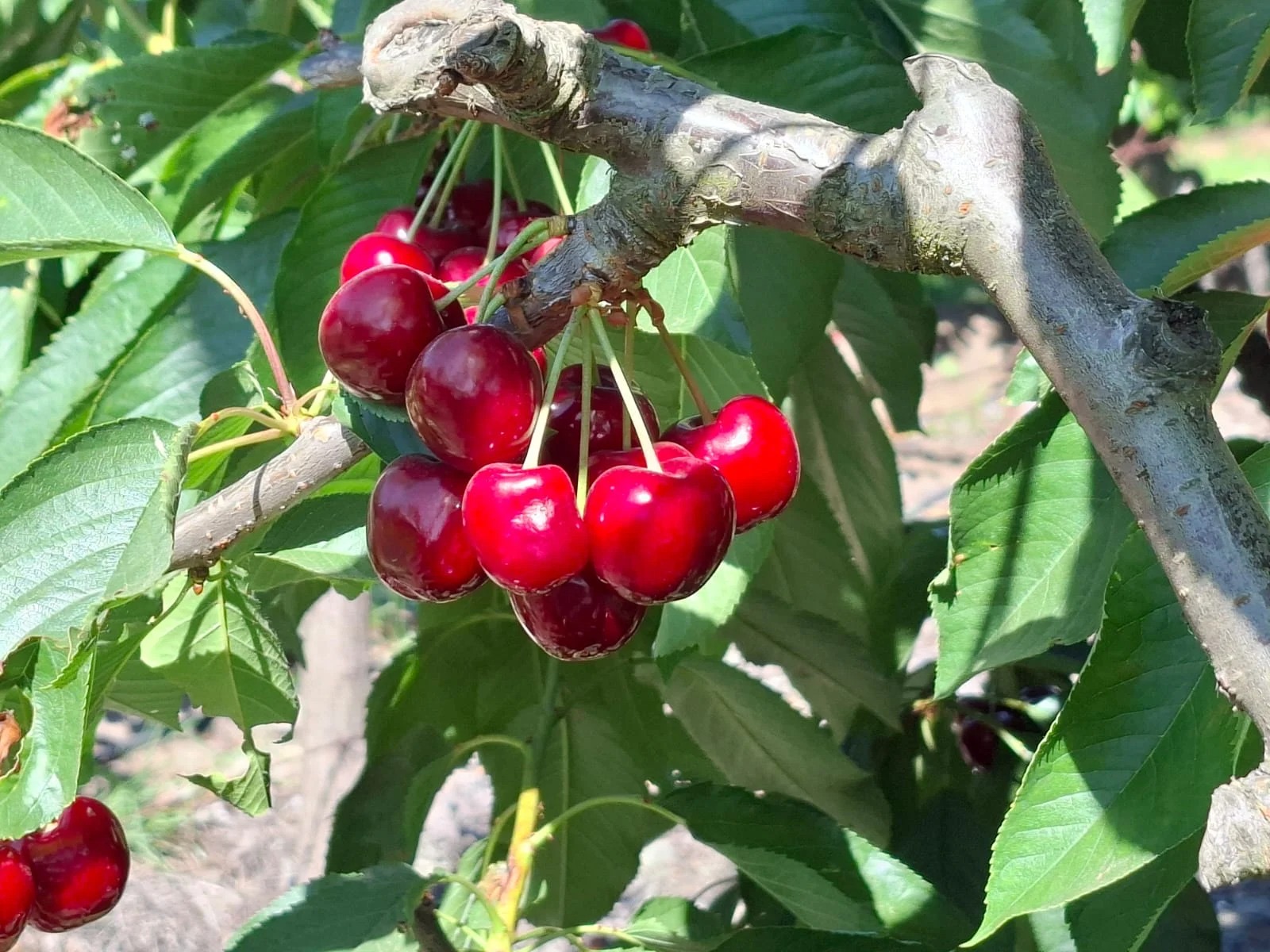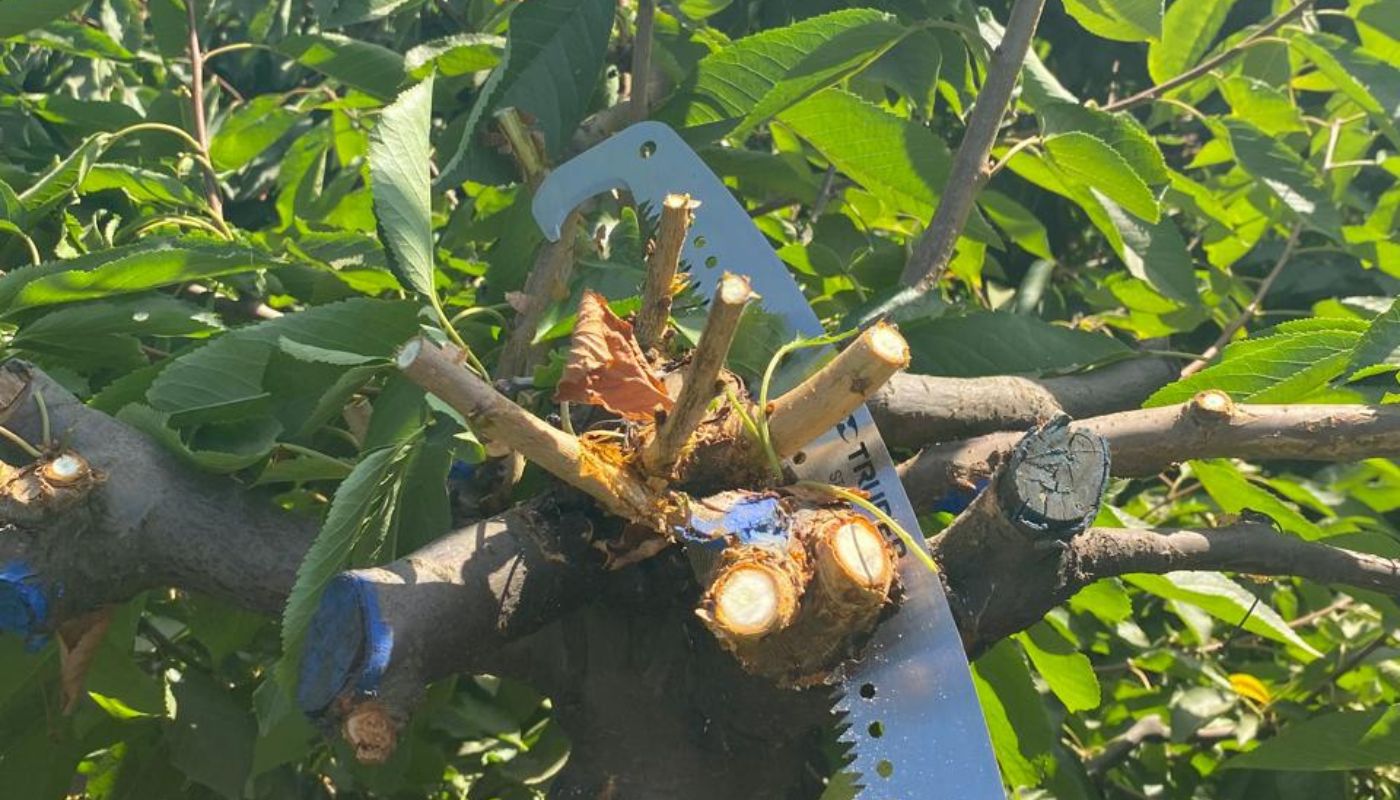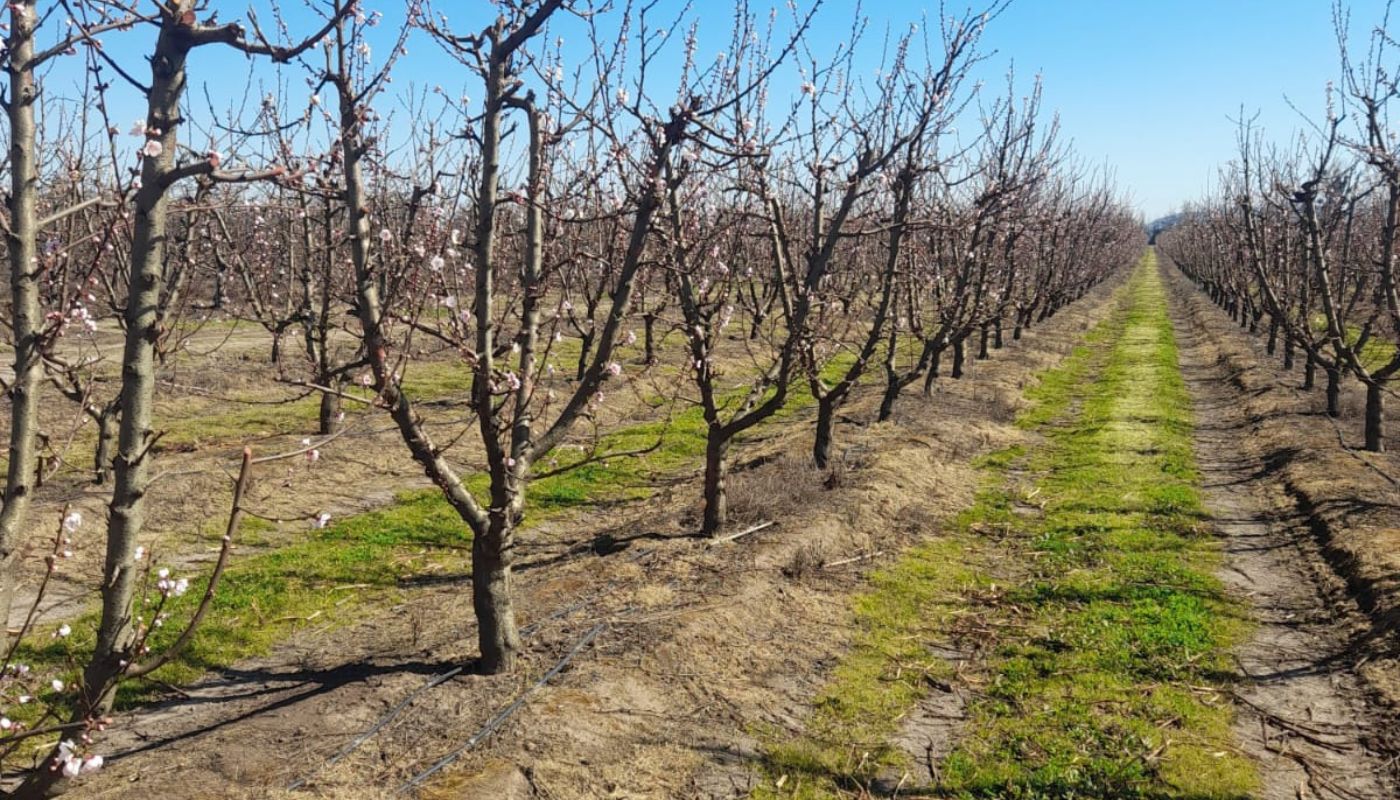


“While the chilling hours were met, especially in the Río Negro and Neuquén regions, for all varieties, the problem was the quality of the accumulated chilling hours. This led to uneven flowering, an intense drop in fruit set, and a widespread decrease in production across all orchards. Later, in some areas, frost and hail damage further exacerbated the situation, causing some companies to end the season early, leaving 200 to 300 tons in the fields due to hail damage. In short, it all started with poor quality chilling hours that affected all varieties, some more than others, and we had never experienced anything like this before, at least not on this scale,” Aníbal stated.
Regarding markets, the United States accounted for 35% of shipments, reaffirming its position as the main destination. Asia represented 28%, although China showed a more pronounced contraction in January. Europe and the United Kingdom reached 26%, with Spain as the main gateway.
However, the CAPCI leader highlighted opportunities in late southern cherries and in the differential performance of early varieties such as Nimba, whose expression in Argentina has shown better results than in other origins.
Given recent events, he believes that commercial flexibility and varietal differentiation will be key to consolidating their international position in the face of an increasingly volatile climate and trade landscape.
We invite you to watch the full interview on our Smartcherry TV channel.
Watch the full interview in Spanish