
The low temperatures recorded in the Patagonian region have set off alarm bells in the fruit sector. However, the Chamber of Integrated Cherry Producers (CACPCI) conveyed reassurance: the frosts, although intense and prolonged, did not cause damage to cherry orchards thanks to the active defense systems implemented by the establishments in the area.
The general manager of CACPCI, Aníbal Caminiti, explained that the extreme temperatures did not surprise producers, as they are part of an expected scenario for this time of year. “We had a very favorable August with the weather. The first few days of September were also good, until the last few nights. In the Middle Valley, where the greatest drops were recorded, we had temperatures between 7 and 9 degrees below zero”, he noted.
Caminiti reported that in some cases, frost protection lasted more than 10 hours, from 10 p.m. until the following morning. “The frosts were prolonged, but within the normal and predictable range. This is part of the rule of thumb in cherry production in Patagonia; there’s nothing new under the sun”, he stated.
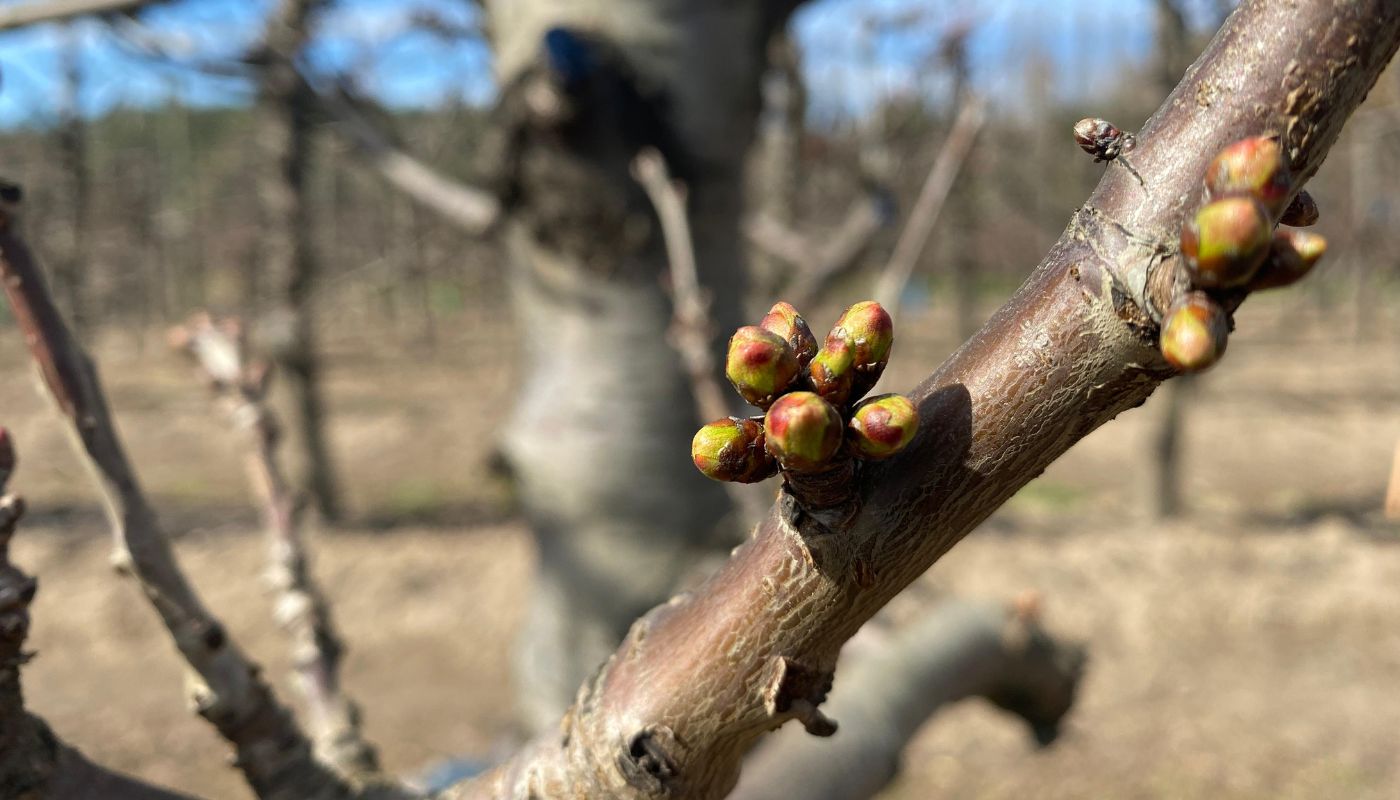
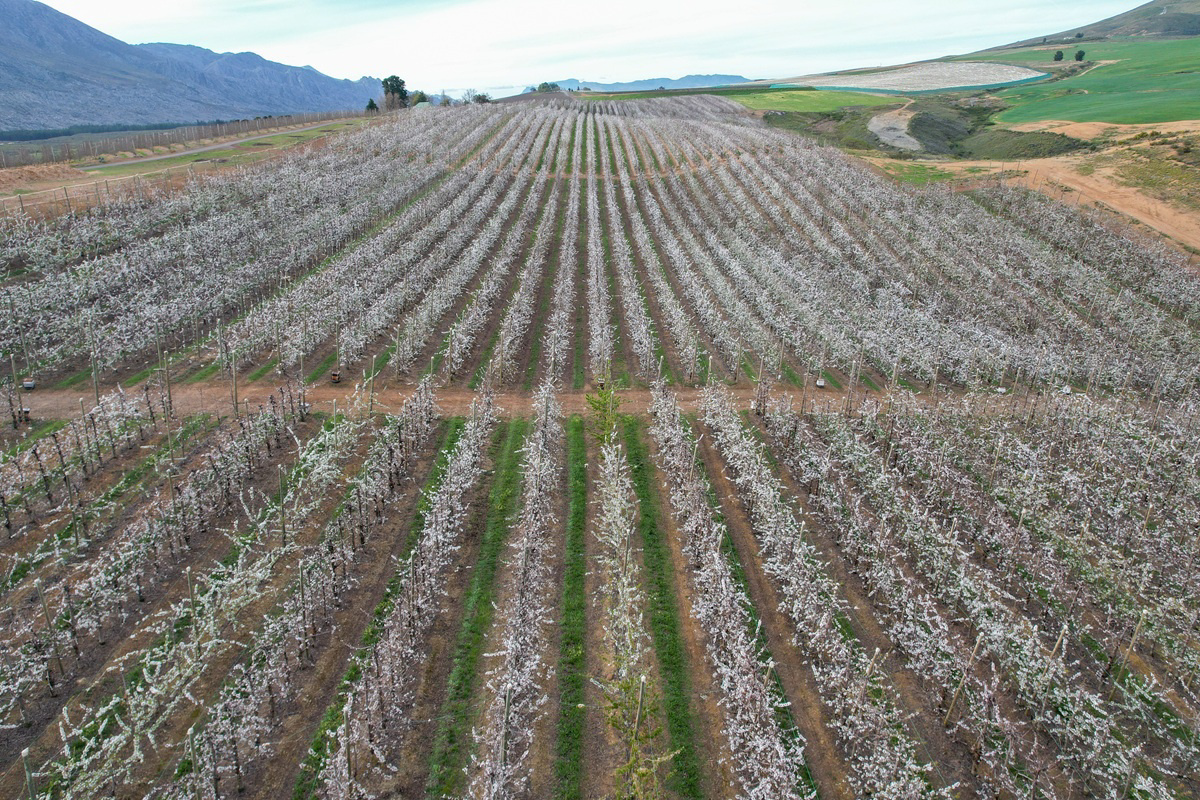
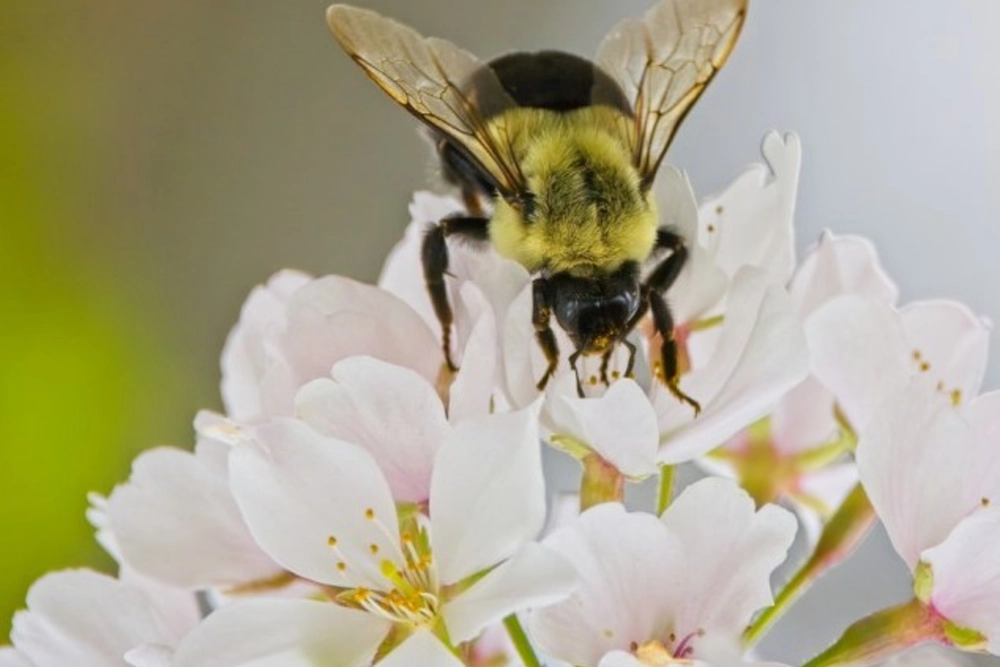
The leader emphasized that, although these types of phenomena are usually more common in August, this year the month was unusually warm. This particularity accelerated the phenological development of the earliest varieties in the Middle Valley, which reached advanced stages of flowering earlier than usual. “This forced us to increase our defenses, because the flowers at that stage are more sensitive, but it was still possible to control them”, he explained.
The key: Sprinkler irrigation
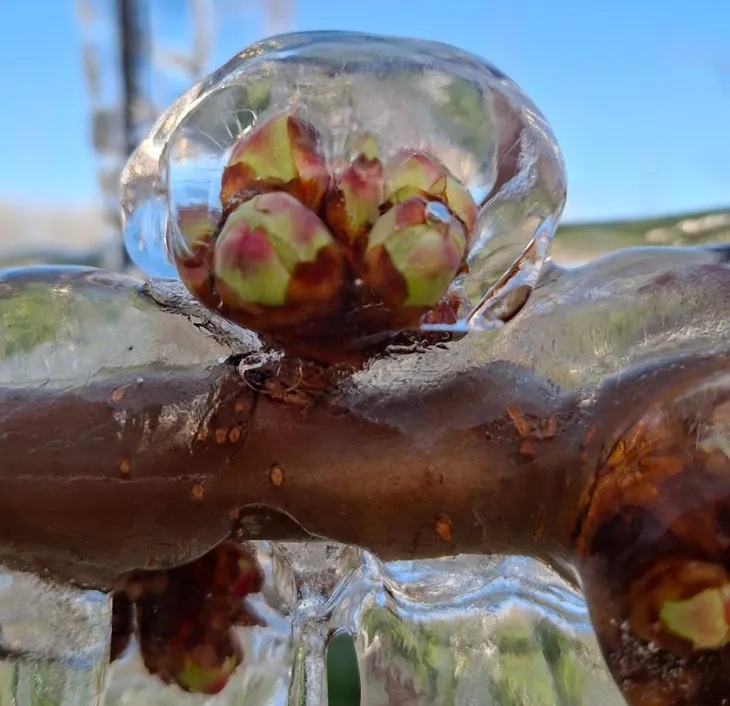
The main tool producers use to protect their crops is sprinkler irrigation, a system that covers flowers and buds with a thin layer of ice that acts as an insulator. “When you create ice on the vegetative organ, it creates an igloo effect. The temperature around the flower or bud remains at 0 degrees, preventing damage even when it’s 9 degrees below zero outside”, Caminiti explained.
This method requires powerful equipment and careful planning. Not only is the capacity of the sprinklers important, but also the availability of water to sustain irrigation for several hours. “In Chimpay, we have had days in previous years when the equipment continued to operate until noon. That’s why it’s essential to have reservoirs or direct access to water sources such as canals or rivers”, he added.
According to the CACPCI manager, there are three key factors in frost defense: the extreme temperature reached, the duration of the event, and the availability of water to sustain the system. “You have to prepare your equipment for extreme situations, even those that occur once every ten years. This week, there were drops of up to -9 degrees Celsius, and everything worked perfectly because the companies were prepared”, he indicated.
He also warned that not only the cold weather must be measured, but also the wind conditions. “When there’s a breeze, it’s not a good idea to turn off the equipment as soon as the temperature rises above 0 degrees Celsius, but rather wait until the ambient temperature reaches 4 degrees Celsius to avoid risks”, he explained.
A Necessary investment
Active frost protection is an essential condition for producing cherries in Patagonia. “Today we can predict that there is no damage to the plantations, but those without a system like this simply cannot produce. That’s a sine qua non”, Caminiti emphasized.
Implementing a sprinkler irrigation system requires a significant investment. The installation of pipes and sprinklers alone costs between $5,000 and $10,000 per hectare, plus the cost of reservoirs or the infrastructure needed to ensure the water supply. “It’s a major effort, but it’s what ensures we can maintain cherry production in a region where frost is inevitable”, he noted.
Looking ahead, the Chamber manager maintained that climate development will need to be closely monitored. “These cold waves slow phenological development. Now we must observe how the process resumes. Last year, the season also started earlier, but it was due to an increase in temperature in September. This time, we’re experiencing a warmer August and an intensely cold start to September, which makes the scenario more atypical”, he explained.
The message from the CACPCI is clear: despite the magnitude of the phenomenon, cherry production was not affected. “Today we can convey peace of mind. There is no damage to the plantations, and the defense systems worked perfectly. The challenge remains to always be prepared, because frost is part of the reality of this crop in the region”, Caminiti concluded.
Source: Más Producción