

In the following interview with the Biocea specialist, we invite you to learn more about the main pests affecting the tree and what management measures should be taken to reduce health risks, considering proper product application as a key factor in successful control in cherry trees.
– What are the most common pests affecting cherry trees today, and what conditions favor their appearance or have the greatest impact in the field?
Currently, the most important pests affecting cherry trees include:
- San Jose scale (Diaspidiotus perniciosus)
- California thrips (Frankliniella occidentalis)
- Red apple spider mite (Panonychus ulmi)
- Two-spotted spider mite (Tetranychus urticae)
- Brown fruit spider mite (Bryobia rubrioculus)
- Spotted-winged fly (Drosophila suzukii)
- Fruit burrito (Naupactus xanthographus)
There are many conditions that favor the emergence and increase of these pests. Some of the most significant are:
- Permanence of pruning material or infested fruit in the orchard, which acts as a source of inoculum.
- Proximity to external sources of pests such as home fruit trees, abandoned land, or the presence of host weeds.
- Deficiencies in pesticide coverage due to bushed orchards, poor calibration, or poor maintenance of application equipment.
- Untimely pesticide applications or poor rotation of modes of action of phytosanitary products.
- Low presence of natural enemies, often due to improper pesticide use or dust accumulation on foliage.
– What monitoring practices do you consider key for early and effective detection of pest development in cherry orchards?
Early detection depends on rigorous and systematic monitoring, which should include:
- Trained personnel capable of recognizing both pests and their natural enemies.
- Periodic monitoring, ideally monthly or more frequently during critical periods, following a standardized protocol.
- Systematic data recording, allowing for the development of reliable population curves and facilitating decision-making.
- Use of appropriate tools, such as field magnifiers and spreadsheets or digital recording systems.
- Ability to interpret insect status, differentiating between active pests and the remains of dead organisms (exuviae, carcasses, old symptoms).
- Synchronization with the phenological moments of pest appearance to anticipate control actions or evaluate the effectiveness of a pesticide after application (from a few days to a month).
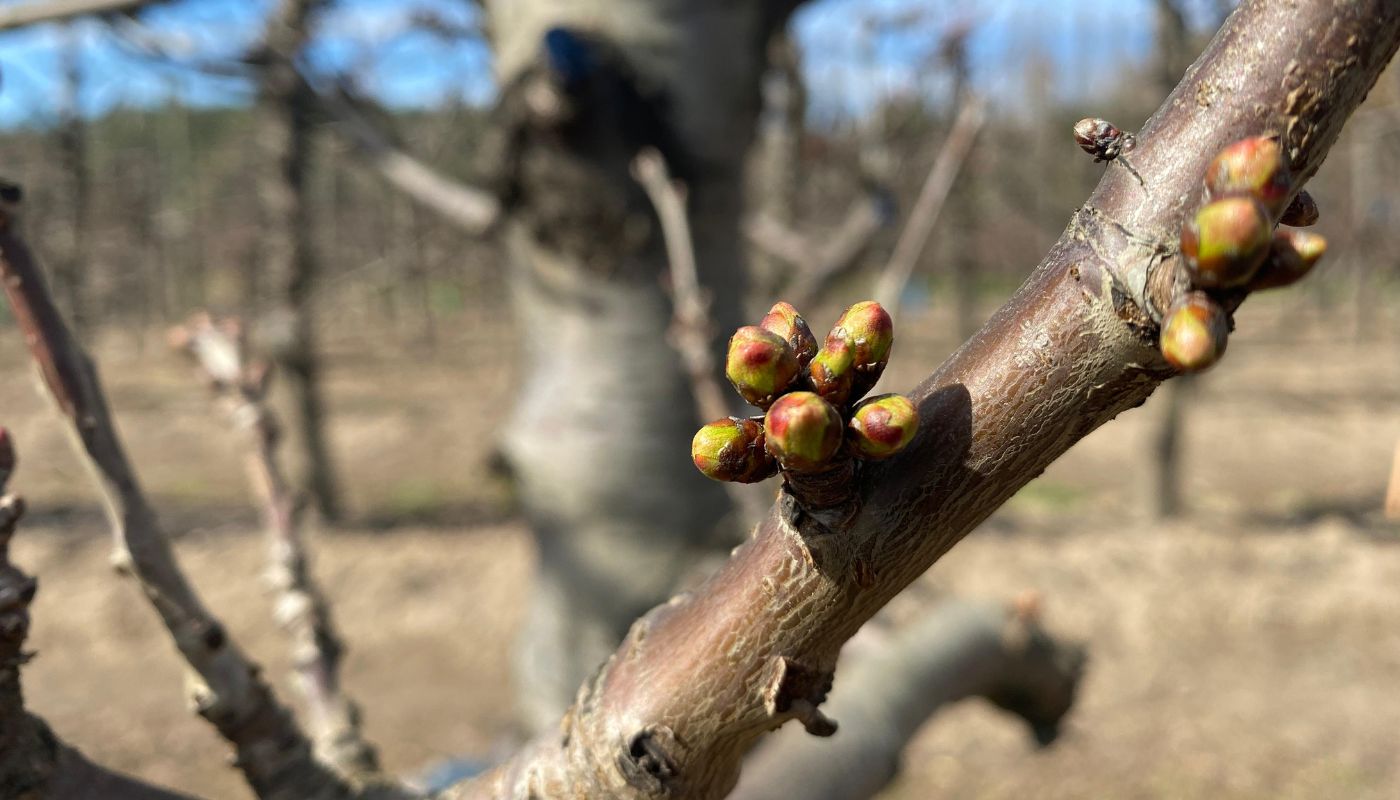
– Looking ahead to the upcoming season, what are the main management measures that should be carried out before bud break to reduce health risks and avoid pest impacts?
During the winter period, prior to bud break, the following key actions are recommended:
- Application equipment maintenance: check, repair, or replace damaged parts of spraying or misting equipment, especially nozzles.
- Strategic winter pruning: open the tree canopy to improve ventilation, facilitate light penetration, and optimize coverage of phytosanitary applications.
- Elimination of inoculum sources: remove wood infested with St. Joseph’s scale and remaining fruit that may be a source of Drosophila suzukii.
- Control of host weeds, such as bean sprouts, horseradish, and horseweed, among others.
- Preventive applications: In the presence of St. Joseph’s scale or apple spider mite, the use of mineral oils is recommended to control overwintering stages such as eggs and nymphs.
– In the context of integrated pest management, what role do cultural measures and the correct application of products play in successful control in cherry trees?
Cultural measures are essential in integrated management, as they reduce the initial inoculum of pests and promote ecological balance. Prominent examples are:
- Sanitary pruning, to eliminate shoots and branches infested with St. Joseph’s scale.
- Control of specific weeds, such as brassicas (hosts of California thrips) and bindweed (associated with spider mites).
- Establishment of flower patches or bands, which promote functional biodiversity and favor the survival of predatory and parasitoid natural enemies.
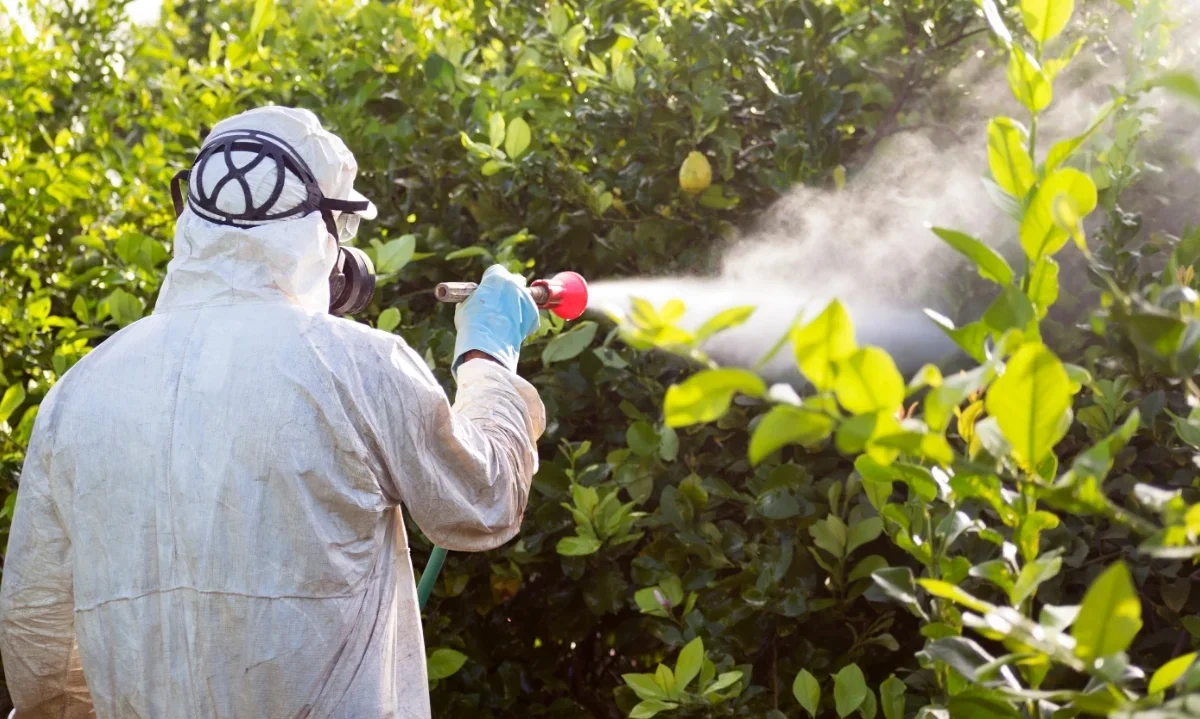
Correct pesticide application is also critical and must consider:
- Timing of application, coinciding with periods of greatest sensitivity and/or exposure of the pest.
- Appropriate product selection and dosage.
- Efficient and precise coverage, adjusting droplet volume and size to avoid drift, excess, or environmental contamination.