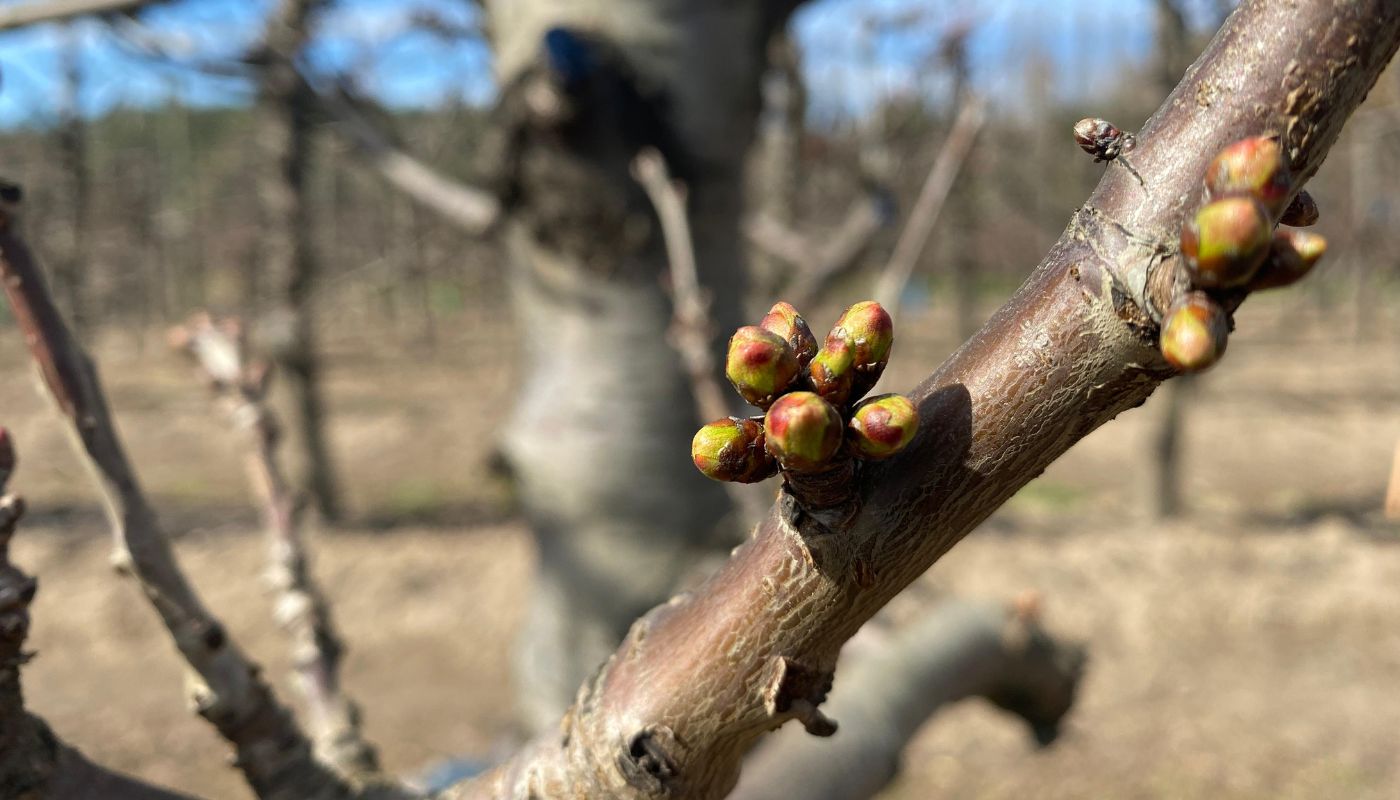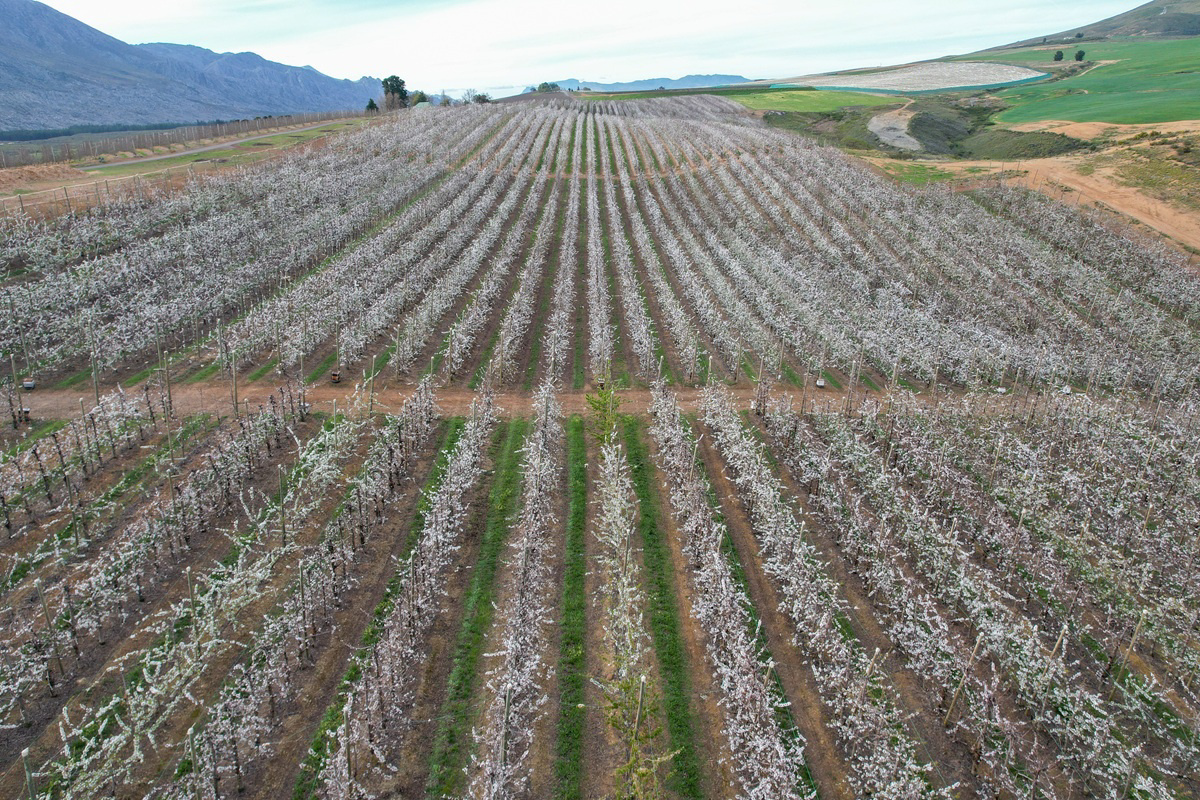

Aníbal Caminiti stated that beyond the possibility of frost, which was practically non-existent during the month of August, they are prepared for this type of phenomenon, and that it does not necessarily imply damage to the plant. However, he emphasized that the goal in the Argentine Patagonia region is for cherry trees to have longer phenological stages, because this prolongation of the fruit ripening process gives them a highly distinctive organoleptic quality.
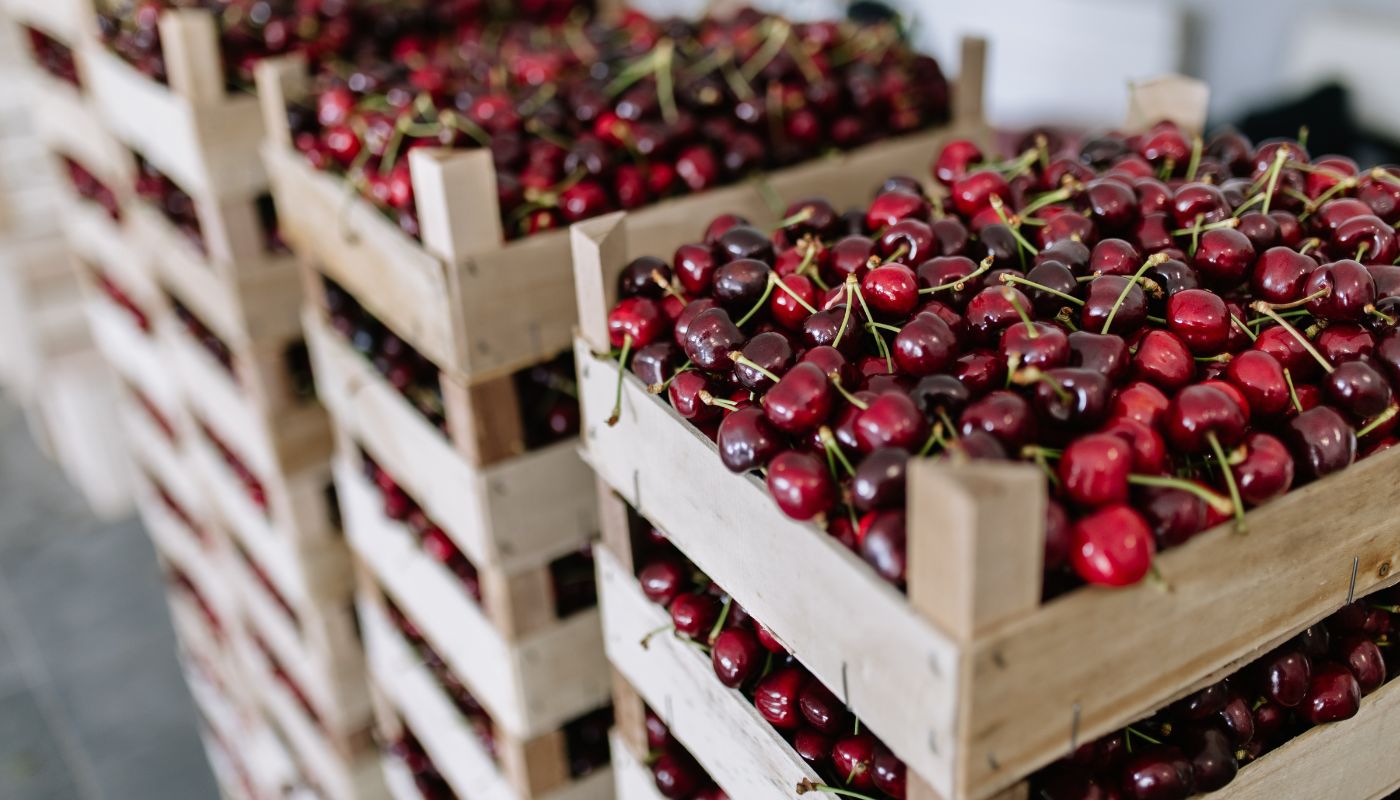
The CAPCI leader affirmed that the best thing that can happen to the cherry tree is to develop within optimal thermal parameters, and these parameters exist in Patagonia, since the climate allows it to avoid exceeding or falling below thresholds that could cause stress, producing quality cherries that differentiate them from those grown in other areas of the neighboring country.
He also added that no two seasons are the same, and while projections can be made, cherries have to coexist with the climate, which means they must constantly monitor forecasts to mitigate certain phenomena, such as frost control and others.
Interview content in Spanish.