
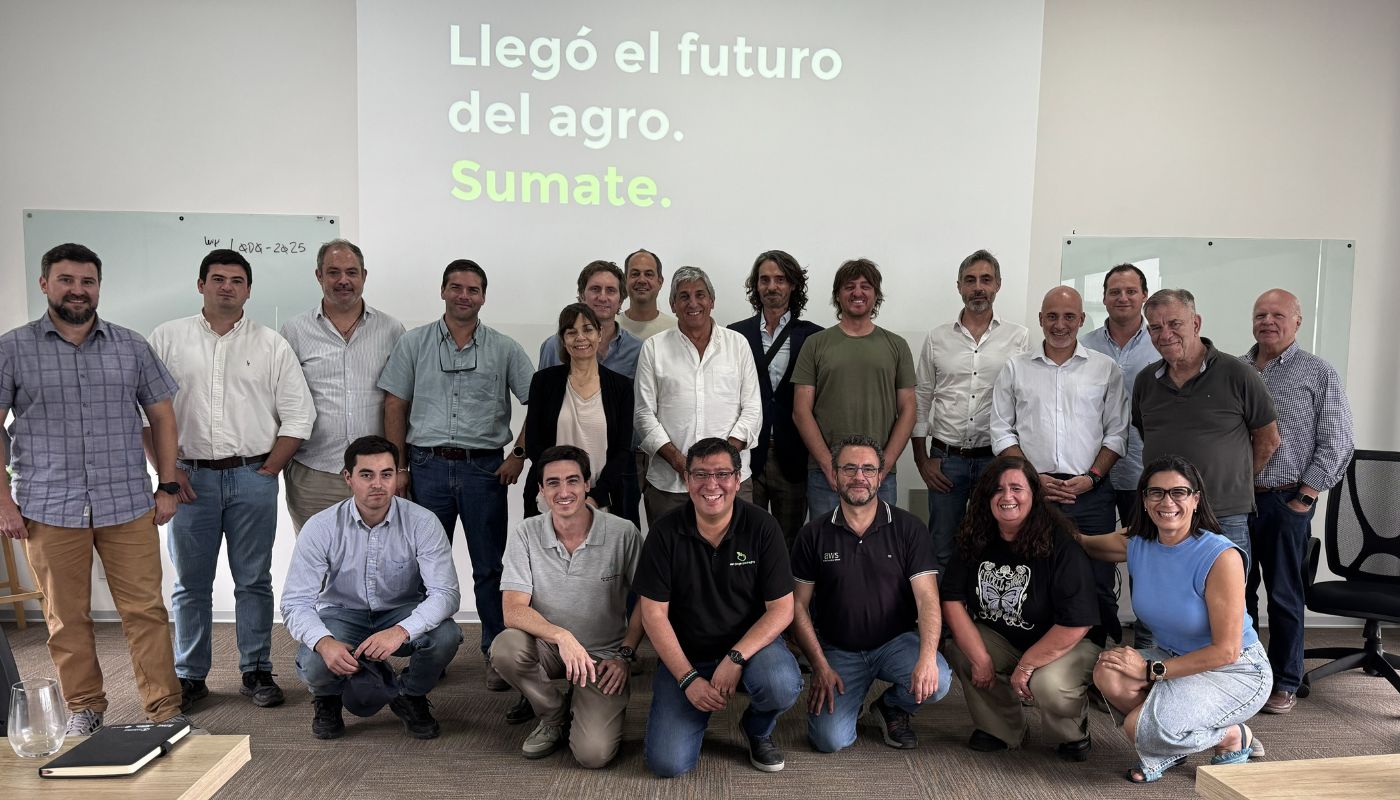
With a focus on the entire cherry business, the second day of the event emphasized investment, innovation, and regional collaboration. The day’s activities took place on Wednesday, April 1st, and began at the Río Alara packing plant in Tunuyán, where cherry growers and representatives from Chile and Argentina learned firsthand about fruit handling, from the field to final packaging.
The tour provided an in-depth look at aspects such as varieties, selection processes, and quality standards, in a context where efficiency and fruit condition are crucial for competing in international markets.
Later, at Espacio Lodo, a networking and agricultural innovation center, the focus shifted to business opportunities. The presentation “Early Cherry Project in Mendoza: Viability, Strategy, and Returns,” by Mariano Dorado, addressed critical factors such as competitive advantages, climate risks, and production differences between regions, highlighting the province’s potential to position itself in strategic market opportunities.
One of the most innovative topics was the presentation on the tokenization of agricultural assets, which explored how fields and harvests can be transformed into digital investment instruments, opening the sector to global capital.
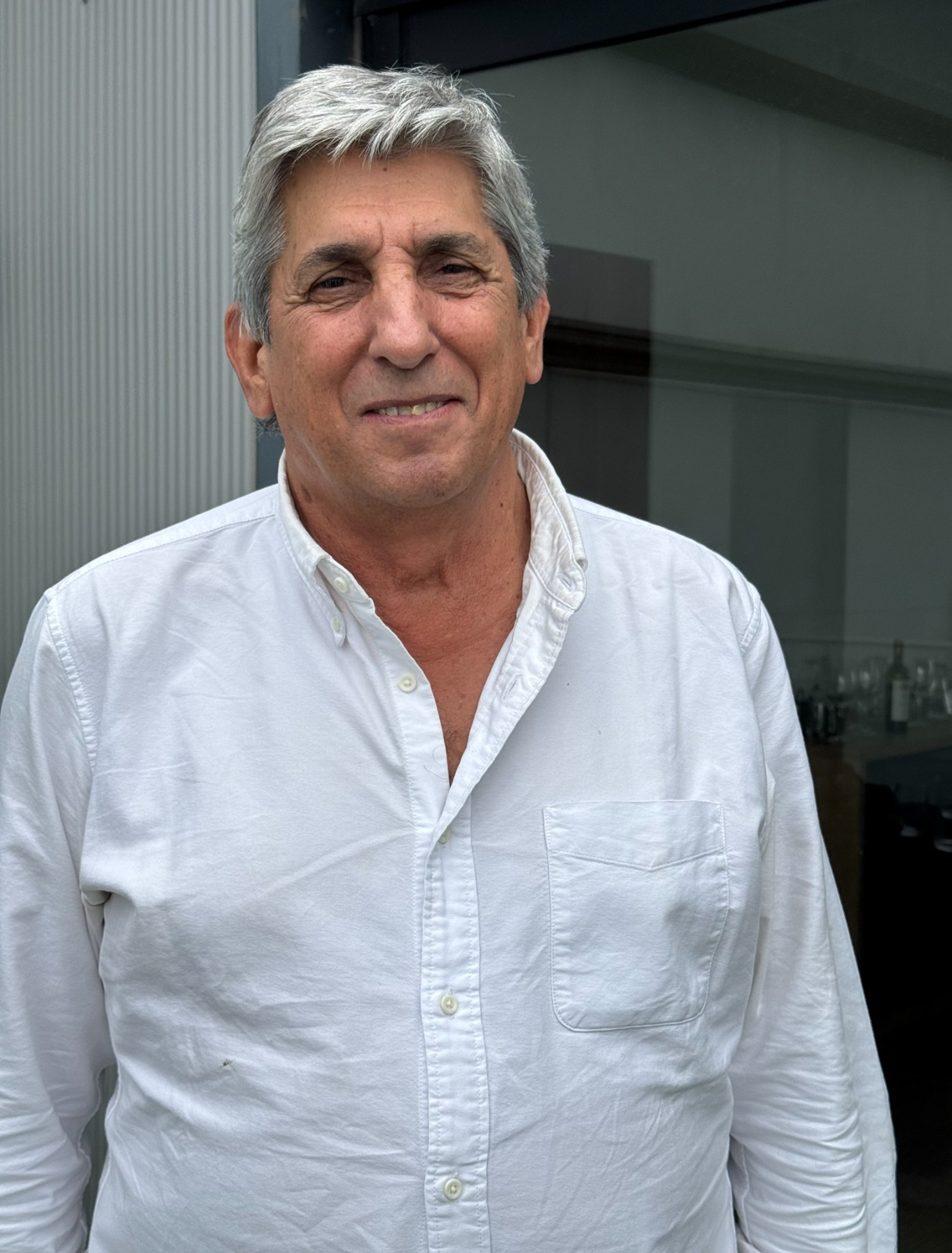
This comprehensive analysis was highly valued by the participants. “It’s a very good opportunity for foreign investors to come and invest in cherry production,” stated Alejandro Zimmermann, founding partner of Río Alara, highlighting the sector’s resilience after challenging seasons.
“There were three very difficult years, but I believe that the Argentine producer’s spirit is to continue growing, both in production and in quality,” he expressed.
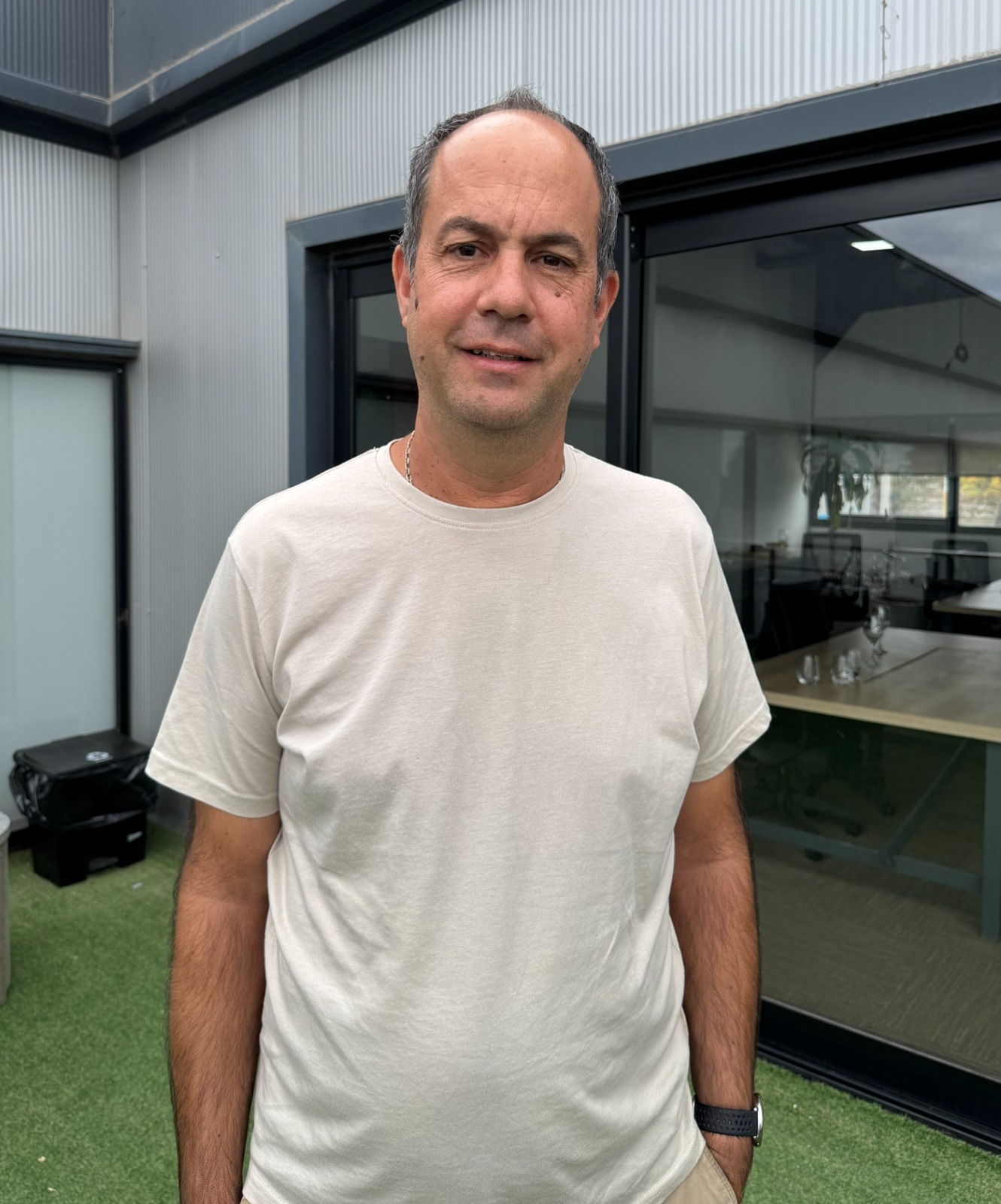
Meanwhile, Nicolás Güizzo, president and technical manager of Güizzo Frutas Frescas, stated: “What better way to view the business than holistically: technical aspects, suppliers, and now, the numbers?” He also emphasized the importance of enhancing attributes such as firmness and sugar content in this fruit in the neighboring country.
The day concluded with a visit to Finca Don José, which produces varieties such as Brooks, Santina, and Lapins, reflecting the ongoing production diversification and consolidating a comprehensive view of the production chain.