

The start of the 2025/26 season for Argentine cherry exports is far from promising. The first official figures confirm a complex scenario, marked by a severe weather event, a significant decrease in export volumes, and a significant shift in export destinations. The result is a “hard blow” for an industry that had been striving to consolidate itself as one of Argentina’s most dynamic fruit sectors.
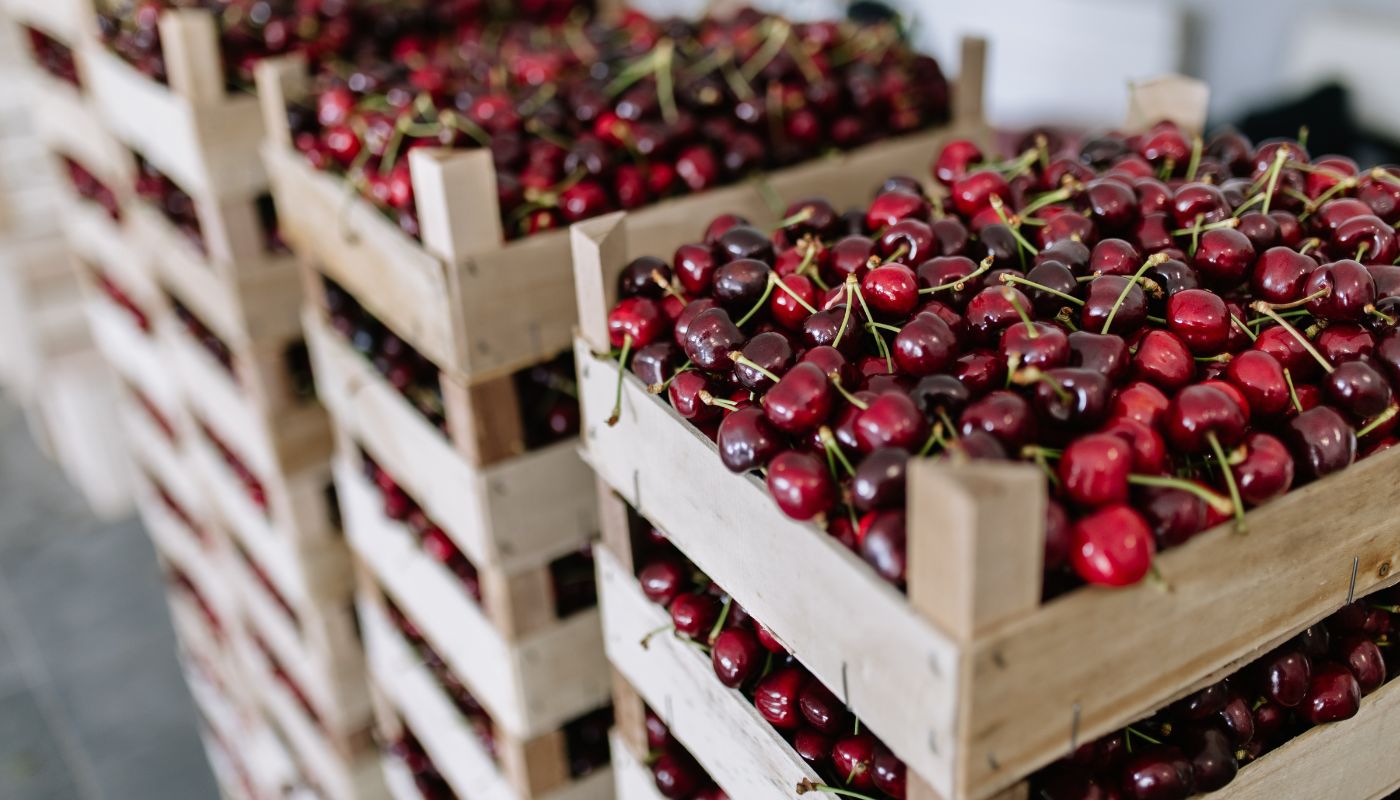
According to data provided by the National Agri-Food Health and Quality Service (SENASA), as of December 31, 2025, cherry exports during the last quarter of the year—a key period from October to December—totaled just over 3,760 tons. This figure is alarming in sectoral terms: it represents a year-on-year drop of 38% and a 19% decrease compared to the average export volume for the same period over the last five years.
To find a lower volume than that recorded at the end of 2025, one has to go back to 2019, when exports in the last quarter reached approximately 3,470 tons. The contrast is even more striking when considering that in the last quarter of 2024, exports exceeded 6,000 tons, marking the best figure in the recent series.
This historical overview highlights a structural reality of the Argentine cherry sector: while exports show a long-term upward trend, this evolution is marked by high volatility. And this volatility, in most cases, has one determining factor: the weather.
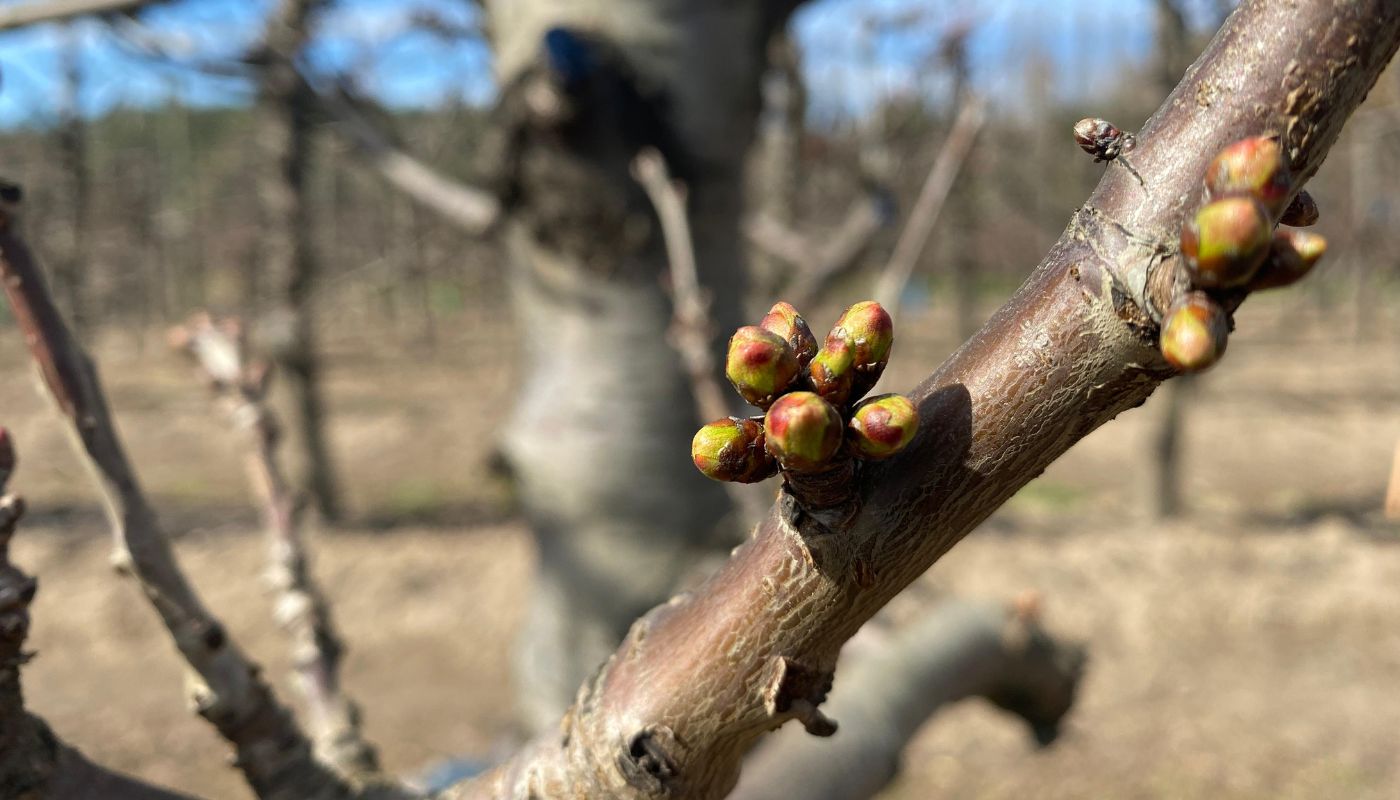
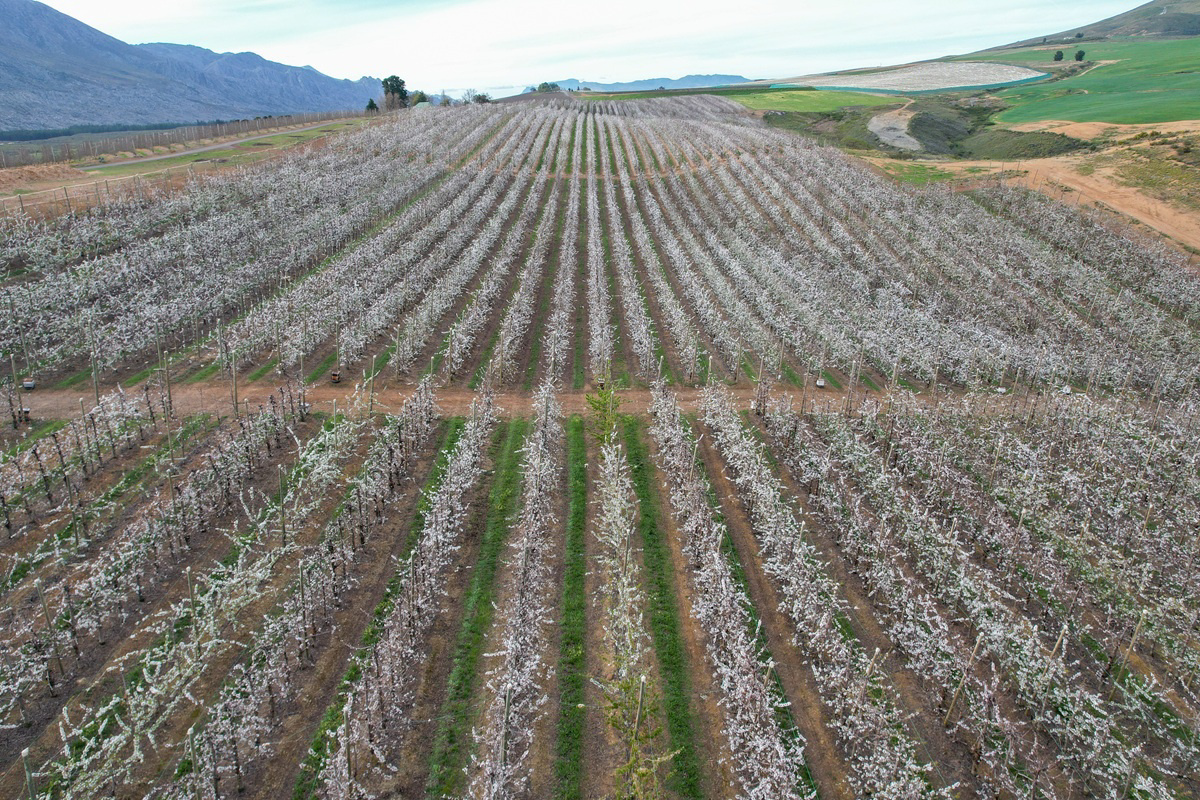
This season, the weather was undoubtedly the main culprit behind the decline in production figures. Severe rain and hail storms severely affected a large part of the producing areas, especially in northern Patagonia, causing significant damage to both the volume and quality of the fruit.
As a direct consequence, a significant portion of the production initially destined for export had to be redirected to the domestic market. The decision was not strategic but defensive: faced with the impossibility of guaranteeing adequate quality standards for demanding markets and the health risks involved in storing damaged fruit for extended periods, many companies opted to “get out there quickly” and sell in the local market.
Damage caused by excess water and hail directly impacts the shelf life of cherries. Fruit with micro-cracks, bruises, or firmness issues presents serious difficulties in withstanding long journeys and complex logistics chains, such as those required for exporting to distant markets. In this context, allocating this fruit to the domestic market has become, for many producers and exporters, the only viable alternative to minimize further losses.
Changes in the destination matrix: Less China, more United States
In addition to the overall drop in volumes, the 2025/26 season is clearly showing a shift in the destination matrix for Argentine cherry exports. The contrast with what occurred in the last quarter of 2024 is striking.
During that period, China had been the main destination for Argentine exports, accounting for 36% of shipments, followed by the United States, which absorbed 30%. However, in the October-December 2025 quarter, the leadership shifted: the United States accounted for 36% of exports, while China fell to 26%.
In relative terms, the US market grew by six percentage points, while China lost 12 points within the export mix. This shift is not accidental, nor is it solely due to a temporary situation: it reflects a deliberate decision by Argentine exporters to reduce their exposure to the Chinese market.
The immediate precedent helps explain this behavior. During the previous season, prices in China plummeted due to a significant oversupply, primarily from Chile, combined with quality issues in some of that exportable supply. Adding to this were expectations that the volumes reaching the Chinese market in the 2025/26 season would be even greater than those of the previous cycle, leading to predictions that price problems and market saturation could persist.
Data from the private sector confirm that these expectations were not misplaced. This season, cherry prices in China show significant declines compared to last year. However, the market continues to pay relatively high prices for fruit that stands out for its quality.
The problem is that this high-quality fruit is now the exception, not the rule. The majority of the supply reaching the Chinese market exhibits heterogeneous characteristics, with significant variations in size, firmness, and overall condition. This heterogeneity directly impacts final prices on store shelves and ultimately drags down the market average.
In this context, cherries lacking differentiating attributes suffer the most, and unfortunately, they are the ones that currently predominate. For Argentine exporters, sending medium- or low-quality fruit to a market as demanding and volatile as China involves assuming a high risk, especially in a season marked by production problems.
Beyond the changes in relative market shares, when exports are analyzed in absolute terms, the picture is even more striking. The drops in shipments to different destinations have been truly significant.
In the case of China, Argentine cherry exports plummeted 60% year-on-year during the last quarter of 2025. In nominal terms, this represents approximately 1,200 fewer tons placed in that market.
The United States, while gaining relative market share within the export mix, has not escaped the general trend either. In absolute terms, shipments to that country fell by 25%, equivalent to about 500 fewer tons compared to the same period of the previous year. In other words, the relative growth in exports to the United States is more due to the magnitude of the decline in other destinations than to a real increase in the volume shipped.
The regional impact: Northern Patagonia hit hard, Chubut on the rise
Another piece of data that helps to understand the extent of the damage caused by the storms is the analysis of the origin of exports. The charts that break down shipments by province clearly show the sharp drop in the share of Río Negro and Neuquén, the country’s two main historical producing regions.
In the case of Río Negro, total exports during the last quarter of 2025 reached 1,230 tons, about 1,000 tons less than in the same period of the previous year. The year-on-year drop was 50%, and its share of total exports fell from 41% to 33%, losing eight percentage points.
Neuquén showed a similar, though even more pronounced, trend. In the last quarter of 2024, it exported 1,448 tons, while in 2025 it barely reached 518 tons. This represents a 65% plunge in exports and a nine-percentage-point loss in its share, which fell from 25% to 14%.
Mendoza, for its part, also registered declines in absolute terms—on the order of 300 tons—but managed to maintain a relatively stable share of total exports.
The big winner of this first part of the season was, without a doubt, Chubut. The province accounted for 39% of total Argentine placements and increased its share by almost 20 percentage points compared to the previous season, benefiting from relatively better weather conditions and less impact from extreme events.
A shorter season with no signs of recovery
Ultimately, the impact of the weather has been decisive in the sharp drop in cherry exports recorded in this first stage of the season. Industry representatives agree that this negative trend will continue through January and February—February being particularly short in terms of activity—and that no major changes are expected compared to the relative declines observed at the beginning of the cycle.
They say the season was significantly shortened: the harvest was earlier and more accelerated, with the goal of salvaging as much fruit as possible in acceptable condition. But this effort was not enough to compensate for the damage caused by weather that once again demonstrated its decisive influence on an activity as sensitive as cherry production.
Thus, the start of the 2025/26 season leaves the sector facing a major challenge: rebuilding volumes, recovering markets, and, above all, reducing vulnerability to extreme weather events that, year after year, seem to be ceasing to be exceptional and becoming the norm.
Source: Más Producción