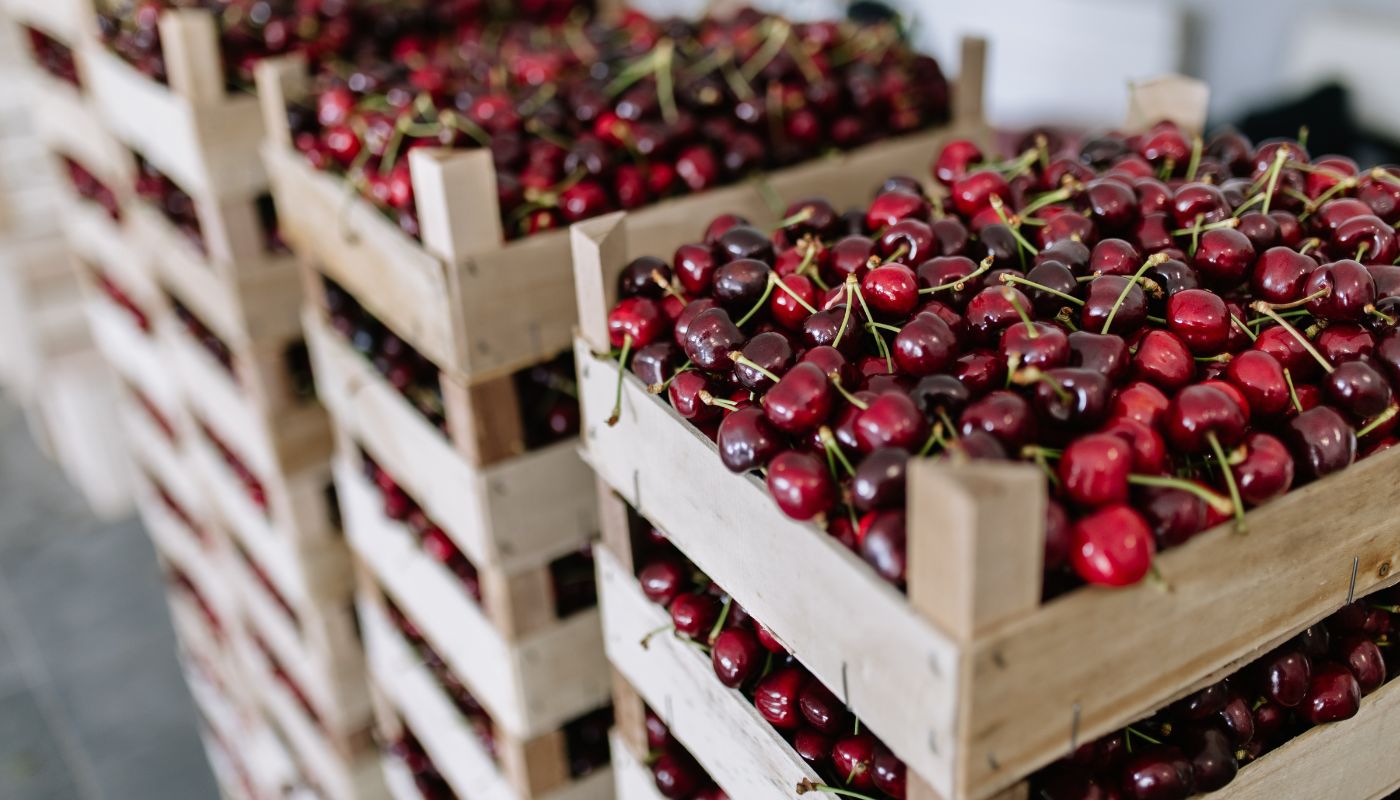


Argentine cherry exports reached a total of 1,480 tons in the first part of the 2024/25 season, corresponding to shipments made during October and November. This volume represents a year-on-year decrease of 35%, but at the same time implies a 34% increase compared to the consolidated average of the last five seasons, according to official data from the National Agri-Food Health and Quality Service (SENASA).
This figure, which might seem contradictory, is due to two simultaneous phenomena: on the one hand, there is a marked decline compared to the same period last year; on the other, the current start is above the recent historical average performance. This duality reflects a season that began strong in relative terms, but is facing significant obstacles that are already worrying producers and exporters.
In fact, the October-November 2024 period was the best recorded for these months in recent seasons, as shown in the official graph based on SENASA statistics. This encouraging start raised the expectations of producers in the Río Negro and Neuquén Valleys for the current season, where most of the country’s early cherry production is concentrated.
Expectations that deflate
In September, the projections released by companies, packers, and technical entities were largely favorable. It was anticipated that, if the production and health conditions observed during the winter were maintained, exports could once again exceed 8,000 tons, as happened in the previous season, when a historic record for the industry was reached.
However, as spring progressed and the harvest of early varieties began, negative signs emerged that drastically changed the outlook. Today, with November over and the harvest moving towards mid- and late varieties, everything indicates that the initial expectations will not only not be met, but the season could end with significantly lower volumes than anticipated.
Experts agree that three key factors explain this shift in projections:
1. Harvest delay
Various weather conditions—including unstable temperatures, cloudy days, and uneven heat accumulation—caused a delay of between three and seven days in the harvest of the earliest cherries, depending on the specific area of the Valley and the characteristics of the orchards.
This delay has a direct impact on exports: international markets particularly value the first Argentine cherries because they arrive earlier than competitors like Chile.
While a significant portion of the planted area is already in full production, the early volume failed to consolidate due to this delay, reducing availability during key weeks for export demand.
2. Fruit set problems
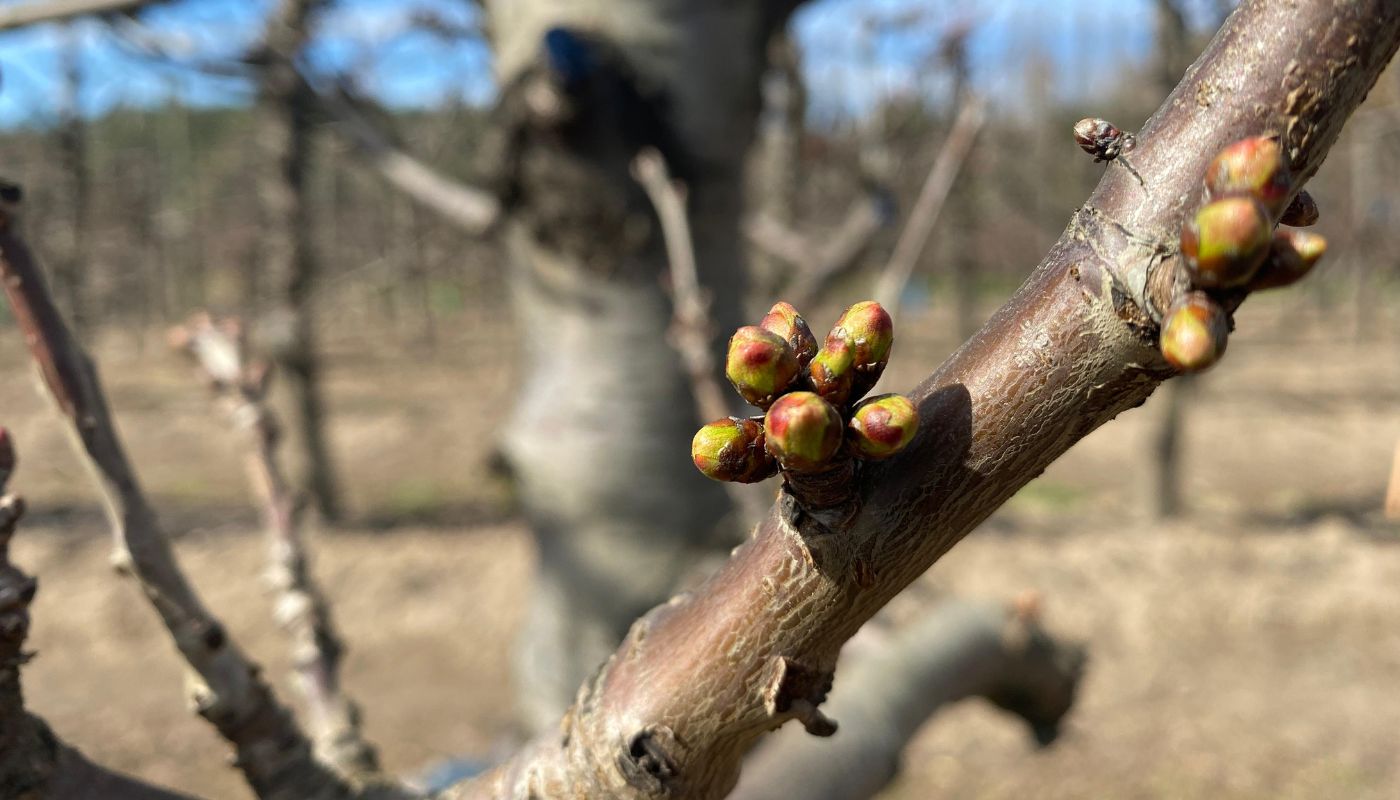
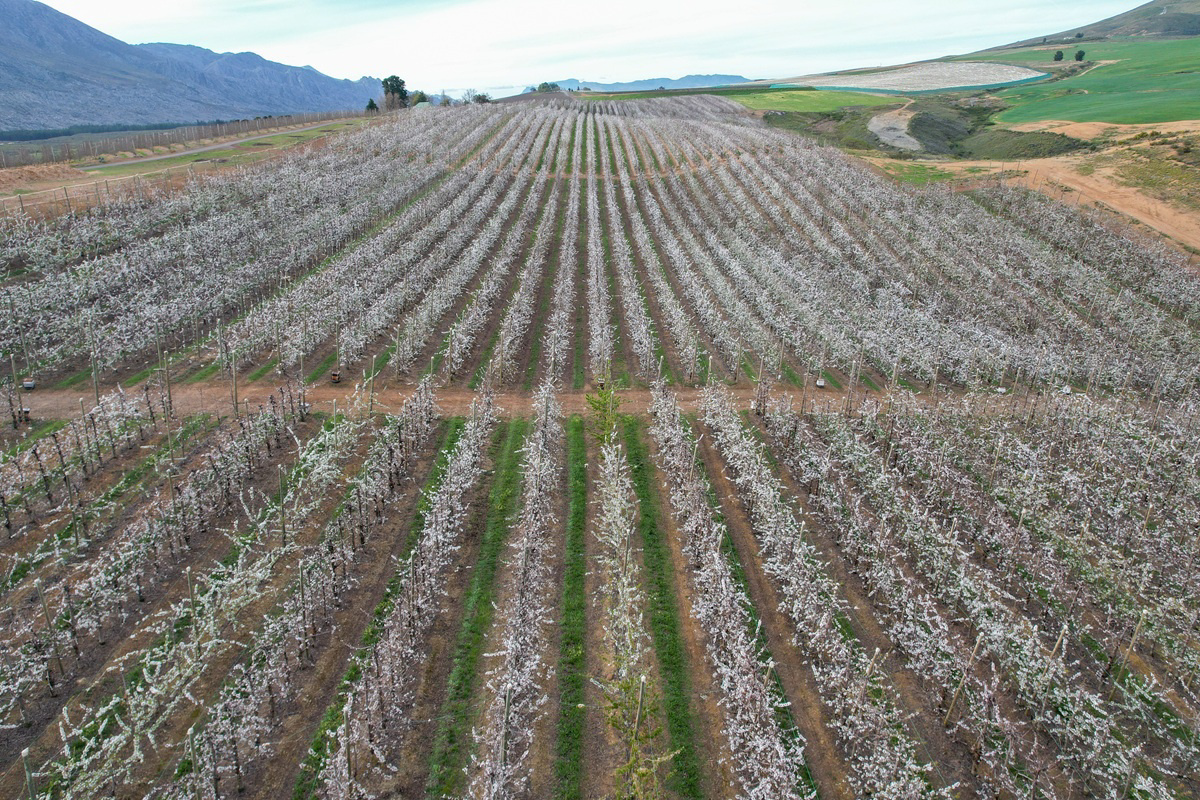
At the beginning of October, a worrying phenomenon became evident: poor fruit set and unstable chill hours during the winter. This combination resulted in uneven flowering and, subsequently, more intense natural thinning than usual, which significantly reduced the number of cherries per tree.
Producers and technicians agree that this factor will affect not only early shipments but also the total fruit availability for December, the month in which the bulk of exports are historically consolidated.
3. Storms and hail in late november
The rainfall and hailstorms recorded in the last days of November caused considerable damage to various orchards in the Valley. Although the immediate effects were noticeable, the most serious consequences will be seen in the coming weeks, when export-bound lots with minor or moderate damage are harvested, affecting both quality and post-harvest life.
A significant adjustment to projections
With these three variables combined, specialists project that the final drop in exports could be around 40% compared to last season. While the 2024/25 season saw exports exceed 8,000 tons—a historic record—it is possible that total shipments by the end of this season will fall below 6,000 tons.
This would imply a setback to levels similar to those of the 2022/23 season and would hinder the industry’s goal of consolidating its position in the international market as a supplier of increasing volume and consistent quality.
Meanwhile, the sector maintains expectations that late-ripening varieties may partially improve results, but the overall trend is already clear: the 2025/26 season will be significantly lower than projected and will mark a slowdown in the growth of Argentine cherry exports.
The combination of adverse climatic factors, physiological delays in the forests, and destructive weather events brings back to the forefront the sector’s ongoing challenge: how to sustain long-term growth in a context so vulnerable to climate variations.
Source: Más Producción