
In 2026, this celebration—also known as the Spring Festival—will extend until March 3, culminating in the traditional Lantern Festival, when the streets are illuminated and the festive period officially ends. For at least two weeks, millions of families in China and other Asian countries participate in one of the most significant cultural events of the year.
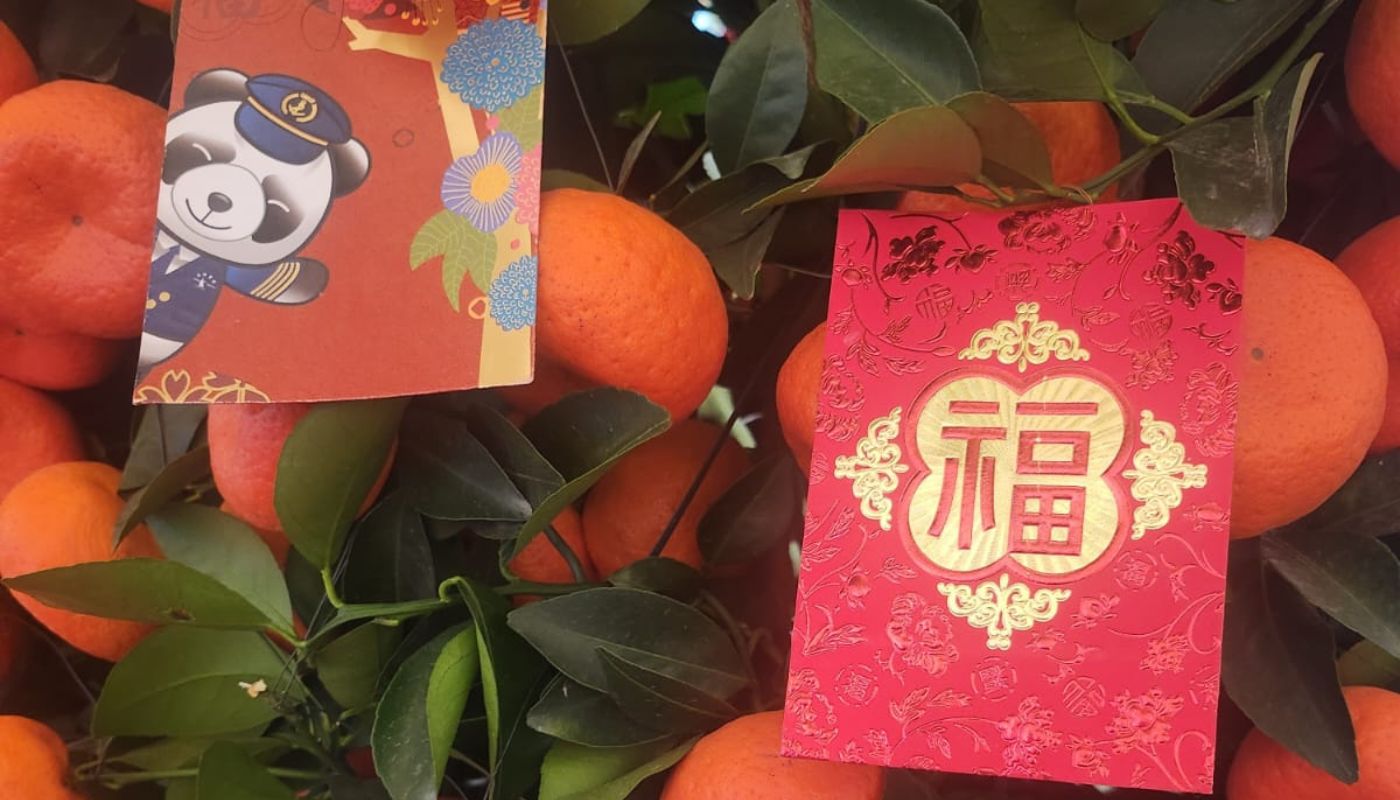
The eve of the festival is celebrated with the “reunion dinner,” an occasion where different generations gather to share foods associated with prosperity, health, and longevity. In the following days, red envelopes (hongbao) are exchanged, ancestors are honored, lion and dragon dances are performed, and fireworks are set off to ward off bad luck and attract positive energy.
The Cherry: The red fruit of good luck
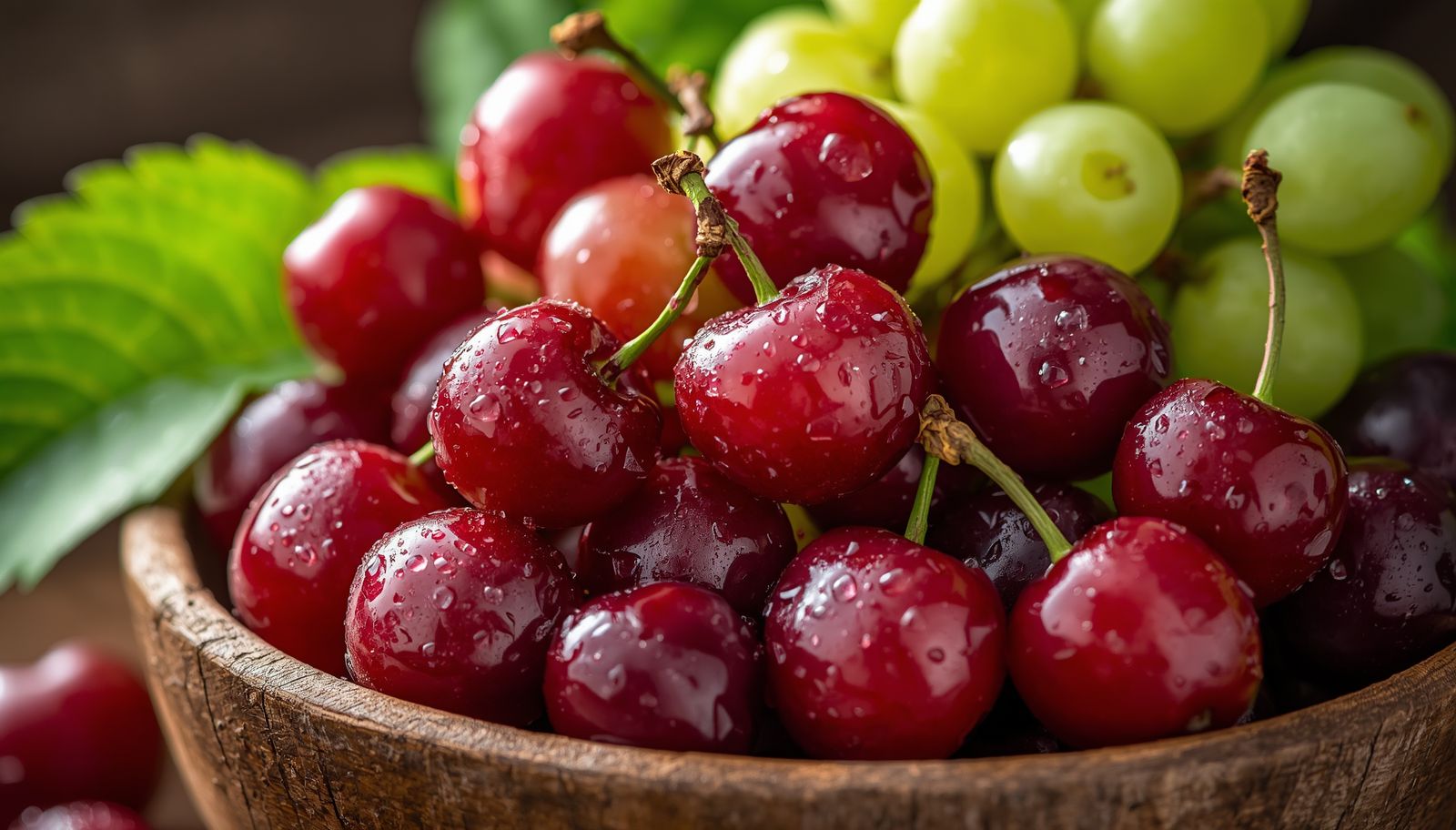
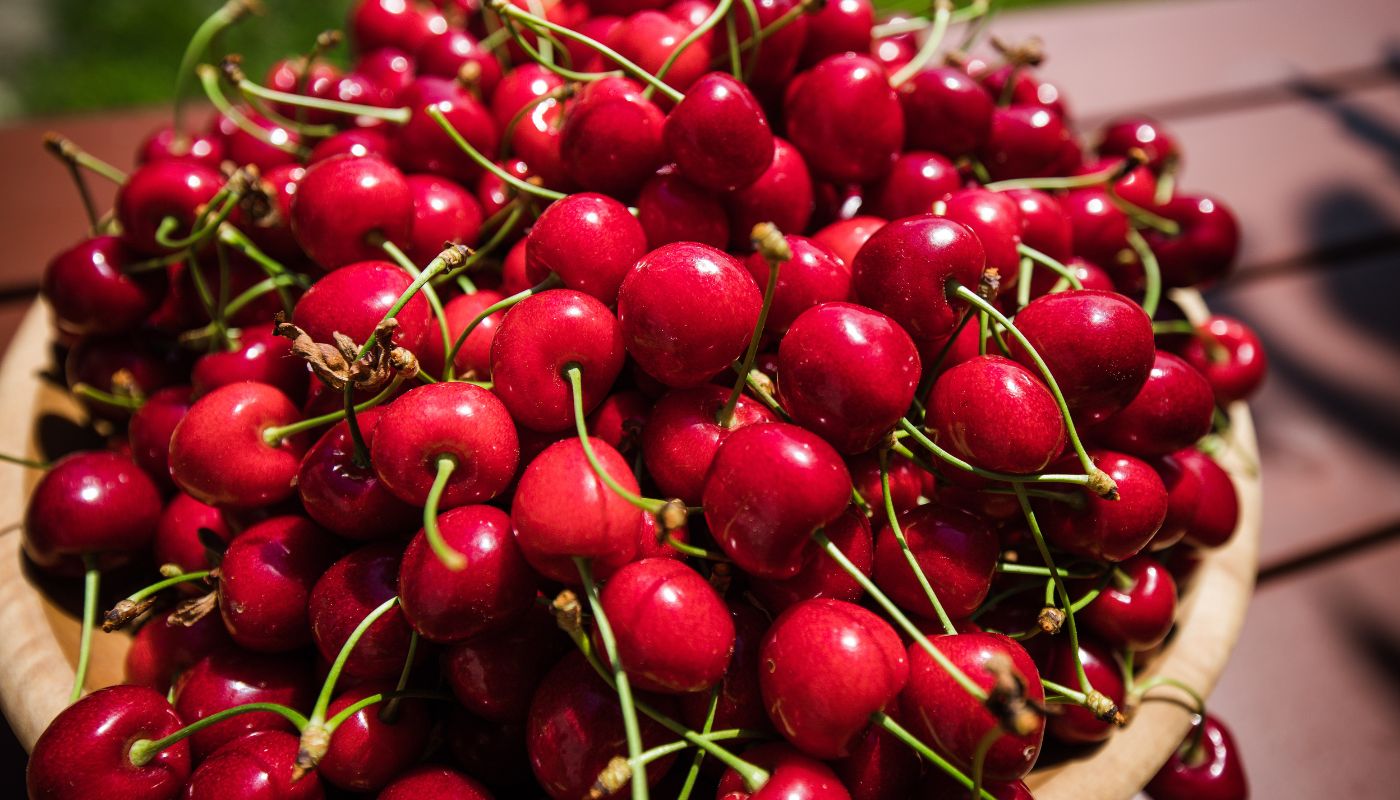
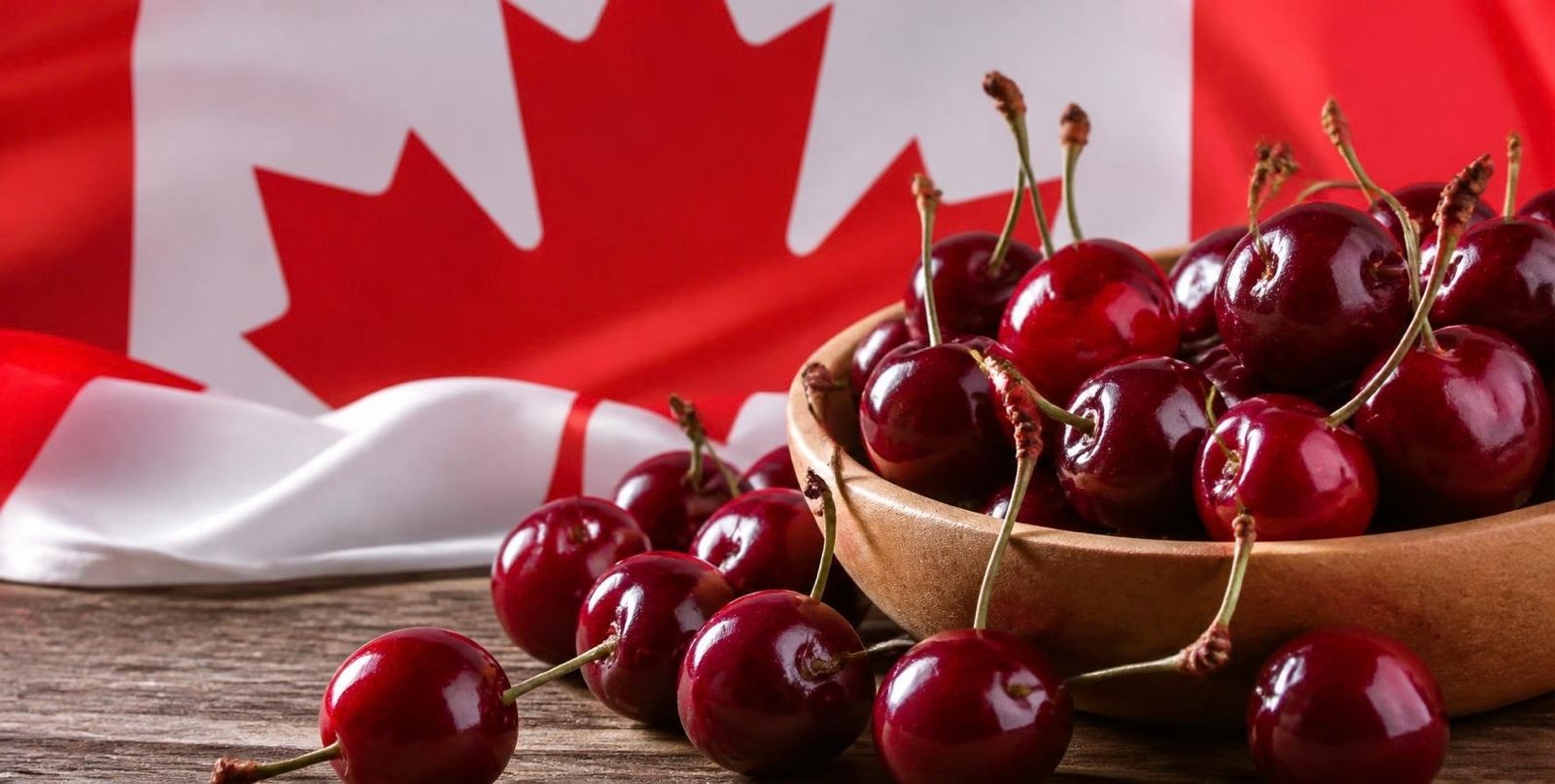
In this context of symbolism and renewal, the cherry has become one of the main protagonists of this celebration. The color red—predominant in decorations, clothing, and gifts—is directly associated with fortune, joy, and prosperity. Therefore, consuming and giving red foods during this time is a tradition that seeks to attract happiness and good fortune.
Due to its intense red color and sweet flavor, the cherry embodies these values and also represents renewal and hope, as the New Year marks the end of one cycle and the beginning of new opportunities. It is no coincidence that during these weeks the fruit becomes a premium gift, highly valued in markets and stores, where its presentation and quality are key, representing a strategic opportunity for Chile.
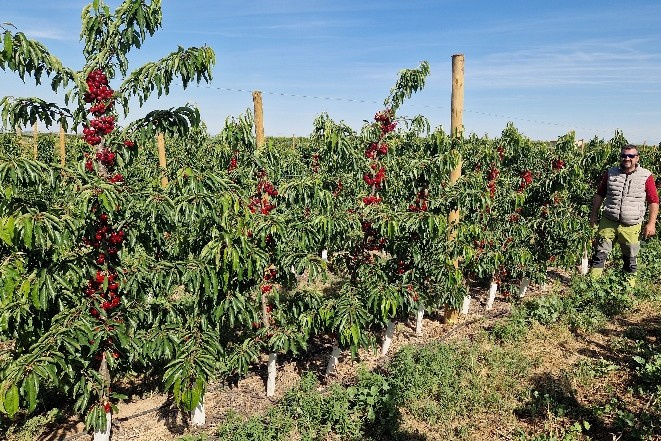
Furthermore, a seasonal coincidence has strengthened the link between cherries and the Asian market. The peak demand for this fruit coincides with the Southern Hemisphere’s production season, positioning our country as the world’s leading exporter of this fruit during this time.
In this way, the Chinese New Year not only opens a new cultural cycle for millions of people but also defines a strategic window for the fruit industry. The cherry ceases to be merely a fruit for consumption and becomes a symbol of celebration and good wishes.
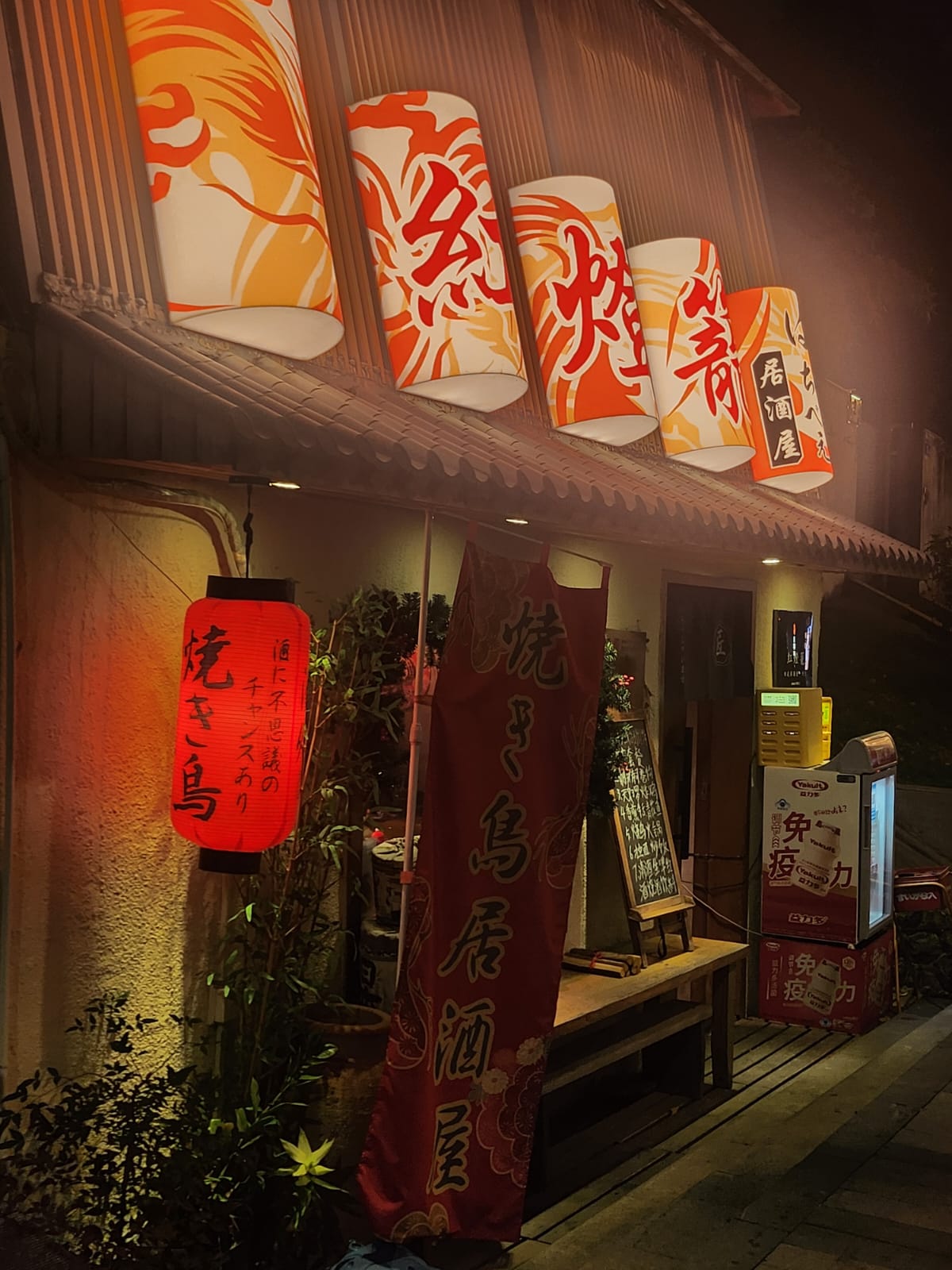
In 2026, under the energy of the Fire Horse, the scene will repeat itself: homes decorated in red and gold, families gathered, parades and lanterns illuminating the night, and cherries taking center stage on the table and in gift exchanges, as an emblem of fortune and hope for the coming year. This ritual is an opportunity to renew goals, strengthen family ties, and open oneself to new opportunities under the vibrant energy of the Horse.
The inclusion of elements like cherries demonstrates how tradition evolves, integrating new symbols that keep the spirit of prosperity and joy alive.
To learn more about the meaning of this celebration, we invite you to watch this video where Felipe de la Fuente, China Manager of QC Fruit, explains the difference between the Western calendar and the lunar calendar, which is used by the Asian giant, the traditions of this celebration, and much more.
View the content in Spanish.