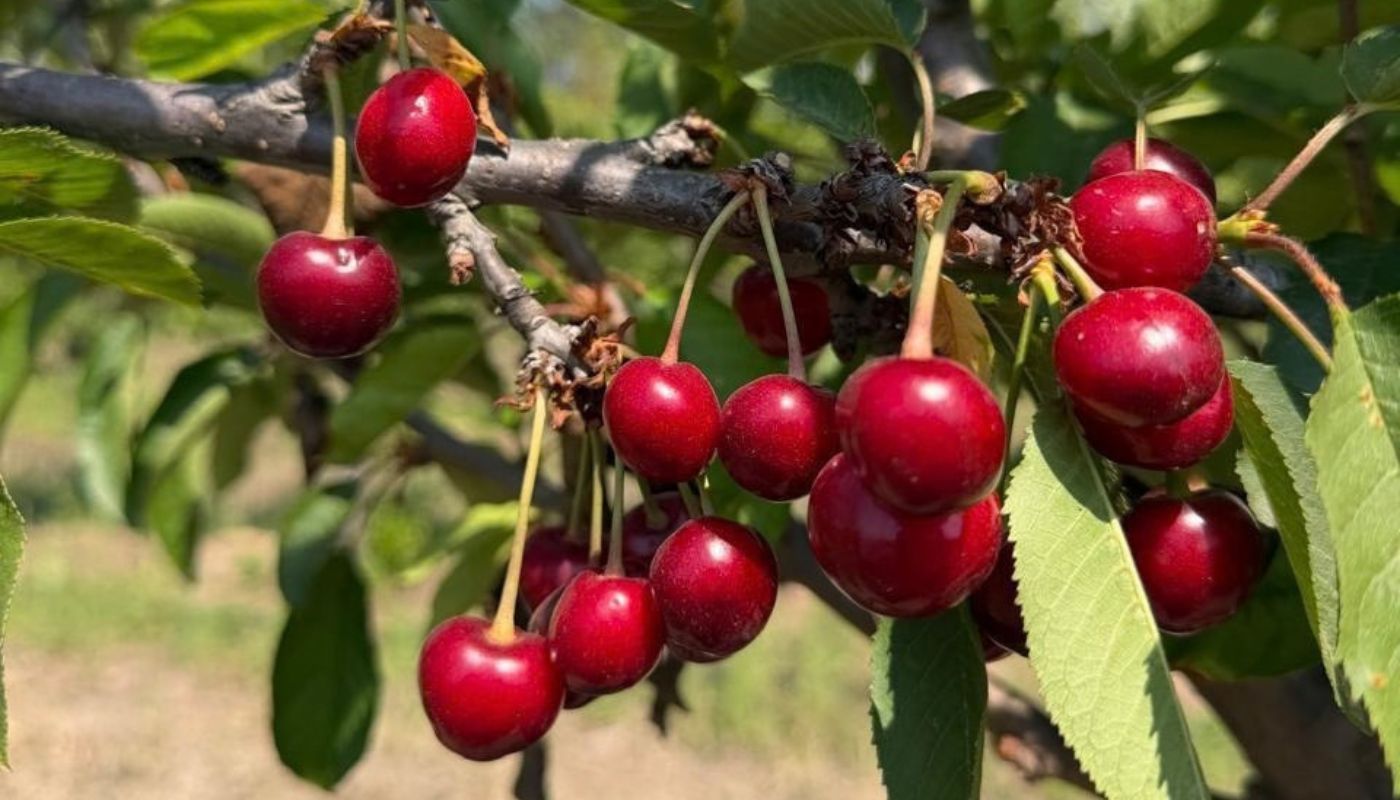

According to country brand HORTGRO, the sector’s expansion has been driven by varietal innovation and an increasingly defined commercial strategy. This shift has allowed the incorporation of new production areas, which have expanded more than fourfold—going from over 450 acres in 2012 to over 2,000 acres in 2024.
The organization said this growth reflects the permanent search by the South African cherry and deciduous fruit producers to diversify their offer and improve profitability, despite it being a high-risk crop. Along these lines, the development of low-chill cherry varieties has been key, allowing the expansion of the crop to warmer areas where production was not possible.
Currently, the Western Cape accounts for 61 percent of South African cherry plantations, consolidating itself as the nucleus of the industry. However, other regions are gaining prominence: Gauteng and the Northwest already account for 28 percent of the total area.
In contrast, the Free State has registered a decrease in its production due to increasingly unfavorable weather conditions.
Volumes, export, and challenges for South African cherries
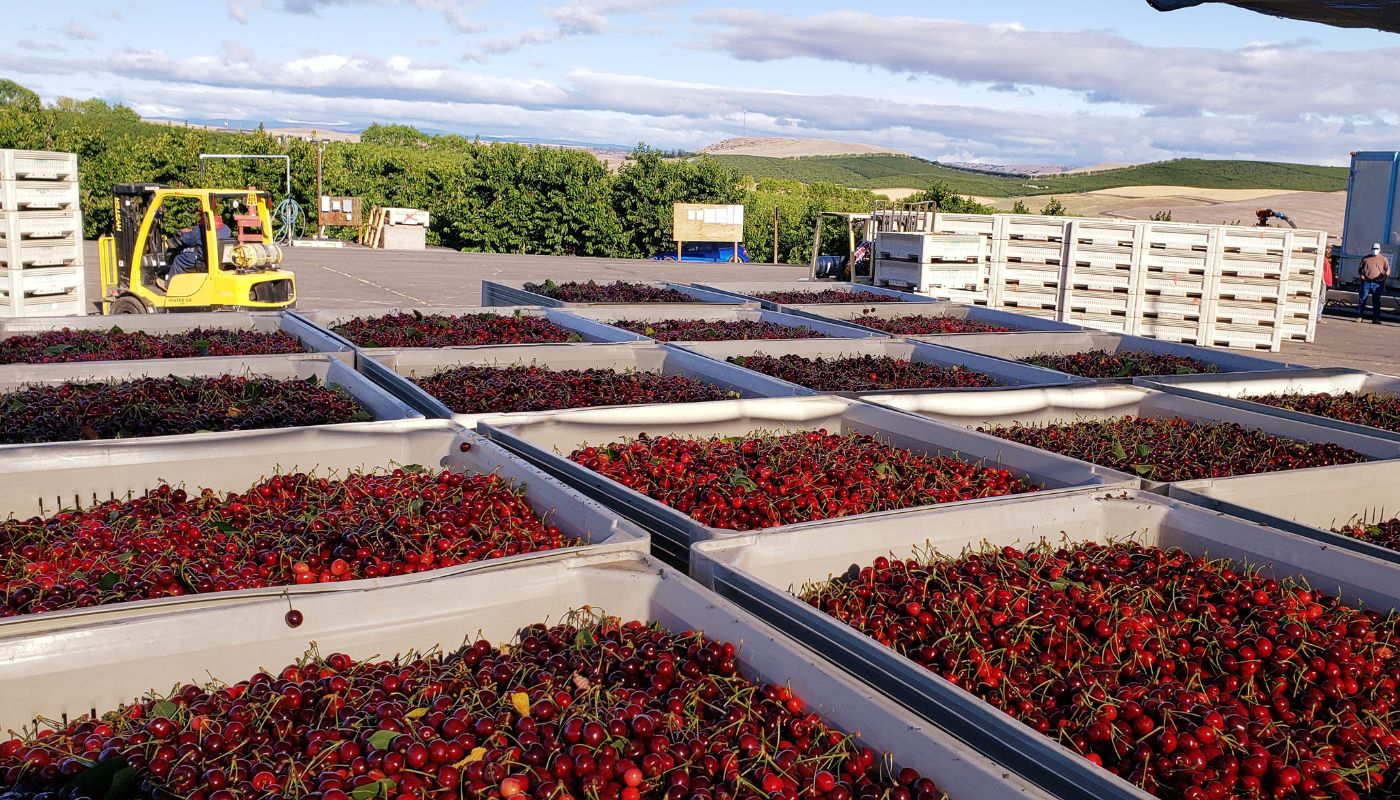
Despite the increase in volumes, the domestic market remains the main destination for production, absorbing nearly 60 percent of the total. The high perishability of the fruit and South Africa’s limited participation in global trade have reinforced this trend, according to HORTGRO.
However, exports have gained relevance in recent years, reaching an average of 37 percent of production during the last five-year period.
The South African cherry export window extends from week 40 to week 52, with its peak between weeks 46 and 48.
To ensure product quality and freshness, about 70 percent of shipments are carried out by air, mainly to the United Kingdom, the European Union, and the Middle East. In this scenario, access to new markets, especially China, is shaping up to be a key factor in sustaining future growth.
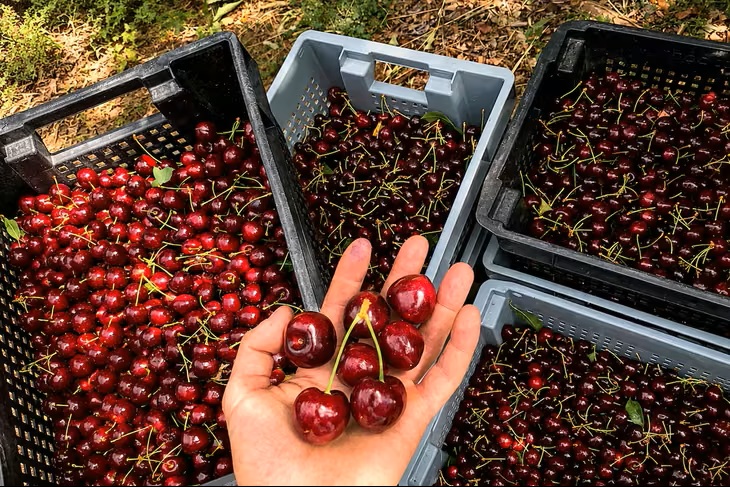
Projections indicate the industry could double its production over the next five years, as about 41 percent of orchards haven’t yet reached their full productivity. However, the challenge will be to manage growth while focusing on quality, as international markets demand calibers of 28 mm or more, which fetch the best prices.
The sector faces important challenges, especially in climate and logistics. Events such as hail, frost, or pre-harvest rains can lead to significant losses, prompting the use of protective nets and resulting in higher investment costs. The situation is compounded by the need for rapid post-harvest cooling and efficient logistics amid high temperatures during harvest.
Favorable points for the South African cherry industry
Currently, the South African cherry industry represents barely 0.1 percent of global production, far behind countries like Chile and the United States. However, HORTGRO emphasizes that its early production advantage allows it to enter the market before its main competitors, a key strategy to capture better prices.
In parallel, sectoral initiatives and government efforts to open new destinations aim to strengthen the competitiveness of an industry that is advancing steadily toward international consolidation.
Source: Portal Frutícola