

The breakthrough was developed by Ana Wünsch, from the Department of Plant Science at the Agrifood Research and Technology Centre of Aragon (CITA), and Afif Hedhly, a researcher at the ARAID Foundation at the Aula Dei Experimental Station (EEAD-CSIC).
CITA emphasized that this variety represents a key tool for agricultural research, as it will allow for further study of seasonal growth regulation and the adaptation of stone fruit trees to temperate climates, a growing challenge for the agricultural sector.
An evergreen cherry tree to expand cultivation areas
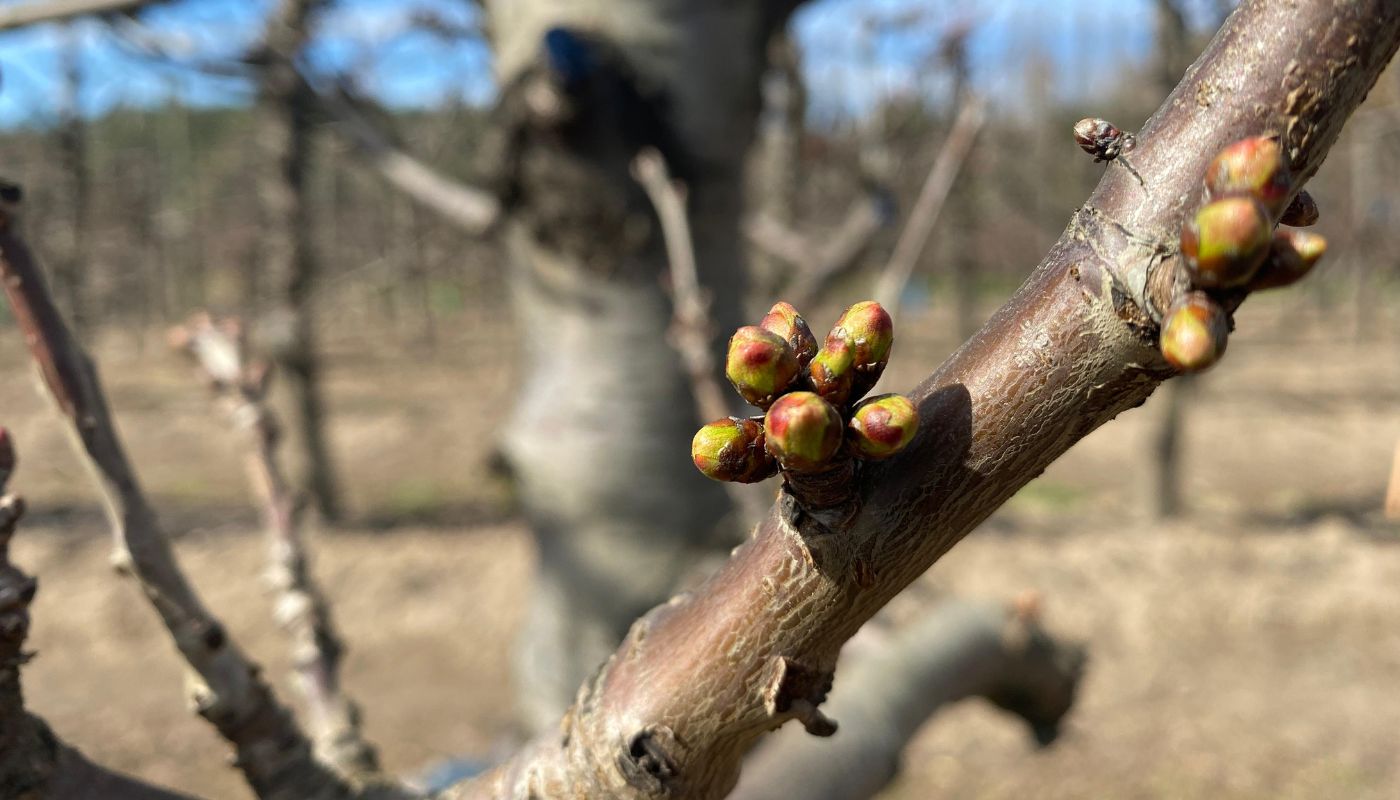
The cherry tree, like other stone fruit trees, requires winter chill to induce flowering and ensure production. However, the decrease in chilling hours associated with climate change is affecting productivity in various regions, driving the development of new adaptation strategies.
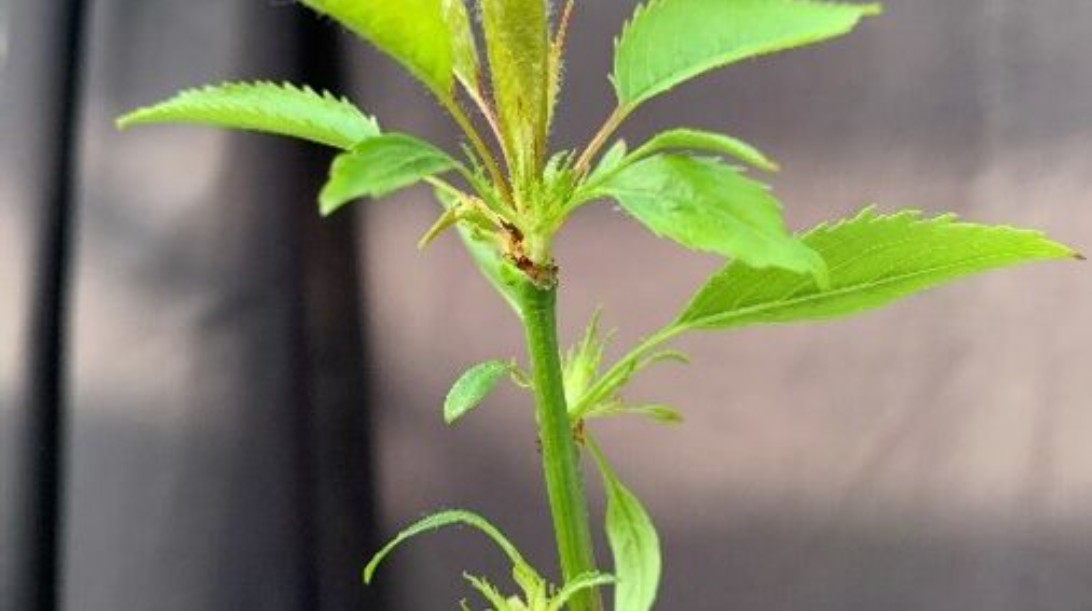
In this context, the evergreen cherry will allow researchers to study the genetic and molecular mechanisms that control winter dormancy, with the aim of advancing the development of varieties better adapted to warmer regions and expanding cultivation areas.
This material was obtained using traditional plant breeding techniques, after years of work in the research line led by Wünsch, with the support of field and laboratory teams, in collaboration with the EEAD-CSIC and the ARAID Foundation.
Currently, predoctoral researcher Nerea Martínez-Romera is working on the physiological and molecular characterization of the cherry as part of her doctoral thesis, within the framework of the CHERRY_BREED project, funded by the Spanish State Research Agency.
The initial presentation and characterization of this evergreen cherry tree was recently published in the scientific journal Frontiers in Plant Science, consolidating this development as a relevant contribution to fruit growing in the face of climate challenges.
Source: Portal Frutícola
Image inside: Courtesy of the Agri-Food Research and Technology Centre of Aragon.