
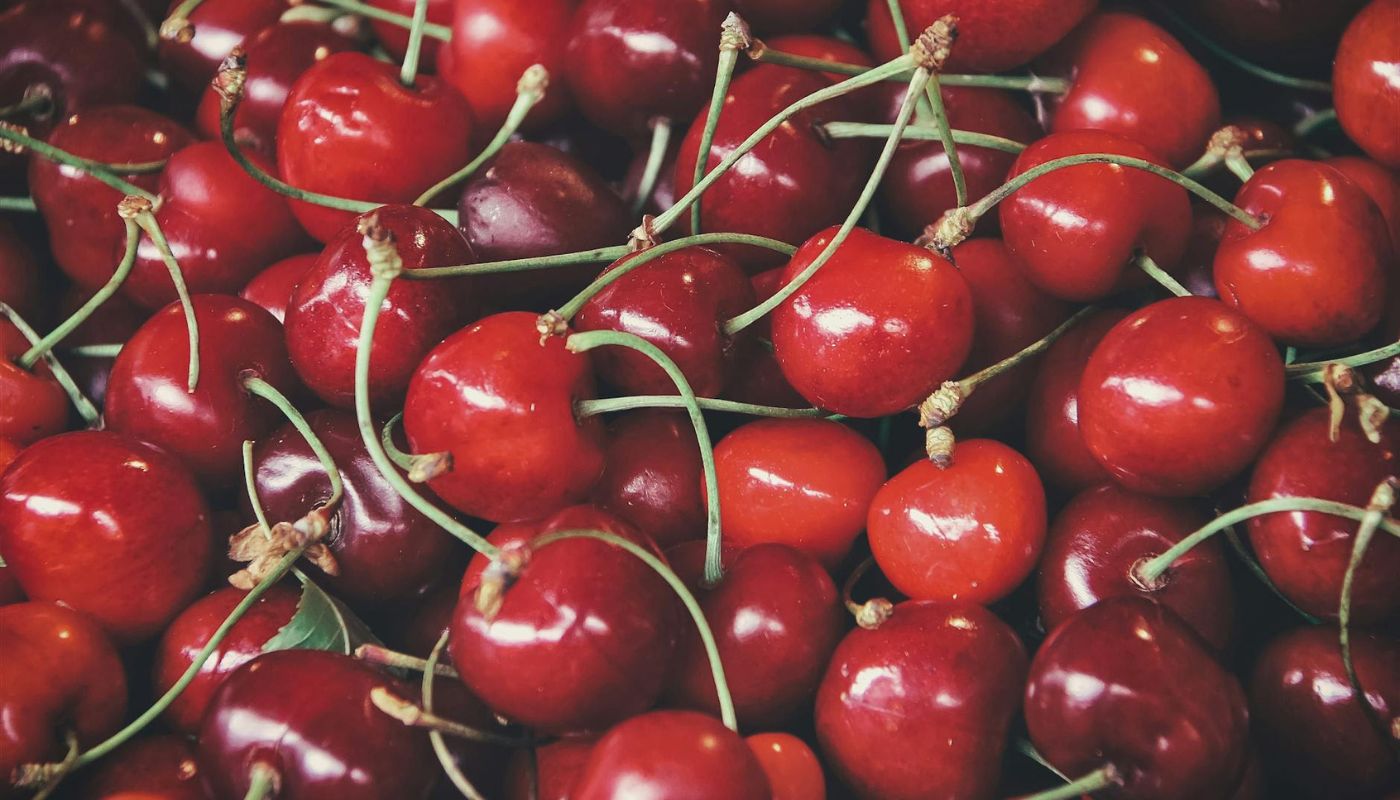
The embargo on US cherry imports to mainland China has caused an unexpected side effect: a veritable flood of fruit on the Hong Kong market, which has plunged prices to levels not seen in two decades.
At the Yau Ma Tei Wholesale Fruit Market, one of the city’s central fruit distribution hubs, cherries from Washington state are now selling for as little as 40 Hong Kong dollars per pound (approximately 88.18 HKD per kilogram), equivalent to 36.5 yuan per pound (80.46 yuan per kilogram). This figure represents a 20-year low, according to traders and distributors surveyed.
A sales representative from Kingo Fruit, one of the main importing companies in the territory, explained that the massive arrival of the product has boosted daily sales volumes. “During last year’s peak season, an average of 8,000 boxes of cherries were transported by air per day. This year, we have reached about 12,000 boxes per day”, he stated.
Despite the increase in supply, the market has not responded with the same strength in demand. Industry experts point out that the abundance of fruit has coincided with a weaker economic environment and subdued domestic consumption, which has prevented prices from stabilizing. The result: a drastic adjustment in wholesale prices.
In July 2024, a 5-kilogram box—equivalent to 11 pounds—of US cherries was priced at 400 Hong Kong dollars (364.5 yuan) on the wholesale market. Today, that same box sells for between 260 and 280 Hong Kong dollars (236.9 to 255.1 yuan), representing a drop of approximately 35% in just one year.
Foreign trade data support the magnitude of the phenomenon. According to official figures, the total value of fruit imported directly from the United States to Hong Kong increased by 118% in April, compared to the same month the previous year. However, the other side of the coin is that the value of fresh cherries re-exported from Hong Kong to mainland China plummeted by 72% year-on-year between February and April.
Cherry Restrictions
This decline is largely explained by restrictions imposed by Beijing on the entry of US cherries, a measure that is part of a broader scenario of trade tensions. Deprived of direct access to the region’s largest consumer market, exporters and distributors have concentrated their shipments in Hong Kong, which, while maintaining high logistics capacity, cannot absorb the same volume as mainland China.
For Hong Kong consumers, the situation represents an unusual opportunity. Cherries, traditionally considered a luxury product in the region due to their high prices and limited seasonality, have become a much more affordable fruit this summer. However, for producers and importers, the plummeting prices are hitting profit margins and straining storage and distribution capacities.
Yau Ma Tei traders point out that while some customers are buying more for home consumption, it is not enough to balance supply. “We can’t lower prices any further, but if the volume continues to come in at this rate, we will have to look for creative solutions, such as processing the fruit into juice or jam”, commented one distributor.
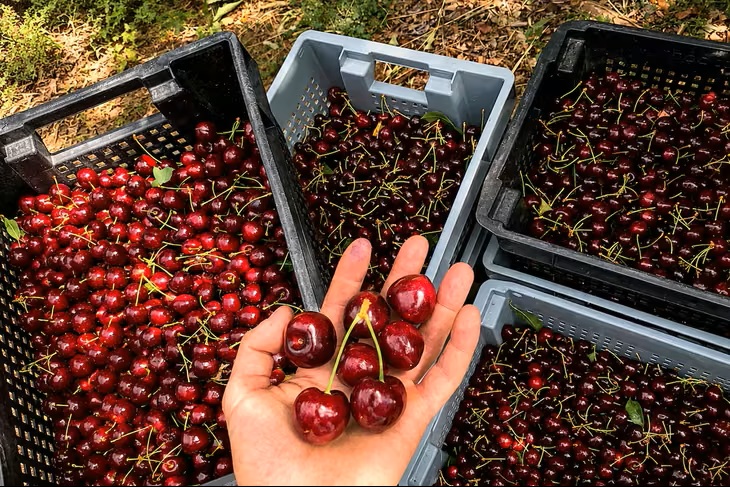
As the Washington cherry season enters its final stretch, the market remains expectant of any possible changes in trade relations between the United States and China that could alleviate the excess stock. For now, the picture at wholesale stands is clear: mountains of bright red boxes that, despite their excellent quality, are not finding a destination as quickly as they arrived.
Source: Más Producción