C. FILLING AND PACKING

C. FILLING AND PACKING

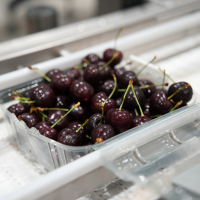
Now the cherries are nearing at the end of the line, where they are handled gently by TOMRA’s filling machines. These automated solutions can simultaneously pack different grades of fruit for different markets. The CURO filling system – available with 2, 8, 12, and 16 filling stations – delivers consistent, high-speed filling at precise weights, with the flexibility to easily switch between a wide range of packing options. TOMRA offers several different types of box filler to ensure accurate, high-volume filling and to accommodate a variety of box sizes and weights.

Productos/Servicios Relacionados

Cascade-Singulator
A. CHERRY CLUSTER SEPARATION

As the cherries arrive at the packhouse, TOMRA’s solutions start with infeed front-of-line loading systems. Then the company’s revolutionary Cascade Singulator separates cherry clusters with a gentle carrying method and superior cluster separation.

Cascade Singulator advantages

Whereas traditional cluster cutters push cherries at speed to blades, putting the fruit at risk of pitting and bruising, the Cascade Singulator reduces the cherries’ velocity by using a non-motorized water system that decelerates the water flow between each bank of separation. By improving separation location, at the knuckle where two cherries join, the cluster’s center is aligned to achieve clean and even separation without the risk of tearing the cherries. This also reduces maintenance costs and the operational hours usually needed by other systems for cleaning and adjusting the machine.

The first machine was sold in 2021 to Polehn Farms, one of the most important cherry producers in Oregon, USA. This prestigious family-owned company, which has been packing cherries since 1989, typically handles 2,000 tons of cherries per year. So far, they have processed a volume of 634 tons of cherries in the Cascade Singulator.

In the words of Ken Polehn, owner of Polehn Farms along with his wife, Liz: “We expected TOMRA Food’s new machine to reduce the maintenance requirements of the line, create a safer working environment, and reduce the mechanical damage that the fruit suffers. Undoubtedly, the Cascade Singulator fulfills all these objectives. The reduction of mechanical fruit damage is very important, better than we expected. The line has fewer clogs as we have eliminated bottlenecks in the production process. The machine is quieter, treats the product more delicately, and is safer to use than traditional blades. Cleaning a traditional cutter requires seven hours of labour per day, but the Cascade Singulator only needs one and a half. This machine represents a turning point and will revolutionize the cherry industry.”

InVision2-Totalview
B. SORTING AND GRADING

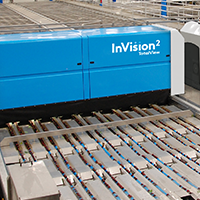
To optimize capacity when filling each lane, TOMRA’s unique dynamic lane balancing technology allows up to 10-15% more capacity (number of fruits) per lane than other systems. Next, the cherries move along the line for sorting and grading. TOMRA offers the Small Fruit Sorter (SFS) with InVision2 and TotalView Plus to accept, reject, or redirect the fruit for sale at a lower grade according to a wide range of criteria.

InVision2 with TotalView Plus is the only available inspection technology capable of viewing 100% of the fruit without blind spots and at full production speeds. Compared to other sorters, TotalView’s end-view cameras are located at lower inspection angles and closer to the fruit. Superior image quality improves the identification of nose cracks, stem bowl mildew, and suture splits. Additionally, the Small Fruit Sorter is gentler on the cherries than any other available technology available in the market, using a series of patented systems that transport the cherries in water all the way to the camera for inspection.

Our sorters advantages

Using TOMRA sorters results in superior size-grading accuracy for increased packout of premium packs; reduced giveaway; and greater sizing homogeneity. Efficiencies and packout returns are also enhanced by the rejected fruit having an exceptionally low good-in-bad ratio, typically as little as 2-4%.

Further efficiency gains are made through TOMRA’s point-and-click defect classification, which allows defects to be classified and product grades assigned according to customers’ tolerances. By mixing-in allowable defects, food waste is minimized and the value of each piece of fruit maximized. Defect classification also makes it possible to see packout by grade, to see which defects are resulting in the grades, and to provide feedback to suppliers to help improve future orchard management.